Abstract
End-stage renal disease (ESRD) is a clinically important adverse complication of multiple myeloma, yet haemodialysis-dependent patients are routinely excluded from pivotal B cell maturation antigen (BCMA)-directed CAR-T cell trials. The principal barrier is safe lymphodepletion, particularly fludarabine, in the setting of absent renal clearance, alongside the logistical complexity of fluid management during inflammatory toxicities. A 63-year-old male patient with lambda light-chain multiple myeloma and standard-risk cytogenetics developed haemodialysis-dependent renal failure after relapse and progressed through bortezomib–lenalidomide–dexamethasone, bortezomib–cyclophosphamide–dexamethasone, and daratumumab plus carfilzomib–pomalidomide–dexamethasone. Following multidisciplinary review, the patient received bridging with melphalan–prednisolone–thalidomide and then underwent a dialysis-synchronised lymphodepletion regimen comprising dose-reduced fludarabine (15 mg/m2/day) and capped-dose cyclophosphamide (500 mg/day) on Days −5 to −3. Haemodialysis was scheduled 12 hours after each lymphodepletion dose, with an additional session the day prior to infusion. This was followed by infusion of autologous anti-BCMA CAR-T cells (4-1BB co-stimulatory domain, 1×10⁶ cells/kg). Toxicities were limited to transient cytopenias, with no cytokine release syndrome or neurotoxicity; counts recovered promptly without growth factor support. The patient achieved a Day-30 partial response with a reduction in dialysis frequency to once weekly; however, extramedullary progression occurred at 3 months and is currently responding to salvage bispecific therapy. This case demonstrates the feasibility of anti-BCMA CAR-T cell therapy in a patient with myeloma, dependent on haemodialysis, using a 12-hour, dialysis-synchronised lymphodepletion approach.
Key Points
1. Haemodialysis-dependent patients with relapsed/refractory multiple myeloma are typically excluded from pivotal B cell maturation antigen (BCMA) CAR-T cell trials, creating a practical evidence gap. The key barrier is safe delivery of lymphodepletion, particularly fludarabine, in the absence of renal clearance, alongside the complexity of dialysis and fluid management during potential inflammatory toxicities.2. This case report describes a 63-year-old individual with lambda light-chain multiple myeloma and end-stage renal disease on maintenance haemodialysis who received anti-BCMA CAR-T cells. A protocolised dialysis-synchronised lymphodepletion regimen was used: fludarabine 15 mg/m²/day with capped cyclophosphamide 500 mg/day on Days −5 to −3, with haemodialysis scheduled 12 hours after each dose.
3. With multidisciplinary planning and dialysis-timed lymphodepletion, anti-BCMA CAR-T cell therapy was delivered without cytokine release syndrome or immune effector cell-associated neurotoxicity syndrome, and with early clinical benefit. At Day 30, the patient met International Myeloma Working Group (IMWG) criteria for partial response, with improved involved free light chains and reduced dialysis frequency, supporting dialysis dependence as a manageable logistical and pharmacokinetics issue rather than an absolute contraindication in selected cases.
INTRODUCTION
Renal impairment remains a defining and prognostically adverse complication of multiple myeloma, and up to half the patients have renal impairment at presentation, with a minority ultimately requiring dialysis.1 Patients with relapsed/refractory disease who are dialysis-dependent frequently have limited therapeutic latitude, because comorbidity, frailty, and pharmacokinetic constraints restrict delivery of intensive regimens.1
B cell maturation antigen (BCMA)-directed CAR-T cell therapy has established substantial activity in heavily pretreated myeloma, but pivotal clinical trials have largely required preserved renal function, thereby constraining generalisability to the very population in whom unmet need is most conspicuous.1-3 In particular, creatinine clearance thresholds (e.g., 45 mL/min in KarMMa) have systematically excluded patients with severe renal impairment, leaving clinicians to extrapolate from limited post-marketing data.1-3
The principal barrier in end-stage renal disease is not the CAR-T cell product itself, but the safe delivery of lymphodepletion, especially fludarabine, given renal clearance of its active metabolite and the attendant concern for delayed and potentially catastrophic neurotoxicity.3,4 In addition, haemodynamic fragility, heightened infection risk (including vascular-access related), and the complexity of fluid management during inflammatory toxicities can render standard supportive pathways less forgiving.1,4
Published experience in dialysis-dependent patients remains confined to small series and case reports employing heterogeneous lymphodepletion modifications and dialysis timing, including strategies that omit fludarabine altogether or schedule haemodialysis approximately 12 hours after dosing.4-8 Against this backdrop, this first report from India describes the feasibility of anti-BCMA CAR-T cell therapy in a haemodialysis-dependent patient using a dialysis-synchronised lymphodepletion approach aligned to emerging real-world practice patterns.4,8
CASE PRESENTATION
A 63-year-old male patient was referred to the authors’ centre for consideration of cellular therapy. The patient had been diagnosed 21 months before the visit with lambda light-chain multiple myeloma, with baseline standard-risk cytogenetics and staging imaging showing extensive skeletal involvement with fluorodeoxyglucose-avid rib and vertebral lesions. There was no relevant family history; psychosocial history was unremarkable.
The patient received first-line VRD (bortezomib, lenalidomide, and dexamethasone) for six cycles, achieving a very good partial response. Ten months before visiting the authors’ centre, there was an aggressive disease relapse complicated by acute kidney injury, with creatinine rising to 911 µmol/L, necessitating the institution of twice-weekly maintenance haemodialysis. Prior to referral to the authors’ tertiary centre, the patient was managed by a community oncologist. During this period, salvage therapies were unsuccessful, including bortezomib–dexamethasone and VCD (bortezomib, cyclophosphamide, dexamethasone), followed by daratumumab–KPD (daratumumab, carfilzomib, pomalidomide, dexamethasone), which produced only a transient response before rapid progression 1 month before visiting the authors’ centre. In the context of disease refractory to the three principal drug classes (proteasome inhibitors, immunomodulatory agents, and anti-CD38 monoclonal antibody therapy), and with preserved functional status despite dialysis dependence, the patient was evaluated for anti-BCMA CAR-T cell therapy. Due to the prohibitive costs and lack of regulatory approval for imported, commercially available FDA-approved products in India, an affordable institutional-partnered anti-BCMA CAR-T cell product (4-1BB co-stimulatory domain) was utilised. This was administered under a named-patient basis following extensive patient counselling and regulatory approval. A brief therapeutic timeline is summarised in (Table 1).
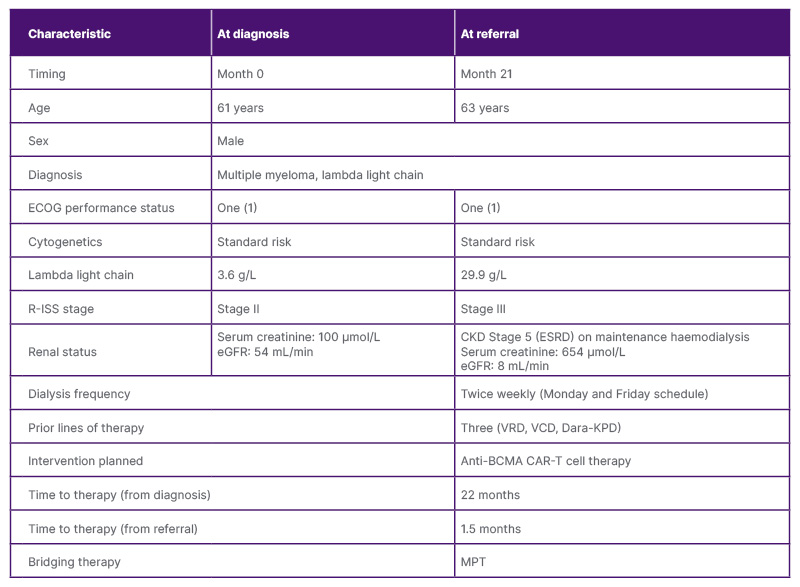
Table 1: Baseline patient characteristics.
Patient snapshot at time of CAR-T therapy.
BCMA: B cell maturation antigen; CKD: chronic kidney disease; Dara-KPD: daratumumab, carfilzomib, pomalidomide, dexamethasone; ECOG: Eastern Cooperative Oncology Group; eGFR: estimated GFR by Cockcroft-Gault equation in adults; ESRD: end-stage renal disease; MPT: melphalan, prednisolone, thalidomide; R-ISS: Revised International Staging System; VCD: bortezomib, cyclophosphamide, dexamethasone; VRD: bortezomib, lenalidomide, dexamethasone.
Clinical data were collected prospectively as part of routine care; toxicities were graded according to the American Society for Transplantation and Cellular Therapy (ASTCT) criteria and response according to International Myeloma Working Group (IMWG) definitions.
Baseline Assessment and Optimisation
At referral, the dominant reported symptom was bone pain, with an Eastern Cooperative Oncology Group (ECOG) performance status one. The clinical examination revealed no focal neurological deficit or active infection, and a euvolaemic state. Pain and tenderness were noted in the left lower ribs. Dialysis dependence persisted (twice weekly), with pre-dialysis creatinine 654 µmol/L (estimated glomerular filtration rate: 8 mL/min), haemoglobin 109 g/L, and platelet count 145×109 /L. Baseline diagnostic work-up included PET/CT confirming fluorodeoxyglucose-avid osseous disease and marrow evaluation consistent with light-chain myeloma. Staging at referral was International Staging System (ISS) Stage III. Relevant baseline parameters for prognosis and eligibility included albumin 40 g/L, β2-microglobulin 46.9 mg/L, and calcium 2.94 mmol/L. Also noted was marked hypogammaglobulinaemia (IgG: 2.8 g/L).
The case was reviewed in a multidisciplinary forum incorporating haemato-oncology, cellular therapy, nephrology, and critical care, and the patient was deemed suitable to proceed, contingent upon proactive risk mitigation and coordinated renal replacement planning. In order to reduce tumour burden ahead of infusion (and thereby attenuate the risk of clinically consequential inflammatory toxicity in an anuric patient), bridging therapy with melphalan–prednisolone–thalidomide (MPT) was administered for 22 days starting from the time the patient was referred to the authors’ centre. A contemporaneous medication reconciliation was undertaken to minimise foreseeable peri-infusion complications: apixaban was discontinued in anticipation of thrombocytopenia, and prophylactic sulphonamides were withheld to facilitate marrow recovery. Given baseline hypogammaglobulinaemia, intravenous immunoglobulin 25 g was administered prior to CAR-T cell infusion as infection prophylaxis.
Dialysis-Synchronised Lymphodepletion
Lymphodepletion was recognised as the principal pharmacological challenge in end-stage renal disease, as standard protocols commonly employ fludarabine and cyclophosphamide, and fludarabine exposure is materially influenced by renal clearance. Accordingly, a dialysis-synchronised regimen was implemented (as per the institutional protocol detailed in (Table 1)).
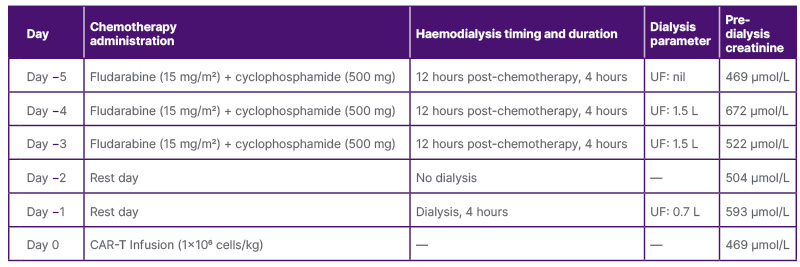
Table 2: Modified lymphodepletion protocol synchronised with haemodialysis.
This table illustrates the specific 12-hour rule used to manage pharmacokinetics.
Fludarabine dose was reduced by 50% (standard 30 mg/m2 -> 15 mg/m2) to account for renal clearance. Cyclophosphamide dose was capped at 500 mg.
UF: ultrafiltration volume.
Fludarabine was dose-reduced to 15 mg/m2/day (50% reduction), and cyclophosphamide was capped at 500 mg/day, with the intention of preserving lymphodepletion intensity while mitigating risk of metabolite accumulation. Chemotherapy was administered on Days −5, −4, and −3, with haemodialysis scheduled precisely 12 hours after completion of each chemotherapy infusion, and an additional dialysis session was performed the day prior to CAR-T cell infusion. This timing was selected to permit drug distribution and intracellular uptake before mechanical clearance of circulating drug, thereby balancing pharmacodynamic effect against toxicity risk in the absence of renal excretion.
Lymphodepletion was tolerated with only mild nausea (Grade 1) and fatigue, and no immediate neurological toxicity was observed.
CAR-T Cell Infusion and Early Course
On Day 0, an autologous anti-BCMA CAR-T cell product (second-generation construct with 4-1BB co-stimulatory domain) was administered at a dose of 1×10⁶ cells/kg. Toxicities were prospectively graded using ASTCT consensus criteria for cytokine release syndrome (CRS) and immune effector cell-associated neurotoxicity syndrome (ICANS). No fever, hypotension, or hypoxia occurred, consistent with CRS Grade 0, and tocilizumab was not required. Neurological surveillance remained unremarkable with daily ICE scores of 10/10 throughout admission, consistent with ICANS Grade 0.
Post-infusion dialysis was continued twice weekly, with conservative ultrafiltration targets (0–1.5 L) to avoid haemodynamic instability. Expected cytopenias were observed: Grade 4 neutropenia (ANC <0.5×10⁹ /L) by Day 4, followed by brisk recovery to an ANC of 1.5×10⁹ /L by Day 11, without requirement for granulocyte colony-stimulating factor. Platelet recovery was similarly prompt, reaching 233×109 /L by Day 11, and thrombopoietin agonists were not required.
Response Assessment
At Day 30, the patient demonstrated a clinically meaningful response. Dialysis frequency was reduced from twice weekly to once weekly (outpatient schedule), the involved lambda free light chains fell from 29.9 g/L to 14.0 g/L with improvement in the free light chain ratio, and improvement in quality of life was reported with reduced bone pain and enhanced functional capacity. Bone marrow evaluation demonstrated a normocellular marrow without overt plasma cell infiltration. A partial response was achieved per International Myeloma Working Group criteria based on >50% reduction in involved free light chains. Regarding long-term follow-up, the patient maintained clinical stability until 4 months after initial presentation to the author’s centre. He subsequently presented with scalp swelling, and extensive investigation confirmed extramedullary disease. The patient is currently undergoing salvage therapy with daratumumab and teclistamab, yielding clinical resolution of the extramedullary lesions (with formal radiological confirmation pending). This highlights the ongoing challenge of durable control in high-risk extramedullary disease.
DISCUSSION
Dialysis dependence has historically functioned as a de facto exclusion criterion for BCMA CAR-T cell therapy, yet accumulating real-world evidence suggests feasibility when lymphodepletion and renal replacement therapy are coordinated deliberately.3,4,8 Notably, reported dialysis-dependent experiences span (i) cyclophosphamide-only lymphodepletion with ide-cel, (ii) dose-reduced fludarabine with timed haemodialysis, and (iii) bendamustine-based alternatives during fludarabine constraints, underscoring institutional variability rather than a single accepted standard.4,5,8
Fludarabine-associated neurotoxicity is the dominant pharmacologic concern in kidney failure, with risk heightened by impaired renal clearance and cumulative exposure, and published dialysis-dependent protocols therefore range from omission of fludarabine to 50% dose reduction with high-flux haemodialysis timed after administration.3,4 The “12-hour haemodialysis” strategy, used in prior dialysis-dependent CAR-T experiences, seeks to preserve sufficient distribution and intracellular pharmacodynamic effect while mitigating prolonged systemic exposure before the next dose.4,6,8
In this patient, dialysis-synchronised lymphodepletion (dose-reduced fludarabine with optimised cyclophosphamide, with haemodialysis scheduled 12 hours after chemotherapy) was followed by an uncomplicated post-infusion course without CRS or ICANS and with prompt count recovery. The absence of inflammatory toxicities contrasts with rates observed in pivotal ide-cel experience (in which CRS was common), suggesting that individual tumour burden, bridging, and host factors may substantially modulate risk and may be particularly relevant when fluid shifts are clinically consequential.2
Published dialysis-dependent anti-BCMA reports document favourable early outcomes with both ide-cel and cilta-cel, including cases with no CRS/ICANS and others with low-grade CRS, supporting the contention that dialysis dependence alone should not be considered an absolute contraindication.4,5,8 However, the Swamy et al.8 series also highlights that significant immune toxicities (including ICANS and IEC-HS) and prolonged cytopenias can occur in this population, likely reflecting aggressive disease biology and/or inflammatory susceptibility, mandating heightened vigilance and pre-emptive supportive planning.8
Strengths of this report include a protocolised dialysis-synchronised lymphodepletion schedule with objective toxicity grading (ASTCT) and response assessment (IMWG). Limitations include single-patient report, short follow-up, and absence of pharmacokinetic sampling, limiting generalisability and mechanistic inference regarding the absence of CRS/ICANS.
From an operational standpoint, this case supports a multidisciplinary, protocolised pathway in which nephrology and cellular therapy teams pre-specify (i) lymphodepletion dose adjustments, (ii) haemodialysis timing and prescription, and (iii) thresholds for escalation of monitoring and haemodynamic support.4,8 Prospective registries capturing dialysis timing, dialyser characteristics, cytopenia kinetics, and late neurotoxicity are now required to move practice from anecdote to reproducible guidance, particularly in settings where access is expanding but trial-based evidence remains sparse.3,4,8
Patient Perspective
The patient described the period after relapse and commencement of haemodialysis as disruptive, with persistent fatigue and concern that options were narrowing. Proceeding to CAR-T cell therapy was described as being accompanied by anxiety regarding risks, but also a sense of renewed direction. Following treatment, the patient perceived improvement in day-to-day functioning, particularly reduced pain and greater confidence with routine activities, and regarded the reduction in dialysis frequency as a meaningful practical benefit. Following the subsequent presentation of extramedullary disease, the patient reported understanding the necessity of ongoing salvage therapy and remains compliant with the daratumumab and teclistamab regimen.
CONCLUSION
This case demonstrates that anti-BCMA CAR-T cell therapy can be delivered safely in a haemodialysis-dependent patient with relapsed/refractory multiple myeloma when lymphodepletion is deliberately individualised, and dialysis is operationally co-ordinated. A dialysis-synchronised approach, here employing dose-reduced fludarabine with timed haemodialysis 12 hours after each lymphodepletion dose, was associated with absence of CRS/ICANS, rapid haematological recovery, and early objective disease response with reduced dialysis requirements. In settings where trial evidence remains limited due to systematic exclusion of severe renal impairment, such protocolised multidisciplinary pathways may broaden access while maintaining safety, but prospective registry capture of dosing, dialysis prescription, and late toxicity remains essential to refine reproducible guidance.