Key Summary:
- Two major Andes virus lineages were identified across Chile.
- No viral mutations consistently predicted severe disease.
- Findings support expanded genomic surveillance in endemic regions.
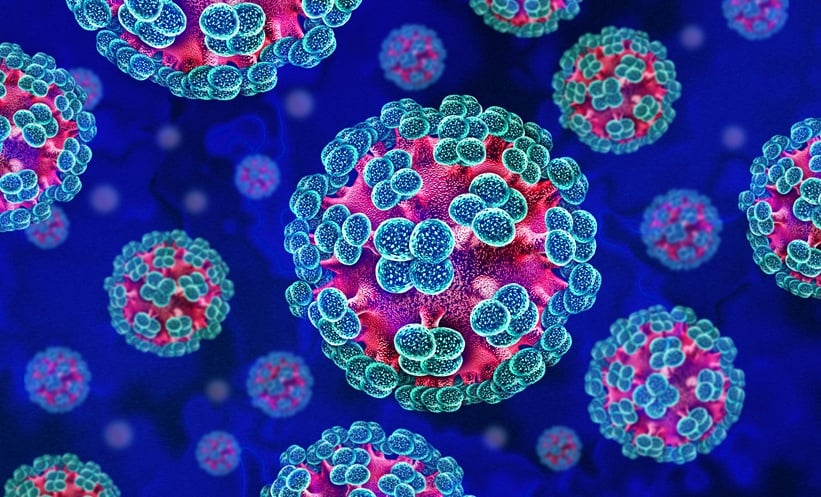
The first nationwide genomic analysis of human-derived Andes virus (ANDV) in Chile has revealed two geographically distinct viral lineages while finding no consistent genetic signatures associated with severe disease or person-to-person transmission. The findings, published in The Lancet Regional Health – Americas, provide new insights into the evolution and spread of the virus and highlight the importance of continued genomic surveillance.
ANDV is unique among hantaviruses because it is the only known species capable of transmitting between humans. It causes hantavirus cardiopulmonary syndrome (HCPS), a severe disease characterised by rapid respiratory failure and high mortality. Although Chile reports cases annually, the virus’s genetic diversity has remained poorly understood.
Researchers conducted a retrospective genomic epidemiology study using clinical samples collected from patients with confirmed ANDV infection between 2011 and 2024.
The team analysed samples from 58 individuals, generating full genomic sequences for the virus’s three genome segments (S, M, and L). Phylogenetic analyses and genetic variant mapping were then used to investigate viral diversity, geographical distribution, and potential links between viral genetics and clinical outcomes.
The study represents the most comprehensive genomic characterisation of human-derived ANDV conducted in Chile to date.
Analysis revealed two major ANDV variants with clear geographical separation.
One lineage, designated ANDV Chi-North, was found predominantly in central Chile, while ANDV-South circulated mainly in southern regions of the country.
Each lineage displayed characteristic patterns of genetic variation across all three viral genome segments, suggesting that Andes virus has diversified over time according to geography rather than spreading as a genetically uniform virus nationwide.
The researchers found that the Chi-North lineage remained genetically distinct despite sharing some mutations previously reported in related hantaviruses.
Despite identifying substantial regional genetic diversity, the researchers found no evidence that viral genetics alone explained why some patients developed more severe disease.
The analysis did not identify consistent non-synonymous mutations associated with clinical severity, and viruses isolated from patients with severe disease did not cluster together genetically.
Similarly, mutations previously linked to person-to-person transmission during outbreaks in Argentina were not consistently detected in Chilean samples, including viruses obtained from four documented human transmission events.
These findings suggest that factors such as host immune responses, environmental influences, or exposure characteristics may play a greater role than viral genetic variation in determining disease severity and transmission.
The authors conclude that Andes virus diversity in Chile is shaped primarily by regional evolution rather than differences in clinical presentation.
They suggest that integrating genomic sequencing into routine surveillance could improve understanding of virus circulation and support outbreak investigations in endemic areas. Continued nationwide monitoring may also help detect the emergence of new viral variants and provide a stronger evidence base for future public health responses to hantavirus infections.
While the study advances knowledge of Andes virus evolution, the researchers emphasise that further work combining viral genomics with clinical and epidemiological data will be needed to better understand the drivers of severe disease and human-to-human transmission.
Reference
Ramos H E et al. First nationwide full-genome characterisation of human-derived Andes virus in Chile: a retrospective genomic epidemiology study The Lancet Microbe, 2026; DOI: 10.1016/j.lanmic.2026.101454,
Each article is made available under the terms of the Creative Commons Attribution-Non Commercial 4.0 License.