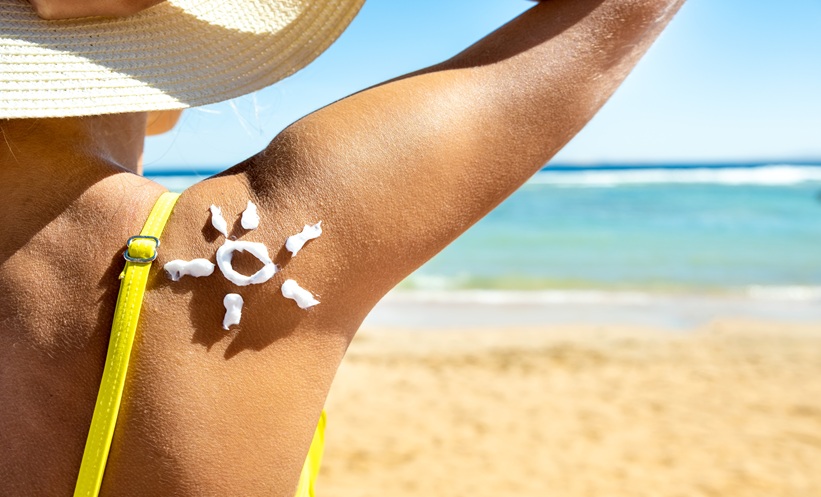
INTENTIONAL outdoor tanning remained common among US adults in a large national study, with younger women showing the highest prevalence and individuals who intentionally tanned experiencing significantly higher rates of sunburn.
National Survey Highlighted Outdoor Tanning Prevalence
Researchers analysed data from 31,615 adults who participated in the 2024 National Health Interview Survey to assess the prevalence of intentional outdoor tanning and identify factors associated with this behaviour. Participants, who had a mean age of 48.3 years, were asked how often they intentionally spent time outdoors to develop a tan and whether they had experienced sunburn during the previous 12 months.
Overall, the unadjusted prevalence of intentional outdoor tanning was 30.2%. Women reported higher rates than men, with prevalence reaching 35.6% (95% CI:34.6–36.7%) among women and 26.6% (95% CI:25.6–27.7%) among men. The highest prevalence was observed in women aged 18–29 years, where 48.1% (95% CI:45.3–50.9%) reported intentional outdoor tanning. Among men aged 18–29 years, prevalence was 29.9% (95% CI:27.4–32.6%).
Behavioural Factors Were Associated with Tanning
Several demographic and behavioural factors were associated with intentional outdoor tanning in both women and men. Higher prevalence was observed among non Hispanic White adults, those with differing levels of sun sensitivity, individuals meeting both aerobic and strength based physical activity guidelines, and those reporting heavy or binge drinking (P<0.001 for all).
Among women, intentional outdoor tanning was also associated with educational level and body mass index. Prevalence was highest among women with some college education at 37.5% (95% CI:35.8–39.3%) and among those with a healthy weight at 38.7% (95% CI:37.0–40.5%; P<0.001 for all). Among men, marital status was associated with tanning behaviour, with married or partnered men reporting the highest prevalence at 25.8% (95% CI:24.5–27.1%; P=0.04).
Sunburn More Common Among Those Who Tanned
The study also identified a strong association between intentional outdoor tanning and sunburn. Nearly half of adults who intentionally tanned reported experiencing sunburn during the previous 12 months, compared with just over one quarter of those who did not intentionally tan. The prevalence of sunburn was 49.9% (95% CI:48.5–51.4%) among adults who intentionally tanned compared with 28.3% (95% CI:27.4–29.3%) among those who did not (P<0.001).
The findings indicated that intentional outdoor tanning remained a common behaviour, particularly among younger women, and was associated with a greater likelihood of sunburn. Researchers suggested these data could help inform future skin cancer prevention strategies by identifying demographic and behavioural groups that may benefit from targeted public health interventions aimed at reducing intentional outdoor tanning.
Reference
Holman DM et al. Prevalence and associated factors of intentional outdoor tanning among US adults. JAMA Dermatol. 2026;DOI: 10.1001/jamadermatol.2026.2450.
Featured image: bilanol on Adobe Stock