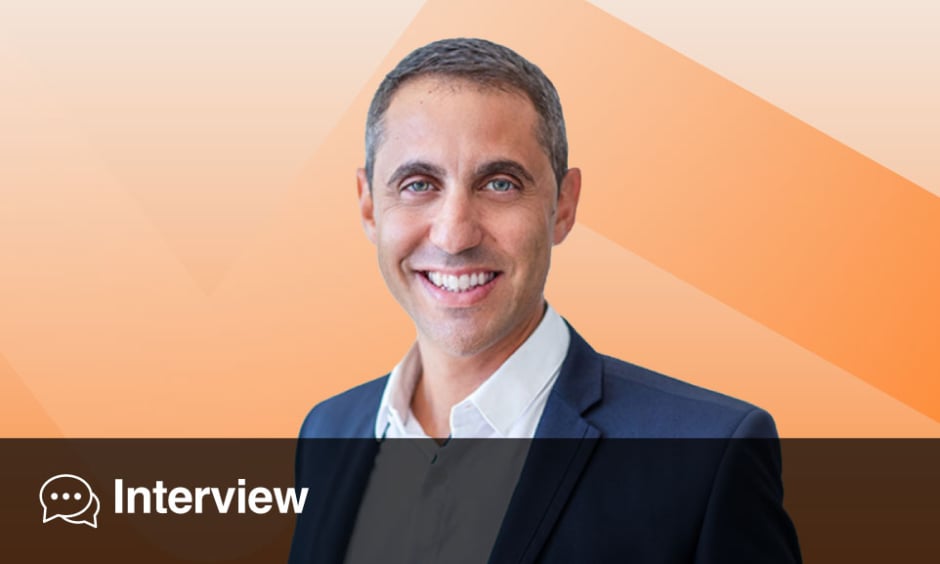
Olivier Alenda: Department of Urology, Polyclinique Les Fleurs, Elsan Group, Ollioules; Faculty Member, IRCAD, Strasbourg, France; Board Member, French Association of Urology (AFU); Treasurer, French National Council of Urology Professionals (CNP Urology); President, UroPACA Uro-Oncology Meeting (UROPACA)
Citation: EMJ Urol. 2026;14[Suppl 1]:17-19. https://doi.org/10.33590/emjurol/T5870N9H

Robotic surgery has become an established part of urological practice. Looking back over your career, what do you think has been the most significant change in the way robotic surgery is performed?
If I had to pinpoint the single most critical factor, it is the sheer magnificence of 3D visualisation. This unprecedented clarity allowed us to go far beyond mere precise dissection; it granted us a near-microscopic understanding of anatomy. For radical prostatectomies, this was a complete game changer. It is these fine anatomical details, now clearly visible, that have allowed me to achieve exceptional functional outcomes both in terms of early continence and, crucially, the preservation of sexual function.
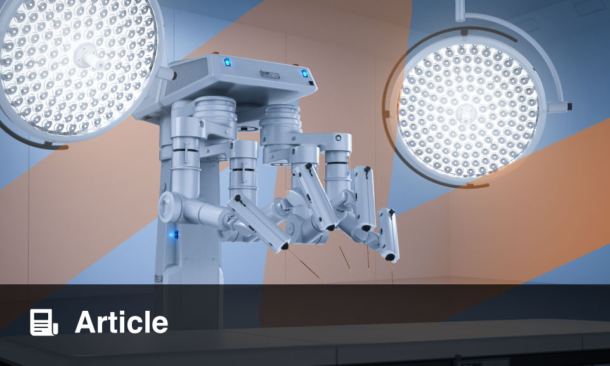
Beyond visualisation, entire operational efficiency has shifted. The ergonomics of the modern console combined with increasingly advanced and precise instruments drastically reduce both physical and cognitive fatigue for the surgeon. This allows us to perform a high volume of complex cases back-to-back in a single day with maximum consistency and safety. Today, this technological trajectory shows no signs of slowing down; the arrival of single-port platforms and the progressive integration of AI are simply continuing this journey towards ultimate precision and efficiency.
What distinguishes a truly exceptional robotic surgeon from one who is simply technically proficient?
Technical proficiency involves knowing how to use the console, but an exceptional robotic surgeon understands that expertise is defined by the ability to lead a team and by operational efficiency. Being an expert means knowing how to surround oneself with a close-knit team to ensure the patient’s absolute safety and the smooth running of operations. It is about putting the ‘cockpit philosophy’ into practice: perfecting the docking process, streamlining the rotation of operating theatres, and ensuring that all those involved function as a synchronised unit. An exceptional surgeon does not merely perform the procedure to perfection; they also manage a highly efficient, safe, and productive operating theatre.
How do you balance achieving the best oncological outcome with preserving function and quality of life for your patients?
The unrivalled visualisation and dissection capabilities offered by modern robotics undoubtedly help us achieve better anatomical outcomes. However, the key to striking this balance lies in discipline: we must always remain strictly focused on oncological outcomes. We must not allow our enthusiasm for this technology to cloud our clinical judgement. Striking the right balance requires the utmost caution and rigour in selecting our patients and determining the appropriate indications. Technology is an aid, but oncological safety remains the absolute priority.
Has robotic surgery changed the conversations you have with patients when discussing treatment options or expectations?
Yes, this has made discussions about recovery much more precise, but it means I have to manage expectations very carefully. Although I can promise a more precise dissection and better preservation of function, I always emphasise that the robot is a tool, not a guarantee. The discussion focuses mainly on choosing the technology best suited to their specific condition, whilst ensuring they understand that safety and oncological recovery always take precedence over aesthetic considerations or the appeal of the technology itself.
What have your patients taught you about successful surgery that isn’t reflected in the literature or training manuals?
My patients have taught me that true surgical success encompasses their entire journey, far beyond what the data reflects. They seek predictability, safety, and a stress-free perioperative experience. A well-organised team, which ensures a smooth and complication-free journey from the waiting room to discharge, provides a level of psychological reassurance that no manual can fully capture. Safety and efficiency at the hospital level translate directly into patient confidence.
As someone involved in surgical education, what qualities do you look for in trainees who want to specialise in robotic urology?
As well as intellectual acuity, I am looking for trainees who have a solid grounding in conventional laparoscopy or open surgery. The best urologists specialising in robotic surgery are often those who have already palpated tissue with their own hands. As robotic surgery does not provide haptic feedback (force feedback), a trainee must be able to visually anticipate tissue resistance. Someone who already understands tissue sensitivity through their experience in laparoscopy will adapt to the robotic console much more confidently and intuitively.
How has the way we train robotic surgeons changed over the past decade, and where do you think further improvements are needed?
Training is now highly structured, but we are facing a major shortcoming. Today, robotics is a key pillar of residency training, but the younger generation is losing the ability to switch to open or laparoscopic surgery when a robotic procedure encounters serious complications or equipment failure. We urgently need to improve our training programme whilst preserving the fundamentals of training in open and laparoscopic surgery. An excellent robotic surgeon must know exactly what to do when they have to step away from the console and perform the procedure manually.
Looking ahead, what would you most like to see the next generation of robotic urologists achieve?
I hope that they will seamlessly integrate rapidly evolving technologies, particularly AI, and that they will facilitate the transition from multi-port to single-port platforms, whilst maintaining a sense of surgical humility. Although fifth-generation robots are striving to improve force feedback, the next generation will need to be able to handle these state-of-the-art instruments whilst strictly adhering to the appropriate clinical guidelines. I hope they will achieve a future where technology is pushed to its absolute limits, whilst always remaining grounded in the timeless fundamental principles of surgical safety and respect for anatomy.