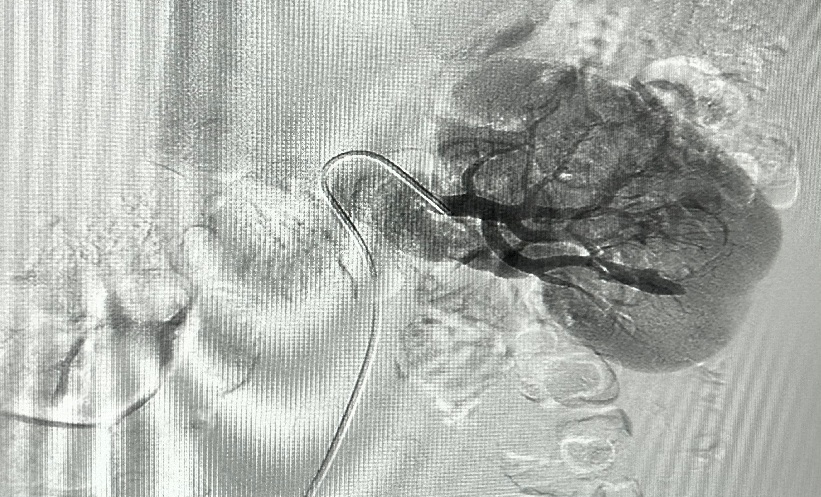
RENAL trauma was managed conservatively or with embolisation in 98% of patients in a 12-year retrospective study, including those with high-grade and initially unstable injuries. This approach resulted in renal salvage in 99% of patients, while 30-day mortality was 2.3%.
The findings from a high-volume Level 1 trauma centre suggested that even severe renal injuries did not routinely require surgery, although embolisation provided an escalation option when bleeding persisted despite resuscitation.
Conservative Management Remains the Mainstay
Renal trauma involves damage to the kidney following injury, with severity ranging from mild injury to severe, high-grade damage that can involve significant bleeding.
The retrospective cohort included 573 patients aged 16 years or older. Their median age was 37 years, and 82% were male. Most patients — 537 (94%) — were initially managed conservatively, compared with 25 (4%) who underwent primary embolisation and 11 (1.7%) who had primary surgery.
Only four patients (0.7%) underwent nephrectomy. Thirty-day all-cause mortality was 2.3%, while renal trauma-specific mortality was 0.2%.
Conservative management also remained predominant among the 123 patients who were haemodynamically unstable and the 181 with high-grade injuries, with similar outcomes reported in these subgroups.
Among patients with high-grade renal trauma and active bleeding visible on CT, 59% were still managed conservatively. The remaining 41% underwent embolisation or surgery.
Embolisation Offers a Route to Kidney Preservation
For patients with ongoing haemorrhage, defined by persistent haemodynamic instability despite resuscitation, embolisation provided an organ-sparing escalation strategy. It achieved 100% technical success, with 88% of procedures performed selectively or super-selectively. The subsequent nephrectomy rate was 3%.
Renal function outcomes were encouraging among patients with available data, although the findings were difficult to interpret because estimated glomerular filtration rate reporting was capped and follow-up was incomplete.
The findings supported continued use of conservative management when clinically appropriate, including for some high-grade and initially unstable renal injuries. Embolisation provided an escalation option for ongoing haemorrhage while avoiding organ removal. However, the retrospective, single-centre design and limitations in renal function follow-up mean the findings should be interpreted within the context of the study population.
Reference
Salaran S et al. Preserving the injured kidney: a retrospective comparative cohort study of contemporary management strategies at a level 1 trauma centre. J Vasc Interv Radiol. 2026;DOI:10.1016/j.jvir.2026.109021.
Featured image: Belezapoy on Adobe Stock