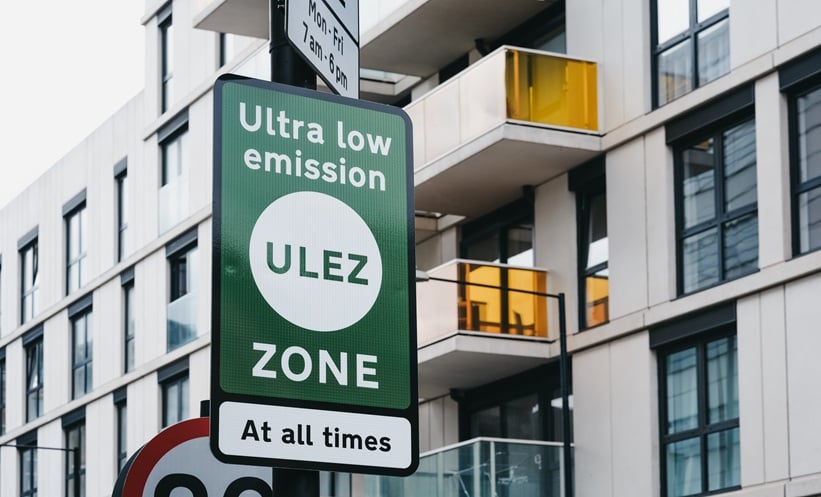
Improvements in air quality following the introduction of London’s Ultra Low Emission Zone (ULEZ) have been strongly associated with accelerated lung growth in children, according to findings from a five-year study involving more than 3,400 children.
The Children’s Health in London and Luton (CHILL) study, led by researchers at Queen Mary University of London and published in The Lancet Public Health, examined whether reducing traffic-related air pollution could improve lung development among children living in London.
Researchers recruited more than 3,400 children aged 6–9 years from 84 primary schools in London and Luton. Luton served as a comparison site because it had a similar mixture of traffic-related pollutants but no clean air zone.
Children underwent annual assessments between 2018 and 2022, allowing researchers to examine changes in lung development before and after implementation of the ULEZ.
Lung Growth Accelerated Following ULEZ Introduction
Before the ULEZ was introduced, children living in London had significantly smaller lungs than those living in Luton. However, over the subsequent five years, lung growth among London children accelerated, with lung size and health eventually becoming comparable with those of children in the control group.
Researchers assessed lung function using forced expiratory volume in one second (FEV1), alongside exposure to nitrogen dioxide (NO₂), which was used as an indicator of traffic-related exhaust pollution.
Following the introduction of the ULEZ, NO₂ exposure among London children declined more than twice as much, and twice as quickly, as among children in Luton.
As NO₂ exposure decreased, FEV1 among children in London increased by an additional 10 mL per year compared with children in Luton. By the end of the five-year study, FEV1 levels were comparable between the two groups, suggesting that London children had experienced a period of accelerated lung growth.
Fewer Children Had Impaired Lung Function
The proportion of London children with clinically impaired lung function also decreased during the study, falling from 14% to 9%. In comparison, the proportion decreased from 9% to 7% among children in Luton.
The findings are significant because impaired lung development during childhood can have consequences extending into adulthood. Failure to achieve optimal lung development has been associated with increased risks of respiratory diseases, including asthma and chronic obstructive pulmonary disease, as well as cardiovascular and metabolic disease.
The researchers said the results provide evidence that lung growth deficits associated with exposure to air pollution may be at least partly recoverable when air quality improves.
Clean Air Zones Could Support Lifelong Respiratory Health
The study provides evidence that clean air zones may offer developmental as well as environmental benefits for children. Researchers suggested that ambitious clean air policies could therefore represent an important public health intervention in cities affected by high levels of traffic-related pollution.
However, the authors cautioned that air pollution remains a concern. Despite improvements observed during the study, pollution levels in both London and Luton remained above World Health Organization guideline levels.
The findings suggest that reducing children’s exposure to traffic pollution could help protect developing lungs and potentially contribute to better respiratory health throughout life.