HORMONE replacement therapy (HRT) could reduce the risk of dementia in women, according to a new large-scale study.
Researchers at the University of East Anglia and the University of Exeter found that overall, women who had used HRT had a 16% lower risk of developing Alzheimer’s, the most common form of dementia, compared with those who have never used it. They also found particular patterns in certain groups of women.
Women at Higher Overall Risk
Women are naturally at a higher risk of developing dementia, accounting for almost two thirds of Alzheimer’s disease cases worldwide.
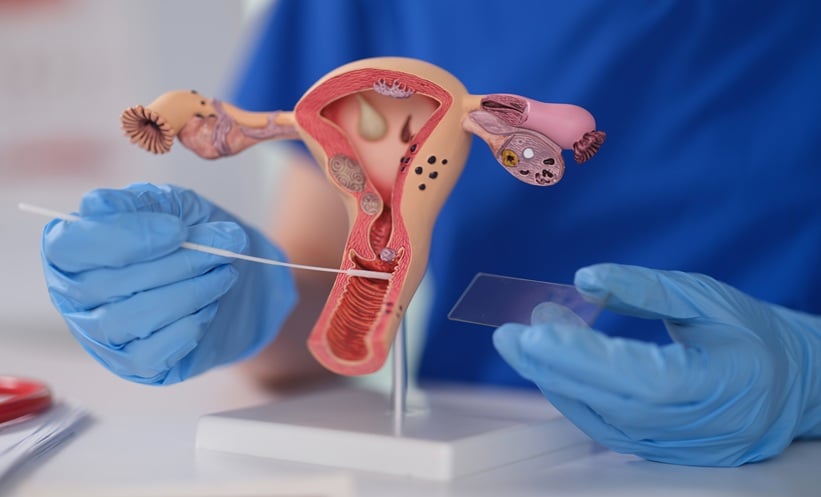
The beginning of the menopausal transition in women often coincides with the onset of the preclinical phase of dementia, while surgically induced menopause via oophorectomy has been linked with an increased life-time dementia risk.
Researchers therefore set out to examine whether a women’s lifetime levels of oestrogen, a hormone which plays a critical role in supporting brain function, throughout a woman’s lifetime, and whether they had taken HRT may contribute to this heightened risk.
To do so, the study surveyed 180,000 postmenopausal women using data from UK Biobank who had experienced either natural (spontaneous) or surgical menopause (hysterectomy and/or bilateral oophorectomy) and their use of HRT.
The team also took into account other factors that could influence dementia risk and HRT use, including age, socio-economic factors, other health issues and medication use.
HRT and Reduced Overall Demetia Risk
Overall, researchers found that women who had used HRT for at least one year had a significantly lower risk of developing all-cause dementia compared with women who did not use HRT.
The use of HRT was associated with an approximately 10% lower risk of all-risk dementia and specifically, a 16% lower risk of developing Alzheimer’s disease.
However, the greatest reduction in risk overall was seen in women who had undergone surgical menopause and followed by HRT, who had a 26% lower risk of developing any type of dementia, compared with non‑users of HRT.
In contrast, HRT use was not significantly associated with dementia risk among women who experienced natural menopause.
Women who naturally had lower lifetime oestrogen exposure, due to starting their periods late or early menopause, seemed to benefit more from HRT than their counterparts not taking it – with a 16% lower risk of any type of dementia.
The timing of HRT use also appeared to be important. Starting HRT between approximately 46 and 56 years of age was associated with a reduced risk of dementia, whereas starting after the age of 56 was not.
Genetic influences were also noted as associations between HRT use and dementia were stronger in women who carry the APOE4 gene variant – a known risk factor for Alzheimer’s disease.
While HRT use was also associated with a lower risk of Alzheimer’s disease specifically, researchers found it has no significant association with other forms of dementia.
A Personalised Approach to HRT Prescribing
This research builds upon previous work from the University of East Anglia which shows that among women carrying the APOE4 ‘dementia gene’, HRT is associated with better memory, cognition and larger brain volumes in later life.
Now, researchers argue that the results of this study provide evidence to support more research in the area to establish causal links between HRT and dementia that go beyond just association.
They add that the findings rationalise a more tailored approach to prescribing HRT to women by taking into account factors like age, menopause type, genetic risk and life-time hormone exposure in order to reduce the overall population dementia risk.
Professor Anne-Marie Minihane, from UEA’s Norwich Medical School and director of the Norwich Institute for Healthy Aging at UEA, led the study and said: “As populations age, understanding how sex‑specific factors influence dementia risk is increasingly important.
“In addition to living longer, the reason behind the higher female prevalence is thought to be related to the effects of menopause on brain metabolism and the impact of the main genetic risk factor APOE4 being greater in women.
She continued: “Our findings contribute to growing evidence that hormone therapy’s effects on brain health are complex and influenced by individual biological factors.
“While HRT has long been prescribed primarily to relieve menopausal symptoms such as hot flushes and night sweats, this work suggests it may also play a role in long‑term cognitive health for some women.”
Professor David Llewellyn, of the University of Exeter Medical School, said: “These findings represent a significant step forward. Rather than asking simply whether HRT affects dementia risk, we’ve been able to identify which women are most likely to benefit, and when. That’s the foundation on which genuinely personalised approaches to women’s brain health can be built.”
Reference
Squires S et al. Hormone replacement therapy and dementia risk among postmenopausal women: Identifying responsive subgroups in the UK Biobank. Alzheimer’s Dement. 2026; 22:e71679.
Featured image: RFBSIP on AdobeStock