TWO measles-associated deaths in unvaccinated Pennsylvania residents mark the state’s first such fatalities in 35 years.
Both individuals were residents of Lancaster County. Pennsylvania has now confirmed 393 measles cases across 28 counties during 2026, intensifying the need for clinicians to recognize suspected infection early and prevent transmission within healthcare settings.
The increase forms part of a wider national resurgence. As of August 20, 2026, 2,777 confirmed measles cases had been reported across the USA, including 36 outbreaks. Approximately 94% of confirmed cases were associated with an outbreak.
Pennsylvania Measles Deaths Underscore Clinical Severity
Measles may initially resemble other respiratory viral infections. Clinicians should maintain a high index of suspicion in patients with fever and rash, particularly when accompanied by cough, coryza, or conjunctivitis and a history of being unvaccinated, traveling, or potentially encountering measles.
Symptoms can develop 7–21 days after exposure. Immunocompromised patients may have an atypical rash or no rash, making exposure history and vaccination status especially important.
Complications include pneumonia, encephalitis, and death. Children younger than 5 years, adults older than 20 years, pregnant patients, and immunocompromised individuals have the greatest likelihood of serious complications.
What Clinicians Should Do When Measles Is Suspected
Patients with suspected measles should be masked and immediately isolated in a room with a closed door, preferably an airborne infection isolation room. Standard and airborne precautions should be implemented, and only healthcare personnel with presumptive evidence of measles immunity should provide care while wearing appropriate respiratory protection.
Clinicians should obtain a throat or nasopharyngeal swab for reverse transcription polymerase chain reaction testing and a serum specimen for measles-specific IgM testing. Laboratory confirmation is essential, but suspected cases must be reported immediately to local or state public health authorities without waiting for results. Infection prevention personnel should also be notified promptly.
Because measles can remain infectious in shared airspace for up to 2 hours, delayed isolation may expose patients, visitors, and staff. Healthcare organizations should ensure personnel have documented presumptive immunity and established protocols for identifying and managing suspected cases.
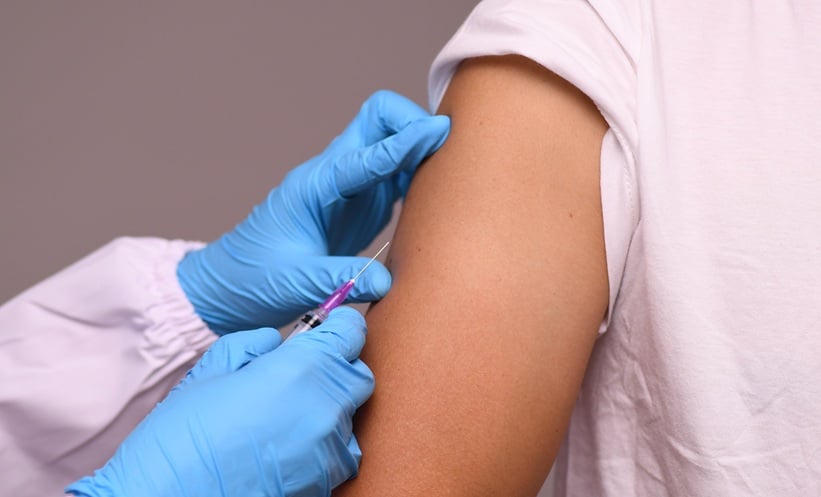
There is no approved specific antiviral treatment for measles. Management is primarily supportive, with prompt treatment of complications such as pneumonia and secondary bacterial infections. Two MMR vaccine doses provide approximately 97% protection, reinforcing vaccination review as a central component of outbreak preparedness.
References
Pennsylvania Department of Health. Pennsylvania Department of Health Confirms Two Measles-Associated Deaths. August 25, 2026. Available at: https://www.pa.gov/agencies/health/newsroom/pennsylvania-department-of-health-confirms-two-measles-associate. Last accessed: August 27, 2026.
Pennsylvania Department of Health. Recommendations for Early, Accelerated and Catch-up Measles, Mumps and Rubella Vaccination. June 24, 2026. Available at: https://www.pa.gov/content/dam/copapwp-pagov/en/health/documents/topics/documents/2026%20HAN/2026-831-06-24-ALT-Measles_Early%20MMR.pdf. Last accessed: August 27, 2026.
Centers for Disease Control and Prevention (CDC). Clinical Overview of Measles. May 23, 2025. Available at: https://www.cdc.gov/measles/hcp/clinical-overview/index.html. Last accessed: August 27, 2026.
Centers for Disease Control and Prevention (CDC). Measles Cases and Outbreaks. 2026. Available at: https://www.cdc.gov/measles/data-research/index.html. Last accessed: August 27, 2026.
Featured Image: Tan on Adobe Stock.