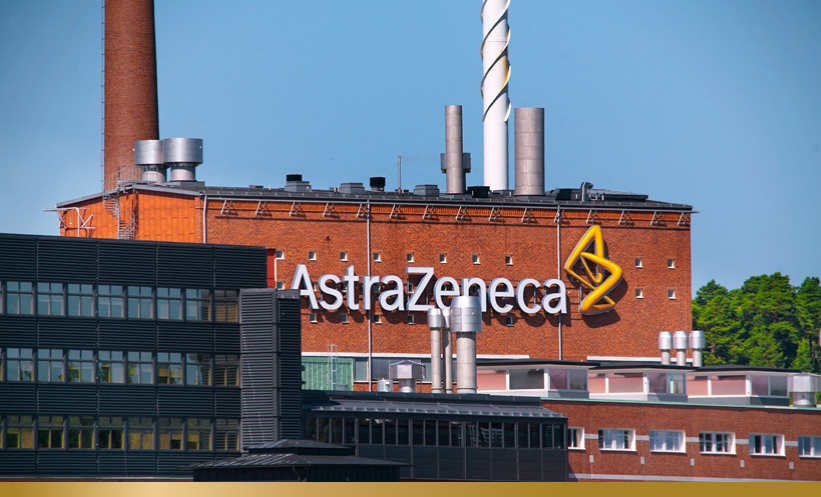
AstraZeneca has announced the success of its asthma drug in a late-stage oesophagus disease trial.
The British Swedish pharmaceutical company said on Thursday that Tezspire (tezepelumab-ekko) met the main goals of the trial for treating patients with chronic inflammatory disorder of the oesophagus.
Reduction in inflammation
Tezepelumab-ekko, developed with Amgen, was found to significantly reduce inflammation in the oesophagus as well as ease difficulty in swallowing in patients with eosinophilic oesophagitis compared to a placebo at 52 weeks.
The chronic, immune-mediated inflammatory condition causes painful injury to the throat and oesophagus and is estimated to effect than 470,000 people in the United States alone.
This new drug is a monoclonal antibody that works by blocking an inflammation-triggering protein known as TSLP in the early inflammation campaign, helping to ward off in conditions driven by eosinophils as well as severe asthma.
Already approved in a number of countries as an add-on treatment for severe asthma, tezepelumab-ekko has an advantage over other drugs due to its four-week dosing interval and effectiveness in treating epithelial-driven inflammatory diseases, according to AstraZeneca.
It generated $1.13bn in sales for AstraZeneca in 2025.
Focus after failure
Despite the promising outcome of the trial, investors remain focussed on the upcoming results of two cancer trials which are seen as more supportive of the company’s growth prospects and set target to reach $80bn in sales by 2030.
The positive news also comes after a series of setbacks for the Cambridge-based company that saw both cancer drug Wainua (eplontersen), and Ultomiris (ravulizumab-cwvz) for rare blood and autoimmune diseases, unexpectedly fail late-stage trials.
In May, a US regulatory panel rejected its breast cancer drug camizestrant on the grounds that it had concerns over the trial design, which prompted a 2.5% drop in share price.
AstraZeneca also made the decision to halt a late-stage trial of volrustomig, an experimental lung cancer drug, this month after a committee overseeing the trial concluded it was unlikely to meet its primary goals.
As of the most recent news, shares remained down by 0.6% on Thursday morning, having fallen 14% since Wainua’s trial failure.
Featured image: Roland Magnusson on AdobeStock