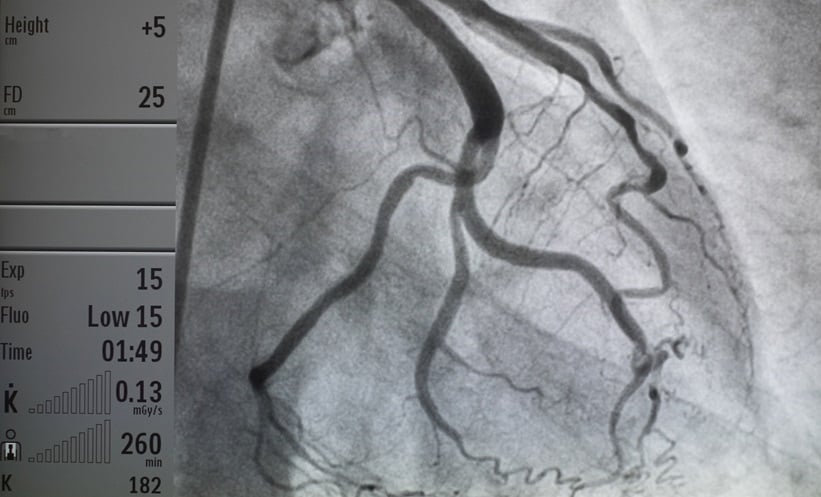
NEUTROPHIL extracellular traps fuel atherosclerosis in rheumatoid arthritis by injuring vessels and promoting arterial blood clots. Rheumatoid arthritis confers a heightened risk of cardiovascular disease, with progressive arterial plaque development serving as the primary pathological driver. While conventional cardiovascular risk factors remain clinically relevant, persistent systemic inflammation accelerates vascular injury. Neutrophil extracellular traps, which consist of chromatin networks studded with citrullinated histones and cytotoxic granules, provide a critical mechanistic bridge between autoimmune joint inflammation and premature cardiovascular events.
Autoantibodies such as anti-citrullinated protein antibodies and elevated cytokines including interleukin-33, tumor necrosis factor alpha, and interleukin-6 stimulate neutrophils to undergo excessive trap formation. These structures directly disrupt vascular endothelial cell junctions, cause endothelial dysfunction, and induce local vascular cell adhesion molecule-1 expression. Within the arterial wall, extruded extracellular traps activate macrophages through toll-like receptor signaling to promote lipid accumulation and foam cell generation. In addition, trap-derived proteases such as neutrophil elastase degrade fibrous caps, thereby increasing plaque instability and accelerating subsequent atherothrombosis.
Clinical and Investigational Management Strategies
Managing atherosclerosis in rheumatoid arthritis demands an integrated therapeutic approach combining routine cardiovascular risk assessment, targeted inflammation control, and investigational trap-modifying strategies. Conventional screening utilizing carotid ultrasound or coronary artery calcium scoring aids early detection of subclinical vascular disease in high-risk patients. Standard-of-care treatments, including anti-tumor necrosis factor agents, interleukin-6 receptor inhibitors, and Janus kinase inhibitors, suppress upstream inflammatory signaling to decrease circulating extracellular trap levels and improve endothelial function. Concurrently, statins and low-dose colchicine offer vascular protection by attenuating trap-mediated arterial inflammation.
Investigational strategies specifically targeting trap pathways show promise in preclinical models. Peptidylarginine deiminase 4 inhibitors diminish chromatin citrullination to curb lesion development, whereas deoxyribonuclease therapy degrades extracellular DNA scaffolds to prevent microvascular occlusion. Circulating biomarkers, such as citrullinated histone H3 and myeloperoxidase-DNA complexes, correlate with disease activity and subclinical vascular damage, offering future potential for refined cardiovascular risk stratification.
Reference
Qian Y et al. Atherosclerosis in Rheumatoid Arthritis: The Role of NETs and Management. J Inflamm Res. 2026;19:634932.
Featured Image: FrameFlex/peopleimages.com on Adobe Stock.