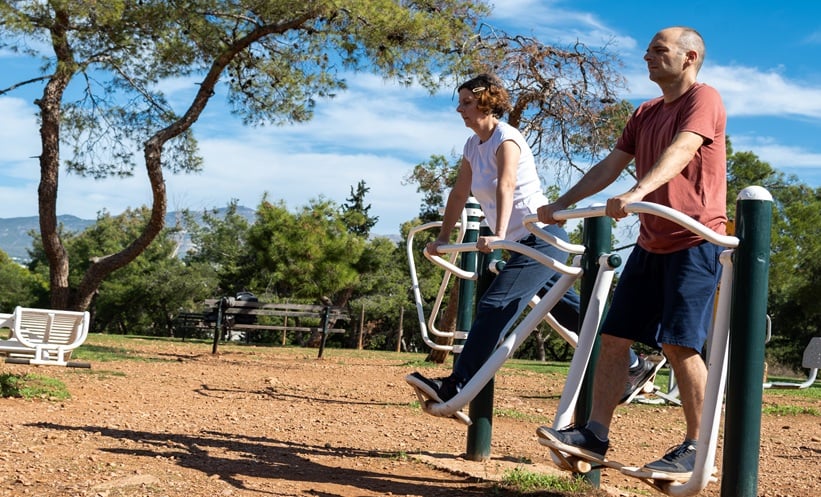
OUTDOOR fitness equipment use among older patients with coronary heart disease is shaped by multiple influences, according to a qualitative study based on the Social Ecological Model.
The research explored factors affecting engagement with outdoor fitness equipment as a potential support for exercise based cardiac rehabilitation.
Researchers conducted semi-structured interviews with 18 patients aged 60 years and older with coronary heart disease between January and March 2024.
Directed content analysis identified 32 factors across nine categories within the Social Ecological Model framework.
Of these, six factors emerged directly from participant interviews and had not been included in the preliminary framework: sedentary behaviour, personal preferences, exercise related psychological burden, autonomy, incentive mechanisms, and policy implementation satisfaction.
At the individual level, behavioural and psychological influences were particularly prominent.
Participants reported that prolonged sedentary behaviour often prompted them to seek physical activity. However, many viewed outdoor fitness equipment as less appealing than walking.
Some perceived the equipment as primarily intended for children, while others described outdoor fitness equipment exercise as physically demanding and psychologically burdensome.
Patients also expressed a preference for maintaining autonomy over exercise decisions.
Social and Organisational Support Remain Important
Interpersonal influences centred on social support and social climate. Participants highlighted the importance of professional exercise guidance but frequently reported receiving only general recommendations to remain active.
Researchers noted that vague advice could reinforce concerns about exercise safety and contribute to a preference for walking over outdoor fitness equipment use.
At the organisational level, maintenance, publicity, coordination, and access to professional mentors were identified as important determinants of participation.
Incentive mechanisms emerged as a novel factor, with patients suggesting that rewards systems could increase motivation and encourage regular engagement with outdoor fitness equipment.
Community and Policy Factors Affect Participation
Community-level influences included accessibility, usability, safety, environmental friendliness, and climate.
Patients indicated that equipment located close to home was more likely to be used, while poorly maintained or less inviting facilities reduced engagement. Green and attractive surroundings were also viewed positively.
Policy-related influences focused on behavioural guidance, resource allocation, and satisfaction with policy implementation.
Participants recognised efforts to promote physical activity but reported a perceived gap between policy intentions and practical delivery.
Concerns included inadequate maintenance, limited promotion, and insufficient integration of outdoor fitness equipment into daily community life.
The researchers concluded that outdoor fitness equipment use is determined by interacting influences across multiple levels rather than by isolated factors.
They suggest that targeted multilevel interventions could help increase use of outdoor fitness equipment and strengthen cardiac rehabilitation opportunities for older patients with coronary heart disease.
Reference
Yang J et al. Factors influencing the use of outdoor fitness equipment by elderly patients with coronary heart disease: a qualitative study based on the social ecological model. Sci Rep. 2026;DOI:10.1038/s41598-026-64848-3
Featured image: Lazaros on Adobe Stock