Key Summary:
- Aedes aegypti mosquitoes have bred in the UK for the first time.
- No associated human infections have been detected, and public risk remains very low.
- A warming climate could allow invasive mosquitoes to survive more frequently.
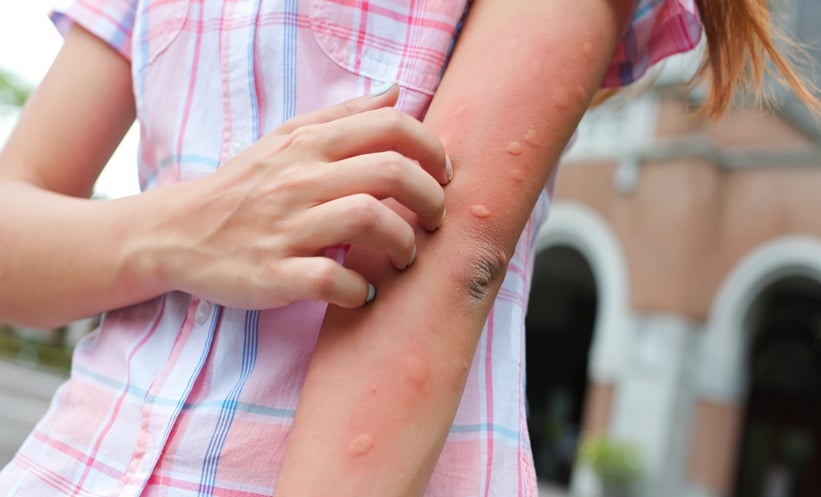
MOSQUITOES belonging to the species Aedes aegypti have been found breeding in London homes for the first time, prompting intensified public health surveillance.
The invasive mosquitoes and their larvae were identified at residential properties in east London. Although A. aegypti has previously been detected in the UK on four occasions, this is the first confirmed evidence that the species has reproduced there.
These mosquitoes are usually found in tropical and subtropical climates and can transmit dengue, chikungunya, and Zika viruses in areas where these infections circulate. Authorities believe the insects were accidentally imported in baggage, vehicles, or plants.
Measures are underway to destroy the mosquitoes and larvae at the affected properties. Trapping and surveillance have also been expanded to identify any further signs of the species. No mosquitoes or larvae have been detected in nearby public areas.
The UK Health Security Agency described the current public health threat as very low. There is no evidence that the A. aegypti mosquitoes identified in London have caused human infections.
Local transmission would require substantially more mosquitoes, sustained warm temperatures, and contact with a person who had acquired one of the relevant viruses outside the UK. These conditions have not been reported.
Residents in the affected area have been advised to remove standing water from gardens and outdoor spaces. Potential mosquito breeding sites include buckets, containers, children’s pools, and plant pots.
For physicians, the discovery does not indicate a current outbreak or require changes to routine clinical practice. However, it reinforces the importance of obtaining a travel history when evaluating patients with compatible febrile illnesses. It also demonstrates the value of entomologic surveillance for identifying emerging vector threats before local disease transmission occurs.
Despite recent heat waves and evidence of local breeding, A. aegypti is not considered established in the UK. The country’s climate remains too cold overall for the species to survive throughout the year.
Experts cautioned, however, that warming conditions could result in more frequent invasive mosquito incursions and allow the insects to survive during future summers. London’s large and highly mobile population, combined with extensive travel between the UK and regions where mosquito borne viruses circulate, further supports the need for continued surveillance.
The discovery therefore represents an important public health finding rather than evidence of immediate clinical danger. Ongoing monitoring and rapid eradication will be necessary to determine whether seasonal breeding becomes more common as temperatures rise.
References
BBC. Invasive mosquito species found breeding in London. September 3, 2026. Available at: https://www.msn.com/en-us/money/general/invasive-mosquito-species-found-breeding-in-london/ar-AA2bv0qR. Last accessed: September 4, 2026.
Taylor P. Viral disease-carrying Aedes mosquito ‘breeding in London’. September 4, 2026. Available at: https://pharmaphorum.com/news/viral-disease-carrying-aedes-mosquito-breeding-london. Last accessed: September 4, 2026.
Featured Image: ryanking999 on Adobe Stock.
Each article is made available under the terms of the Creative Commons Attribution-Non Commercial 4.0 License.