Key Summary:
- Influenza and SARS-CoV-2 awakened dormant breast cancer cells in mouse lungs.
- IL-6 was required for the initial cancer cell awakening response.
- Evidence does not support changing cancer surveillance after infection.

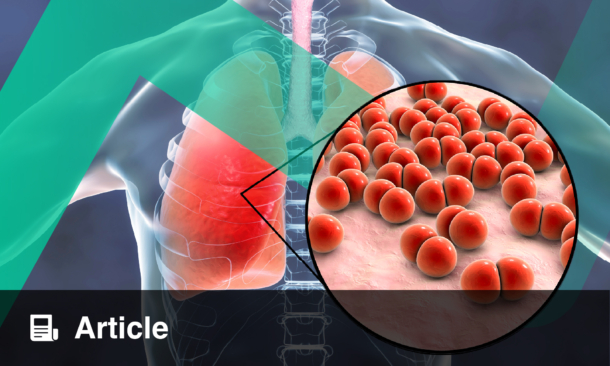
RESPIRATORY viral inflammation may awaken dormant breast cancer cells in the lungs, new experimental evidence suggests.
A review of emerging research found that influenza A virus and SARS-CoV-2 prompted previously dormant disseminated cancer cells to resume proliferation in several mouse models of breast cancer. However, the authors stressed that the evidence remains concentrated in experimental pulmonary models and does not establish that respiratory infections cause cancer recurrence in humans.
Disseminated cancer cells can persist in distant tissues for years after apparently successful treatment. Although these cells remain viable, cellular stress responses and surrounding immune, vascular, stromal, and extracellular matrix conditions may prevent them from forming detectable metastases.
In the principal experimental study examined by the review, sublethal influenza A infection triggered cell cycle reentry among established breast cancer cells in mouse lungs within days. The number of cancer cells then expanded markedly over the following 2 weeks. A mouse-adapted form of SARS-CoV-2 produced a similar increase in pulmonary cancer cell proliferation.
The effects were reproduced across multiple breast cancer models. Researchers also found no evidence that the greater lung tumor burden resulted from increased dissemination from the primary tumor, supporting the interpretation that preexisting dormant cells had resumed growth.
IL-6 emerged as the best-supported mediator of the initial awakening response. Genetic IL-6 deficiency reduced cancer cell reactivation, suggesting that infection-associated inflammatory signaling may temporarily disturb the balance maintaining cancer dormancy.
Later persistence of the awakened cells was associated with CD4-positive T cells suppressing CD8-positive T-cell activation and cytotoxicity. Other proposed mechanisms include neutrophil extracellular trap formation, extracellular matrix remodeling, endothelial changes, epithelial RNA sensing, and extracellular vesicle signaling. Most of these mechanisms were demonstrated in separate experimental systems and have not been confirmed as one continuous pathway after viral infection.
Observational analyses of cancer survivors found associations between SARS-CoV-2 infection and adverse cancer outcomes, including pulmonary metastatic progression in a breast cancer cohort. These findings cannot establish causation because tumor biology, treatment interruptions, comorbidities, immune status, and infection severity may have influenced outcomes.
For clinicians, the evidence does not justify additional imaging, IL-6 testing, circulating tumor DNA testing, or changes to established surveillance schedules solely following influenza or COVID-19. No biomarker, preventive therapy, or post-infection monitoring strategy has been validated for this purpose.
Independent replication and prospective human studies are needed before respiratory infection can be considered an established trigger of metastatic relapse.
Reference
Atoom AM et al. Acute respiratory viral inflammation and metastatic dormancy: direct evidence, mechanistic convergence, and research priorities. Cancer Treat Res Commun. 2026;49:101403.
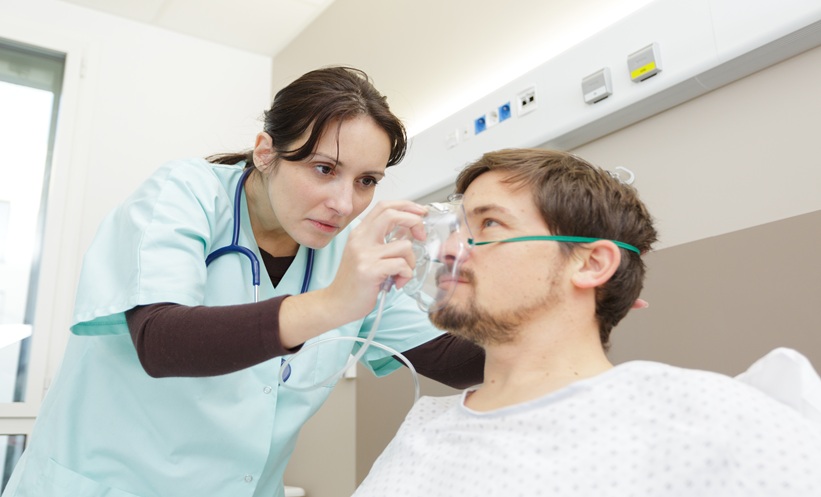
Featured Image: pressmaster on Adobe Stock.
Each article is made available under the terms of the Creative Commons Attribution-Non Commercial 4.0 License.