ROUTINE alcohol consumption heightens gout risk, while individual beverage subtypes dictate recurrent annual clinical flare rates. A comprehensive prospective analysis of 331,865 adult participants followed over 11.7 years identified 5,728 incident gout cases, revealing a complex, nonlinear relationship between alcohol intake and joint inflammation. Heavy alcohol exposure significantly escalated gout incidence, with abusive consumption doubling the clinical risk compared to complete abstinence. However, stratification revealed marked sex specific divergence. Light intake below 95 grams weekly demonstrated an inverse association with gout incidence exclusively among female patients, achieving a 22 percent risk reduction, whereas male patients derived no protective benefit at any consumption level.
Alcohol Beverage Selection Dictates Divergent Metabolic Hazards
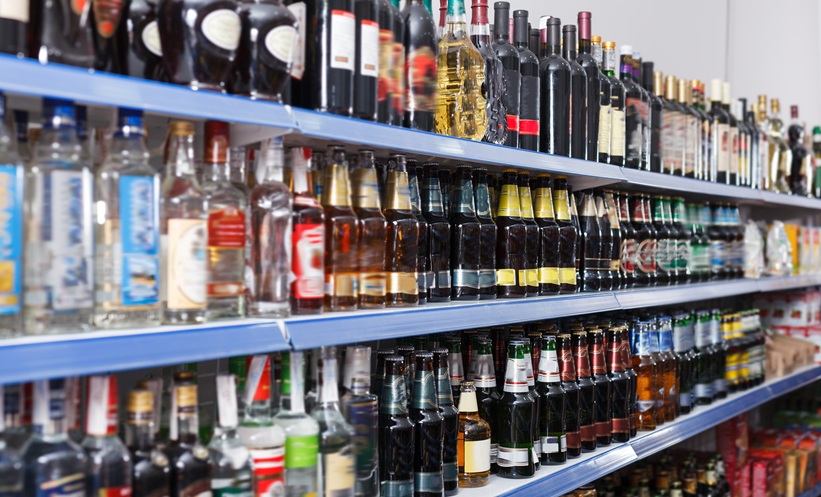
Beverage choice produces pronounced heterogeneity in disease vulnerability. Beer and spirits demonstrated the most aggressive associations with incident disease, driving hazard ratios of 2.13 and 1.59 among abusive consumers. White wine and champagne similarly elevated inflammatory risk across all intake volumes without demonstrating any safe threshold. In sharp contrast, light consumption of red wine and fortified wine correlated with modest reductions in gout risk. This protective signal likely stems from nonalcoholic polyphenols and lower purine concentrations that counteract serum urate elevation, rather than ethanol itself.
Quantifying Recurrent Flare Frequency and Causal Limits
Beyond initial diagnosis, alcohol consumption directly accelerates episodic flare frequency in established gout. Methodological evaluations utilizing two-stage residual inclusion Poisson models indicate that each standard drink added per week yields an estimated 11.6 to 12.7 percent increase in expected annual gout flares. Evaluating event counts through residual inclusion addresses traditional observational bias while maintaining statistical power under skewed distributions. Nevertheless, causal conclusions require careful appraisal. Genetic instruments linked to alcohol metabolism frequently exhibit pleiotropic associations with lipid fractions and glycemic pathways, demonstrating that unmeasured metabolic confounding can still distort causal estimates.
For clinicians managing hyperuricemia and crystal arthritis, these combined findings refine patient counseling beyond uniform drinking restrictions. While female patients maintaining minimal red wine intake may avoid heightened risk, beer, spirits, and white wine warrant strict limitation due to their direct hyperuricemic impact. Evaluating baseline beverage preferences alongside expected flare burdens enables targeted lifestyle guidance that protects joint function and stabilizes long-term disease management.
Reference
Chen W et al. Dose-response relationship between alcohol drinking and gout risk: do subtypes of alcoholic beverages make a difference? J Rheumatol. 2024;doi:10.3899/jrheum.2024-0065.
Appah M et al. Comparison of two-stage methods for count data in Mendelian randomization: a simulation study. J Comp Eff Res. 2026;e250081.
Featured Image: JackF on Adobe Stock.