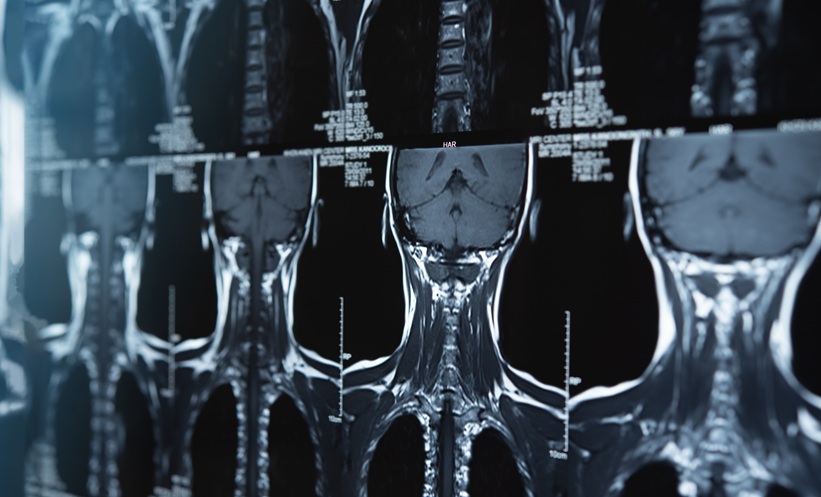
A retrospective single centre cohort study found that CT-guided core needle biopsy (CNB) can be a reliable diagnostic tool for ultrasound-inaccessible lesions in the suprahyoid deep neck spaces, where complex anatomy may limit needle visualisation with ultrasound guidance.
Assessing CT-guided CNB as a diagnostic tool
Researchers reviewed consecutive CT-guided biopsies performed from January 2005 to August 2024, and included patients with suspected neoplastic, inflammatory, or infectious head-and-neck lesions, for which percutaneous biopsy was clinically indicated.
Researchers included 122 CNB procedures in 118 patients and recorded variables such as age, sex, lesion size and location, needle depth, procedural details, pathology, and complications.
Ultrasound-guided biopsy was the first-line approach and CT-guided CNB was used for lesions that ultrasound could not adequately visualise or safely access.
Board-certified radiologists performed intermittent CT-guided biopsy under sterile conditions and local anaesthesia, using an 18-gauge core biopsy needle.
Immediate post-procedural CT imaging was done to check for early complications, including haemorrhage or adjacent structure injury.
Diagnosis for ultrasound-inaccessible lesions
Most procedures were performed in the suprahyoid space (94.3%), with the remaining procedures performed in the infrahyoid neck (5.7%).
Researchers found that the overall diagnostic yield was 93.4%; sensitivity and specificity were 86.2% and 100%, respectively. Of the biopsies, 73.0% were benign and 20.5% were malignant. Salivary-gland tumours were the most frequent benign diagnosis, while metastatic tumours were the most frequent malignant diagnosis.
Exploratory analyses did not demonstrate a consistent association between diagnostic performance and lesion size, suggesting that diagnostic performance was not strongly influenced by these factors.
Clinical Implications CT-guided CNB
The researchers concluded that CT-guided CNB can provide reliable tissue diagnosis for ultrasound-inaccessible lesions in the suprahyoid head and neck, suggesting that it may serve as a complementary diagnostic tool when ultrasound-guided biopsy is not feasible in challenging cases.
Surgical confirmation was available in only 31% of cases, final diagnoses in the remaining cases were established based on clinical and imaging follow-up and 6.6% of biopsies were inconclusive suggesting that further studies in other settings may be needed to assess the reliability of CT-guided CNB as a diagnostic tool.
Reference:
Kim J et al. CT-guided core needle biopsy in ultrasound-inaccessible suprahyoid deep neck spaces. Eur Radiol. 2026;DOI:10.1007/s00330-026-12867-z.