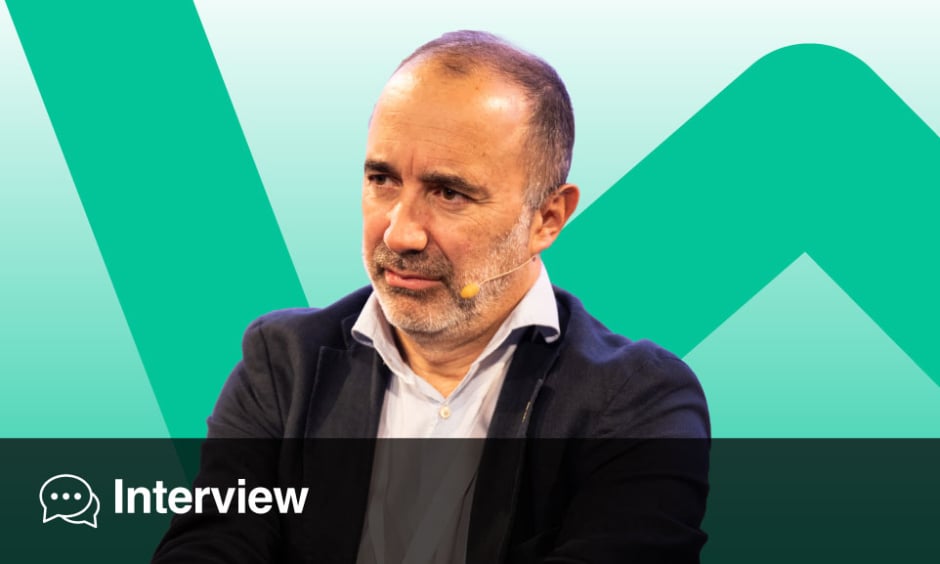
Borja G. Cosío | Head of the Respiratory Department, Hospital Universitario Son Espases, University of the Balearic Islands, Mallorca, Spain
Citation: EMJ Respir. 2026; https://doi.org/10.33590/emjrespir/5121H7Y6

What first drew you to respiratory medicine, and which areas of COPD and severe asthma are currently driving your research?
What initially attracted me to respiratory medicine was the combination of physiology, imaging, clinical medicine, and long-term patient relationships. Respiratory diseases allow us to connect fundamental pathophysiological mechanisms with symptoms that have a profound impact on patients’ daily lives. I was particularly fascinated by the possibility of objectively measuring disease through lung function, imaging, and biomarkers, while still dealing with highly heterogeneous conditions that require individualised care.
My current research focuses primarily on COPD and severe asthma, particularly the mechanisms underlying disease heterogeneity and the identification of clinically meaningful phenotypes and endotypes. In COPD, I am especially interested in eosinophilic inflammation, mucus plugging, airway remodelling, early disease, and the role of biologic therapies. In severe asthma, my work has focused on biomarkers of Type 2 inflammation, treatment response to biologics, and the relationship between inflammation, structural airway changes, and clinical outcomes. Ultimately, my goal is to contribute to a more precise and personalised approach to airway disease management.
COPD is increasingly understood as a heterogeneous condition. How should clinicians move beyond traditional severity classifications towards identifying phenotypes, endotypes, and treatable traits?
The traditional approach to COPD has relied heavily on spirometry and airflow limitation severity. Although spirometry remains essential, we now recognise that it tells us relatively little about the biological mechanisms driving disease in a given patient. Clinicians should increasingly adopt a multidimensional assessment that incorporates symptoms, exacerbation history, imaging findings, inflammatory biomarkers, comorbidities, and functional impairment. The objective is not simply to categorise patients according to forced expiratory volume in 1 second, but to identify treatable traits that directly influence outcomes.
For example, blood eosinophilia may indicate responsiveness to inhaled corticosteroids or biologic therapy. Chronic bronchitis, mucus hypersecretion, emphysema, bronchiectasis, frailty, anxiety, cardiovascular disease, or physical inactivity each represent distinct traits requiring specific interventions. Similarly, emerging endotypes based on inflammatory and molecular pathways will likely become increasingly important in guiding treatment selection. Precision medicine in COPD will depend on our ability to identify the mechanisms driving disease in each individual patient, rather than treating all patients according to the same algorithm.
Your recent research has examined COPD in younger adults. How does young COPD differ clinically and biologically from disease diagnosed later in life?
Young COPD challenges the conventional perception that COPD is exclusively a disease of older smokers. Increasing evidence suggests that many patients begin their disease trajectory decades before diagnosis. Clinically, younger patients often present with fewer comorbidities and less extensive structural damage, but they may already have significant symptoms, impaired quality of life, and accelerated lung-function decline. Importantly, many of these individuals do not necessarily reach adulthood with normal peak lung function. Biologically, young COPD appears to reflect multiple developmental and environmental insults acting across the life course. Factors such as impaired lung growth, early-life respiratory infections, prematurity, exposure to tobacco smoke, air pollution, and socioeconomic disadvantage may all contribute. In many cases, disease results not only from accelerated decline in adulthood, but also from failure to achieve optimal lung development during childhood and adolescence. This concept fundamentally changes how we view COPD, shifting the focus from late-stage disease management to lifelong lung health.
What opportunities exist to identify individuals at risk of COPD earlier, before significant or irreversible lung-function decline has occurred?
One of the greatest opportunities lies in recognising that COPD develops over many years before conventional diagnostic criteria are met. We should be actively searching for at-risk individuals rather than waiting for fixed airflow obstruction to appear. Several groups warrant particular attention, including smokers and former smokers, individuals exposed to biomass fuels or occupational pollutants, patients with recurrent childhood respiratory disease, people with impaired lung growth, and those with persistent respiratory symptoms despite normal spirometry. The use of longitudinal lung-function assessment, CT imaging, symptom questionnaires, and novel biomarkers may help identify individuals in the so-called ‘pre-COPD’ stage. Primary care also has a critical role. Many patients present repeatedly with chronic cough, sputum production, or exertional dyspnoea years before diagnosis. Earlier identification would create opportunities for smoking cessation, risk-factor reduction, and potentially disease-modifying interventions before irreversible structural damage occurs.
With biologic therapies beginning to reshape COPD care, which patients are most likely to benefit?
The emergence of biologic therapies represents one of the most important developments in COPD management in recent decades. However, as in severe asthma, patient selection is essential. The strongest evidence currently supports patients with an eosinophilic inflammatory profile, particularly those with elevated blood eosinophil counts and a history of frequent exacerbations despite optimised inhaled therapy. These patients appear to represent a distinct inflammatory endotype characterised by persistent Type 2 inflammation. The challenge now is to better define responders and non-responders. Blood eosinophils are useful but imperfect biomarkers. Future approaches will likely combine clinical characteristics, exacerbation patterns, biomarkers, imaging features, and perhaps molecular signatures to identify those most likely to derive meaningful benefit. I believe we are only at the beginning of precision medicine in COPD.
Asthma and COPD can coexist within the same patient. How useful is the concept of asthma-COPD overlap today, and how should it influence treatment decisions?
The concept of asthma-COPD overlap was helpful in highlighting that many patients do not fit neatly into a single diagnostic category. However, as our understanding of airway diseases has evolved, the term itself has become less useful. Rather than asking whether a patient has overlap, I think it is more productive to identify specific asthma-like and COPD-like traits. Features such as previous asthma diagnosis, atopy, bronchodilator reversibility, elevated eosinophils, or Type 2 inflammation may all influence treatment decisions regardless of the diagnostic label. Therefore, I increasingly view overlap not as a distinct disease entity, but as a clinical reminder that airway diseases exist along a spectrum. Treatment should be guided by individual traits and underlying biology rather than by attempting to force patients into rigid diagnostic categories.
Exacerbations remain a major driver of COPD progression and hospitalisation. What changes could most effectively improve their prediction, prevention, and follow-up?
Preventing exacerbations remains one of our greatest priorities, because they accelerate lung-function decline, worsen quality of life, and increase mortality. The first step is better prediction. We need to move beyond relying solely on prior exacerbation history and incorporate biomarkers, imaging, symptom trajectories, digital monitoring tools, and environmental exposures. Advances in predictive analytics may eventually allow clinicians to identify high-risk patients before clinical deterioration occurs. Prevention requires a comprehensive strategy, including smoking cessation, vaccination, pulmonary rehabilitation, optimisation of inhaled therapies, treatment of comorbidities, and, where appropriate, biologic therapies. Following an exacerbation, we should also regard hospitalisation as a critical event rather than an isolated episode. Structured post-exacerbation reviews, reassessment of treatment, identification of triggers, and close follow-up could significantly reduce the risk of recurrence.
Looking ahead, what development do you believe could make the greatest difference to outcomes for patients with COPD over the next decade?
If I had to identify a single transformative development, it would be the transition from reactive treatment of established disease to proactive identification and targeted intervention in early disease. For decades, we have largely treated patients once substantial and often irreversible lung damage has already occurred. The next decade should focus on detecting disease earlier, understanding individual biological mechanisms, and applying therapies that modify its trajectory rather than simply controlling symptoms. This approach will require integration of biomarkers, advanced imaging, digital health technologies, and precision therapeutics, including biologics. Combined with stronger prevention strategies, particularly smoking prevention and cessation, I believe this shift towards personalised, early intervention has the potential to achieve the greatest improvement in long-term outcomes for patients with COPD.