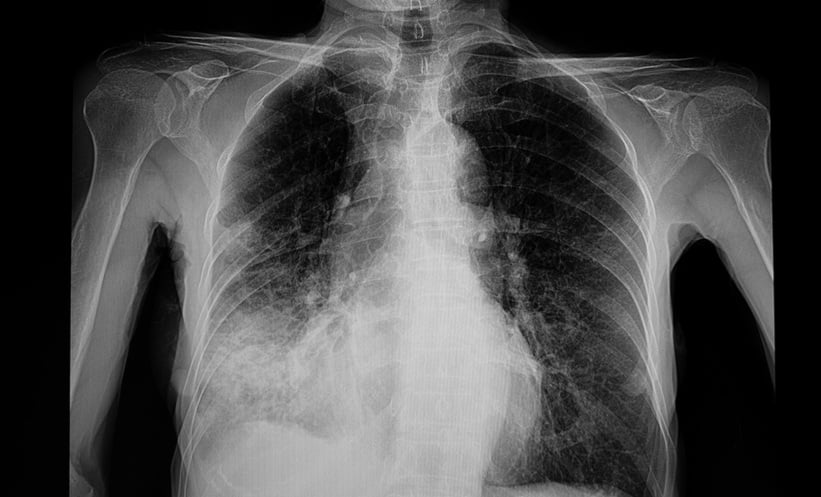
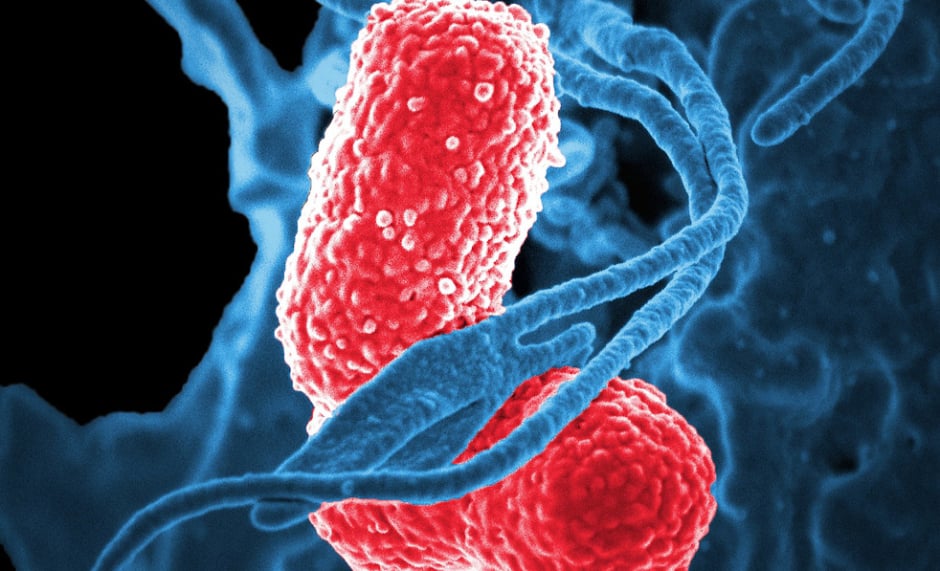
AMID heightened concerns over a Russian pneumonic plague outbreak, candidate vaccines demonstrate robust aerosol pulmonary defense. Recent surveillance reports describing suspected respiratory transmission of Yersinia pestis in Siberia have renewed global urgency for viable clinical countermeasures. Because pneumonic plague is among the deadliest infectious diseases, developing an effective pneumonic plague vaccine remains an urgent biodefense priority. Currently, no vaccine carries Food and Drug Administration approval, and existing subunit formulations frequently fail to generate comprehensive mucosal protection against naturally circulating or genetically diverse bacterial strains.
Mucosal Delivery And Pneumonic Plague Vaccine Efficacy
Investigators evaluated two live attenuated triple deletion candidates to advance pneumonic plague vaccine development, designating the strains LMA and LMP, administered alone or alongside an adenovirus type 5 vector based platform encoding three protective antigens. Immunization followed a prime-pull strategy, pairing parenteral priming with an intranasal booster. Following lethal inhalation challenge with up to 10,000 median lethal doses of parental Yersinia pestis, vaccinated cohorts achieved 80% to 100% survival. This prime-pull regimen stimulated superior mucosal immunity marked by elevated secretory IgA in bronchoalveolar lavage fluid alongside robust populations of pulmonary tissue resident memory T cells that defend against acute respiratory disease. Furthermore, this heterologous design conferred protection against diverse natural lineages, including Orientalis, Medievalis, and Antiqua strains, as well as capsule deficient mutants that compromise conventional subunit vaccines.
Overriding Interferon Dependencies In Respiratory Defense
Surprisingly, protective outcomes remained intact in preclinical models lacking interferon gamma, a signaling pathway historically deemed essential for clearing systemic plague infections. Vaccinated knockout models mounted heightened germinal center B cell activity, antigen specific memory T cells, and intact pulmonary cytokine production. Targeted monoclonal antibody depletion of interferon gamma or tumor necrosis factor alpha before and during infection confirmed that protective efficacy persisted unabated. While passive administration of recombinant cytokines alone conferred partial protection against low-dose exposure, vaccine-induced recall responses bypassed cytokine dependencies entirely. These mechanistic insights demonstrate that this dual-platform pneumonic plague vaccine can overcome systemic immune defects, providing relevant pathways for post-exposure prophylaxis and unvaccinated populations facing severe clinical infection during acute public health emergencies.
Reference
Hendrix EK et al. Live attenuated vaccines alone or in combination with an adenovirus-based vaccine protect mice lacking IFNγ against pneumonic plague. Sci Transl Med. 2026;18(859):eads0514.