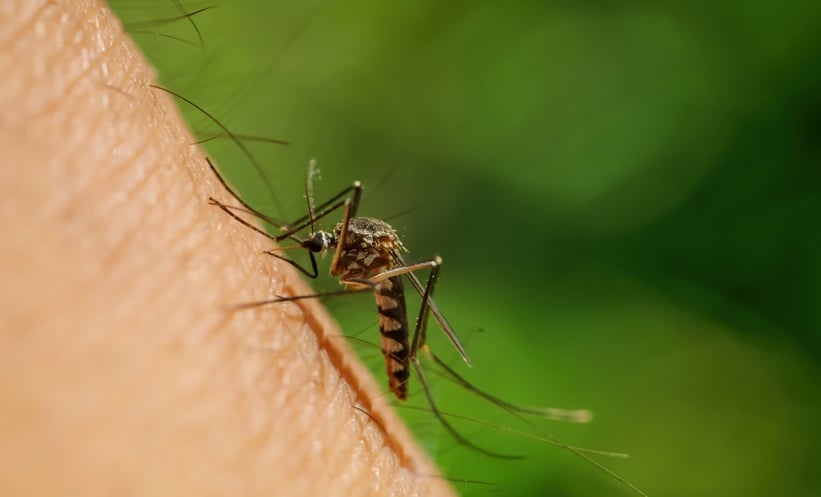
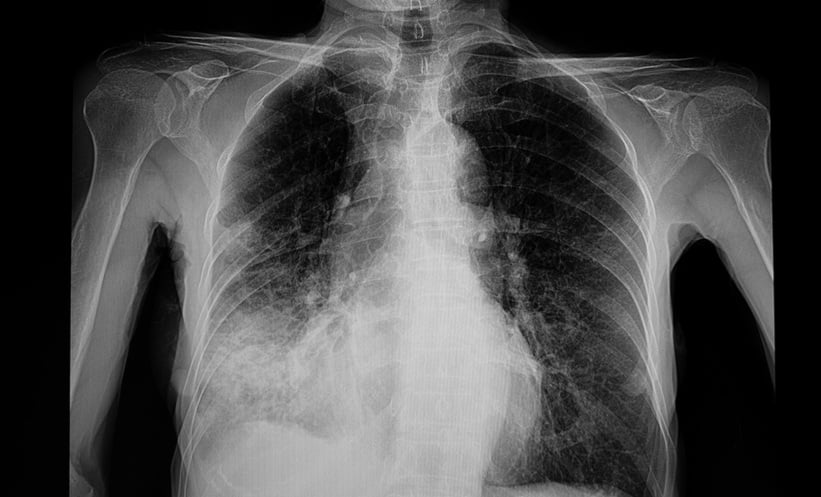
SURGING West Nile virus infections across forty-five states display severe neuroinvasive presentations in 1,004 diagnosed patients. National arboviral surveillance data through the ArboNET network show a sharp escalation in seasonal disease activity, bringing the cumulative human caseload to 1,328 across the country. Clinical reports reveal that neuroinvasive manifestations account for more than 75% of documented diagnoses, underscoring an acute diagnostic challenge for hospital care teams. Because public health tracking channels heavily prioritize hospitalized patients, milder febrile presentations remain substantially underreported, obscuring true community transmission rates.
Geographic Spread and Severe West Nile Virus Manifestations
Regional surveillance demonstrates significant geographic concentration, with California reporting 310 total cases and Arizona recording 95 infections. In high-density outbreak areas such as Los Angeles County and Maricopa County, severe neuroinvasive disease accounts for the vast majority of identified clinical presentations. Affected patients frequently manifest life-threatening encephalitis, aseptic meningitis, or acute flaccid paralysis that requires urgent critical care support. In addition, routine donor blood screening has intercepted multiple presumptive viremic blood donors who initially exhibited no systemic symptoms. These asymptomatic detections confirm active community circulation capable of generating severe neurological sequelae in vulnerable patient groups.
Diagnostic Priorities and Surveillance Constraints
The aggressive neurovirulence of West Nile virus demands heightened diagnostic suspicion whenever patients present with acute fever, profound muscle weakness, and unexplained neurological deterioration. Clinicians must not rely on classic physical signs alone to rule out acute central nervous system involvement. However, interpreting current surveillance data requires careful consideration of structural reporting limitations. Mild non-neuroinvasive infections frequently go undetected due to variable healthcare-seeking behavior and inconsistent outpatient diagnostic testing. Furthermore, surveillance registries reflect patient county of residence rather than verified geographic exposure sites, and variable non-human surveillance means an absence of reported animal activity does not equate to zero transmission risk. Healthcare providers must maintain high clinical vigilance, obtain confirmatory serologic testing early, and counsel high-risk populations on personal mosquito protection.
Reference
Centers for Disease Control and Prevention. Current Year Data (2026): West Nile Virus Disease Cases & Presumptive Viremic Blood Donors. CDC ArboNET Surveillance. 2026; https://www.cdc.gov/west-nile-virus/data-maps/current-year-data.html.