SUMMARY OF KEY RESEARCH FINDINGS
Parkinson’s disease (PD), multiple system atrophy (MSA), and progressive supranuclear palsy (PSP) can converge on overlapping parkinsonian phenotypes despite being driven by different proteinopathies. The authors tested whether biomarkers interrogating complementary dimensions of disease biology provide greater diagnostic information when combined than when evaluated in isolation. In a prospective discovery cohort of 166 participants, followed by an independent validation cohort of 63 participants recruited in Toronto, Canada (n=31), and Kassel, Germany (n=32), the authors evaluated a multimodal strategy combining dermal α-synuclein seed amplification assay (SAA), dermal 4-repeat tau (4R-τ) SAA, and serum neurofilament light chain (NfL).1,2 These three complementary biomarkers provide distinct but integrated information on underlying protein pathology and neuroaxonal injury (Figure 1). α-synuclein SAA sensitively identified synucleinopathies, 4R-τ SAA showed high sensitivity and specificity for PSP, and NfL helped distinguish MSA from PD. In 193 participants with complete biomarker data, the integrated model achieved cross-validated areas under the curve of 0.961 for PD, 0.904 for MSA, and 0.970 for PSP, outperforming the strongest individual biomarker for each comparison.1 Importantly, approximately one-quarter of patients with PSP were α-synuclein SAA-positive, a finding reproduced in the validation cohort and supported by neuropathology in a double-positive case with PSP and early medullary Lewy pathology.1
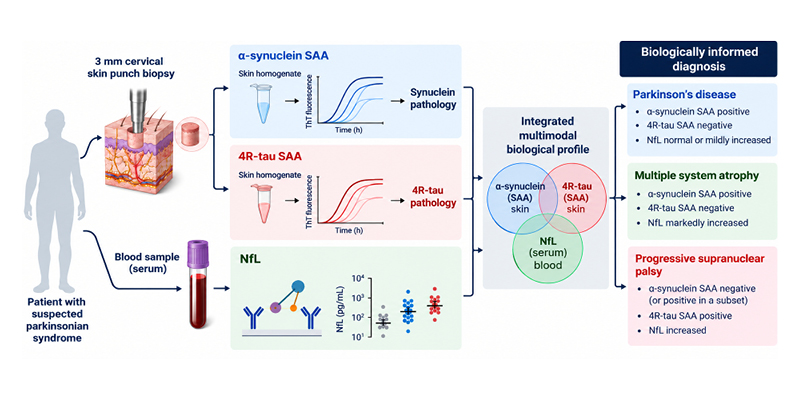
Figure 1: Multimodal biomarker approach to neurodegenerative parkinsonism.
A 3 mm cervical skin punch biopsy is used to assess α-synuclein and 4R-τ seeding activity using SAAs, while serum NfL provides a complementary marker of neuroaxonal injury. Integrating these biomarkers supports the biological differentiation of PD, MSA, and PSP. The illustrated biomarker profiles are representative rather than absolute, as mixed pathology and overlapping biomarker patterns can occur.
zi 4R-τ: 4-repeat tau; h: hours; MSA: multiple system atrophy; NfL: neurofilament light chain; PD: Parkinson’s disease; PSP: progressive supranuclear palsy; SAA: seed amplification assay; ThT: thioflavin T.
WHAT CHALLENGE DOES THIS ADDRESS?
The central challenge is that a single positive molecular marker does not necessarily map one-to-one onto a clinical syndrome. Mixed neurodegenerative pathologies are common, particularly with increasing age, and co-pathology can complicate biological classification based on a single target.3,4 This is especially relevant in atypical parkinsonism, where early clinical distinction among PD, MSA, and PSP remains difficult. The three biomarkers in the authors’ study provide biologically distinct information: the SAAs report seeding competence of disease-associated α-synuclein or 4R-τ under defined assay conditions, whereas NfL reflects neuroaxonal injury rather than a specific proteinopathy. Their limited correlation is, therefore, biologically informative rather than a weakness. The value of multimodal testing lies not simply in adding tests, but in resolving complementary axes of pathology within the same patient.
RELEVANCE TO EUROPEAN CLINICAL PRACTICE
For European clinicians, the immediate implication is interpretative rather than a recommendation for routine adoption. α-synuclein SAA positivity should be considered evidence of detectable seeding activity, not proof that an alternative proteinopathy is absent; conversely, a negative result should not close the diagnostic question. A platform based on a single 3 mm cervical skin biopsy plus blood sampling could ultimately be attractive across European healthcare systems, because it is minimally invasive and potentially scalable beyond highly specialised centres. However, implementation will require inter-laboratory harmonisation, reproducible operating thresholds, and validation in representative clinical populations. These considerations are also important for European multicentre trials: pathology-specific biomarkers will confirm initial clinical diagnostic accuracy, but will also improve biological stratification, identify relevant co-pathology, and reduce heterogeneity without replacing expert phenotyping.
WHAT ARE THE NEXT STEPS FOR THE RESEARCH?
The priority now is prospective, multicentre, and longitudinal validation in patients presenting with genuine diagnostic uncertainty. The cohort was carefully phenotyped at expert centres, the study was cross-sectional, early-stage cases were relatively limited, and integrated-model thresholds were internally derived; performance in unselected clinic populations remains to be established and may be lower.1 Future work should establish transferable thresholds across laboratories, determine whether biomarker profiles predict progression or treatment response, and evaluate 4R-τ SAA across the broader spectrum of 4R-tauopathies, including corticobasal degeneration. Quantitative SAA approaches and strain-level α-synuclein signatures may further distinguish PD from MSA.1 Ultimately, the goal is not to replace clinical expertise, but to complement it with a multidimensional biological profile that can support diagnosis, trial stratification, and increasingly pathology-directed therapeutics.