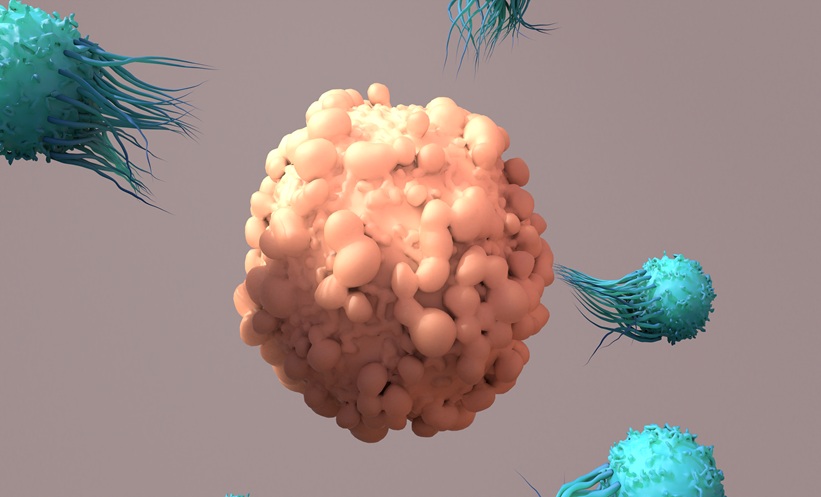
CONSENSUS guidance establishes rigorous clinical frameworks for managing cellular therapy and CAR T cells in autoimmune diseases. The recommendations address the urgent clinical challenge of treating patients who experience relentless organ progression despite multiple biologic regimens. Autologous hematopoietic cell approaches demonstrated proof of concept, yet chimeric antigen receptor platforms present a targeted method to deplete autoreactive lineages deep within lymph nodes and inflamed tissues. Investigators synthesized global clinical datasets across rheumatic, neurologic, and hematologic cohorts to establish clear benchmarks for patient eligibility, protocol timing, and proactive toxicity surveillance.
Candidate Selection for CAR T Cells in Autoimmune Diseases
Eligibility demands active, objectively verified pathology that places vital organs at imminent risk of permanent structural harm. Candidates must have documented refractoriness or severe intolerance to at least two conventional or biologic immunosuppressive lines administered at therapeutic dosages. In systemic lupus erythematosus, patients must exhibit persistent disease activity with organ involvement despite standard immunosuppressive regimens. Systemic sclerosis criteria necessitate progressive cutaneous or interstitial lung disease, while idiopathic inflammatory myopathies require active muscle or pulmonary inflammation resistant to glucocorticoids and secondary agents.
Clinicians must avoid selecting individuals with irreversible, end-stage fibrotic damage, non-inflammatory central pain disorders, or unmanaged systemic infections. Pharmacologic washouts require precise calibration prior to leukapheresis to ensure T-cell viability, ranging from brief pauses for antimetabolites to multi-month cessations for lymphocyte-depleting antibodies. Lymphodepleting conditioning, typically utilizing cyclophosphamide and fludarabine, promotes therapeutic cell expansion across all baseline counts, though dosage adjustments are imperative for patients with baseline renal impairment.
Monitoring Complications and Cellular Dynamics
Inpatient administration must occur within accredited cellular therapy facilities with close proximity to intensive care units. Clinicians must closely monitor recipients for cytokine release syndrome, immune effector cell-associated neurotoxicity syndrome, and delayed cytopenias. Multidisciplinary oversight is vital to identify local immune effector cell-associated toxicity syndrome, a focal inflammation arising within previously diseased organs during initial B-cell aplasia that requires targeted corticosteroid intervention rather than premature reintroduction of systemic immunosuppressants. Long-term registry reporting remains essential to track adaptive immune reconstitution and ensure durable safety.
Reference
Greco R et al. CAR T cells for autoimmune diseases: 2026 update of the EBMT-ISCT-JACIE practice harmonisation and consensus recommendations. Lancet Rheumatol. 2026;8:e888-907.