Abstract
Autoimmune diseases are clinically heterogeneous, and patients who share a diagnosis often diverge in outcome and drug response, yet conventional biomarkers capture only part of this variation. This feature article explores how metabolomics, the molecular readout closest to the phenotype, can strengthen precision medicine across diagnosis, prediction of therapeutic response, and mechanistic understanding, and introduces a conceptual framework, the Detect-Predict-Explain triad, for prioritizing the metabolic markers most worth advancing toward the clinic.
Key Points
1.Autoimmune diseases are clinically heterogeneous, and a substantial proportion of patients fail to respond to first-line therapies such as methotrexate, yet no validated biomarker predicts non-response before treatment begins.2.This feature article offers a forward-looking perspective on the role of metabolomics in autoimmune disease and proposes a conceptual framework, the Detect-Predict-Explain triad, that spans diagnosis, therapeutic-response prediction, and mechanistic understanding.
3.This feature article offers a forward-looking perspective on the role of metabolomics in autoimmune disease and proposes a conceptual framework, the Detect-Predict-Explain triad, that spans diagnosis, therapeutic-response prediction, and mechanistic understanding.
INTRODUCTION
Two children can carry the same diagnosis of juvenile idiopathic arthritis (JIA), attend the same clinic, and begin the same first-line drug, yet one may reach clinical remission within months, while the other quietly progresses toward joint damage and escalation to a biologic. Which child is which is rarely known in advance. This uncertainty is the defining clinical problem of autoimmune disease: not a shortage of therapies, but a shortage of ways to match the right patient to the right therapy at the right time. Autoimmune conditions are heterogeneous in their triggers, their trajectories, and their treatment responses, and conventional biomarkers, such as autoantibodies, acute-phase reactants, and single laboratory values capture only a narrow slice of that heterogeneity. Metabolomics offers a different vantage point. While genomics describe what could happen and transcriptomics and proteomics describe the intermediate machinery, the metabolome sits furthest downstream and is arguably the molecular layer closest to the phenotype, though it also reflects transient dietary and exogenous influences as much as disease biology itself. Metabolites integrate host genetics, immune activation, comorbidity, diet, and the gut microbiome into a single, dynamic chemical snapshot of the patient at a given moment.1 That immediacy is precisely what precision medicine in rheumatology has lacked. This article argues that metabolomics is maturing from a discovery tool into a translational discipline and proposes a simple framework, built around three converging functions, to assess which metabolic markers merit a path to the clinic (Figure 1).
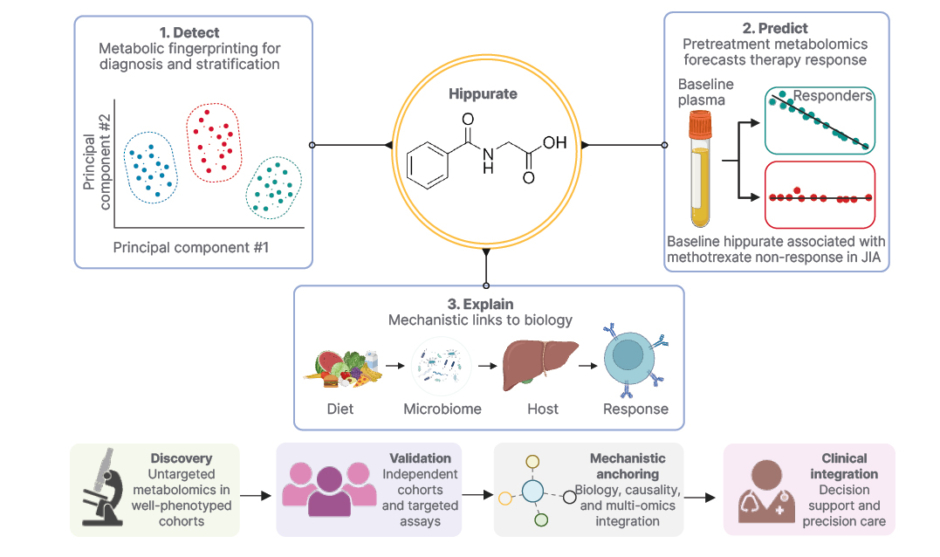
Figure 1: The DPE framework for metabolic biomarkers.
The three axes represent Detect, Predict, and Explain. A metabolite satisfying one axis is classified as a “lead,” one satisfying two axes as a “candidate,” and one satisfying all three axes as a “translational priority.” The schematic also traces the translational workflow from metabolite detection through independent validation and mechanistic
anchoring to clinical integration.
Created with BioRender.com.
DPE: Detect-Predict-Explain; JIA: juvenile idiopathic arthritis.
THE DIAGNOSTIC PROMISE AND ITS CEILING
The case for metabolic profiling as a diagnostic aid is increasingly compelling, though it currently rests on research cohorts rather than on assays validated for routine clinical use. Across rheumatoid arthritis (RA), systemic lupus erythematosus, and multiple sclerosis, disturbances in energy metabolism, amino acid handling, and lipid pathways reproducibly separate patients from healthy controls.2,3 More strikingly, metabolomics coupled with machine learning has begun to distinguish autoimmune diseases from one another. Analyses of large multi-disease cohorts have identified both shared inflammatory signatures and disease-specific fingerprints that can stratify patients into molecular subgroups that correlate with clinical features.4,5 In pediatric rheumatology, untargeted plasma profiling has revealed JIA-associated shifts, notably in sphingosine metabolism, which differentiates affected children not only from healthy peers, but from other inflammatory conditions.6
Yet the field has a translational ceiling that warrants honest acknowledgment. Most candidate metabolites are non-specific; many so-called biomarkers of autoimmune disease are really biomarkers of inflammation and struggle to survive the transition from a discovery cohort to a clinic that also includes infection, obesity, and medication effects.2 Results diverge across studies due to differences in sample matrices, analytical platforms, and populations, and the absence of harmonized collection and processing protocols remains a genuine barrier to reproducibility. A metabolic fingerprint that classifies disease is a scientific achievement; a metabolic test that changes clinical decisions at the bedside is a far higher bar, and few candidates have cleared it.
PREDICTING WHO WILL RESPOND
If diagnosis is where metabolomics has been, therapeutic prediction is where its near-term clinical value is greatest and the unmet need is most acute. Methotrexate remains the anchor disease-modifying antirheumatic drug in both RA and JIA, yet a substantial minority of patients derive no meaningful benefit, and there is currently no validated way to identify them before committing to an ineffective course of therapy for months. Each of those months is a window in which inflammation continues, and damage may accrue.
Pharmacometabolomics addresses this directly by asking whether the pretreatment metabolome encodes future response. In the author’s work in JIA, elevated baseline plasma hippurate, a gut microbial co-metabolite, was associated with methotrexate non-response, independent of disease activity, and microbially derived metabolites discriminated responders from non-responders.7 This is precisely the kind of signal precision medicine requires, measurable before the first dose, and pointing toward a biological explanation rather than a mere correlation. This finding, however, derives from a single-center, exploratory study in a modest cohort and requires independent, multicenter prospective validation before any clinical inference can be drawn.
The field should also learn from its disappointments. A rigorous RA lipidomics study set out to predict methotrexate response from pre- and early-treatment serum lipids, and found that a model built on routine clinical covariates outperformed the lipid-based classifier.8 The lesson is not that metabolomics failed, but that a predictive biomarker must outperform the cheap, available alternative to earn adoption. Enthusiasm for a molecular signal is not the same as demonstrated incremental value, and holding candidates to that standard is how the discipline earns clinical trust.
FROM MARKER TO MECHANISM
The deeper reason for optimism is that the metabolome is not only a mirror but a window; as one influential account put it, metabolomics is moving beyond biomarkers and toward mechanisms.1 Because metabolites are the biochemistry of disease, a metabolic association can yield a candidate pathway, not merely a candidate test. Immunometabolism has shown that activated lymphocytes rewire glycolysis, glutaminolysis, and lipid synthesis to fuel the autoimmune response, metabolic vulnerabilities that are themselves emerging as drug targets.2
Hippurate illustrates why mechanistic anchoring matters. It is not manufactured by the human genome in isolation; it is the product of a well-characterized biochemical pathway in which the gut microbiota metabolize dietary aromatic compounds to benzoic acid, which is then conjugated with glycine in the host to form hippurate (Figure 2).
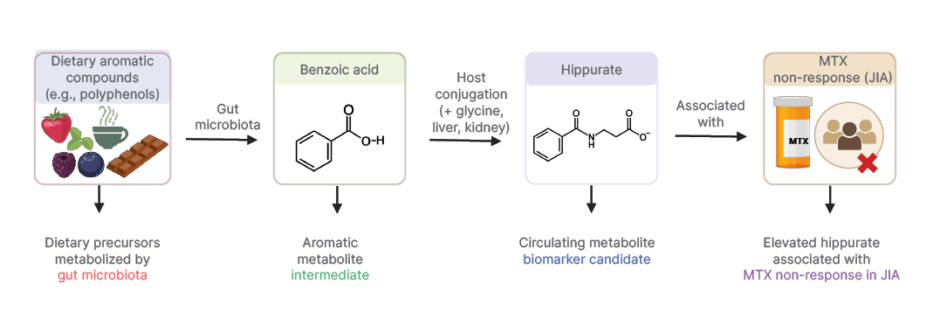
Figure 2: Biochemical cascade underlying hippurate formation.
Dietary aromatic compounds are metabolized by the gut microbiota to benzoic acid, which is absorbed and conjugated with glycine in the host (liver and kidney) to form hippurate. This microbiome-host pathway links diet and microbial composition to a circulating metabolite associated with MTX non-response in JIA.
Created with BioRender.com.
JIA: juvenile idiopathic arthritis; MTX: methotrexate.
An elevated hippurate signal, therefore, implicates the microbiome-host axis, and the gut microbiome is independently recognized as a determinant of methotrexate bioavailability and response.9 A marker that simultaneously predicts non-response and names a plausible, modifiable biological cause is more valuable than an unexplained statistical flag because it suggests not only which patients to treat differently, but also how to treat them. Mechanism is what converts a correlation into a hypothesis, and a hypothesis into a possible intervention.
A CONVERGENT FRAMEWORKFOR TRANSLATION
These three roles (diagnosis, prediction, and mechanism) are usually discussed separately. This article proposes treating them instead as three axes of a single question, so that the translational readiness of any metabolic marker is judged by its convergence across them. The framework, termed here the Detect-Predict-Explain triad, is proposed as a conceptual model rather than an empirically validated predictor of translational success; it holds that a metabolite’s claim on clinical utility plausibly grows in proportion to how many of these functions it serves at once (Figure 1):
- Detect: does it distinguish disease from health, or one disease subtype from another?
- Predict: does it forecast a clinically actionable outcome, such as treatment response, flare, or damage, and add value beyond existing clinical predictors?
- Explain: is it anchored in a coherent, ideally modifiable, biological mechanism?
A marker satisfying one axis is a lead; a marker satisfying two is a candidate; a marker satisfying all three is a translational priority. Convergence is proposed to reduce the risk of translational failure because the three axes fail in different ways. A purely diagnostic marker may be non-specific to inflammation, a purely predictive marker may be a fragile statistical artifact, and a purely mechanistic finding may never be measurable in a clinic. When the same metabolite clears all three, those independent failure modes must coincide for it to be spurious, a far less likely event.
Hippurate in JIA can be read as a worked example. It carries diagnostic-adjacent information about microbial-host metabolism, it predicts methotrexate non-response independent of disease activity, and it is mechanistically tethered to a modifiable gut-microbiome axis.7,9 That convergence is what makes it worth independent, multicenter prospective validation, rather than leaving it as one exploratory signal among hundreds.
The Detect-Predict-Explain triad also implies discovery of a maturation pathway, independent validation, mechanistic anchoring, and, finally, clinical integration; in the author’s view, the field has over-invested in the first stage and under-invested in the last two. The framework is offered less as a finished model than as a deliberate prompt for discussion. If convergent markers were prioritized, the collective pipeline would arguably look different. The triad’s own predictive value is itself a hypothesis to be tested rather than a validated metric.
THE ROAD AHEAD
Realizing this vision requires unglamorous but decisive work. Harmonized standards for sample collection, processing, and reporting are the precondition for reproducibility, and the field cannot mature without them.2 Longitudinal profiling tracking the metabolome through flare, remission, and treatment change, rather than at a single time point, would turn static snapshots into dynamic trajectories. Integration with genomics, proteomics, and microbiome data would provide the specificity that metabolites alone often lack, and machine learning will be essential for interpreting these high-dimensional, multi-omic signals.4 Pediatric populations, such as JIA, deserve particular attention. Children have shorter exposure histories and fewer comorbidities than adults, and thus comparatively uncluttered metabolic backgrounds, yet pediatric metabolomics remains less developed than its adult counterpart and still calls for age- and sex-specific reference ranges and standardized workflows.10
Several practical requirements will determine whether this reaches the clinic. Metabolite measurements are highly sensitive to pre-analytical variability in sample collection, handling, and storage, and even modest inconsistencies can obscure disease-related signals. Untargeted discovery platforms, which survey many features at once, must ultimately give way to targeted, quantitative assays with defined precision and reference ranges for the specific markers being advanced. As with any laboratory test, candidate biomarkers will require standardization and independent, multicenter analytical validation before they can support bedside decision-making.
The ultimate ambition is to move from association to intervention. If microbial co-metabolites such as hippurate genuinely shape drug response, then dietary or microbiome-targeted strategies to modulate them might become testable adjuncts to therapy: precision medicine that adjusts not only the drug selected but also the metabolic terrain into which it is delivered. This is a prospective, untested hypothesis, offered to motivate future experiments rather than to guide current practice. But it is the kind of hypothesis that metabolomics, uniquely among the omics, is positioned to generate and eventually test. The task ahead is to hold candidate markers to a convergent standard, and to build the infrastructure that allows the best of them to reach the children and adults still waiting for a therapy chosen with confidence rather than hope.