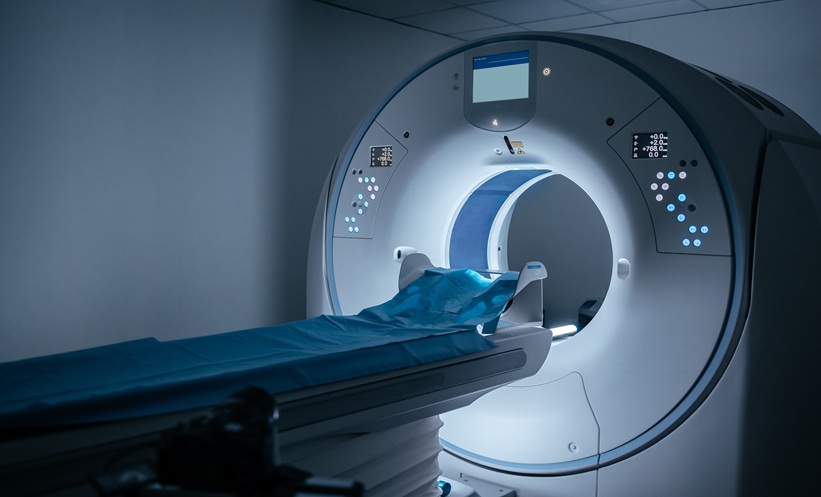
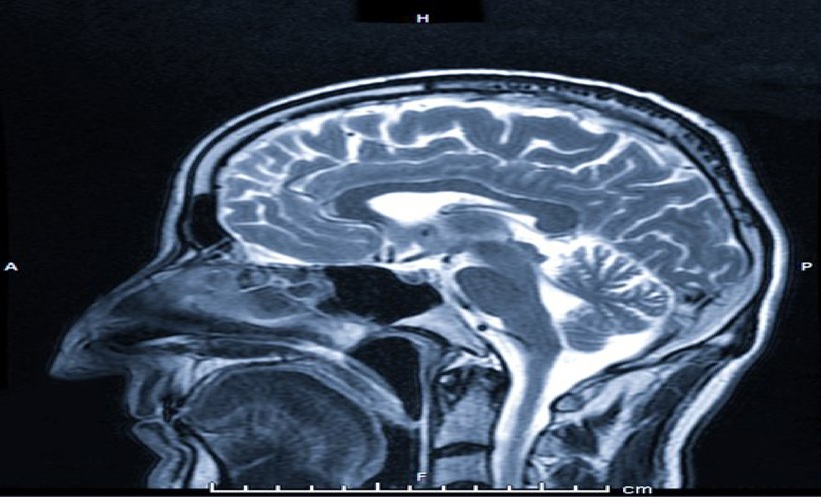
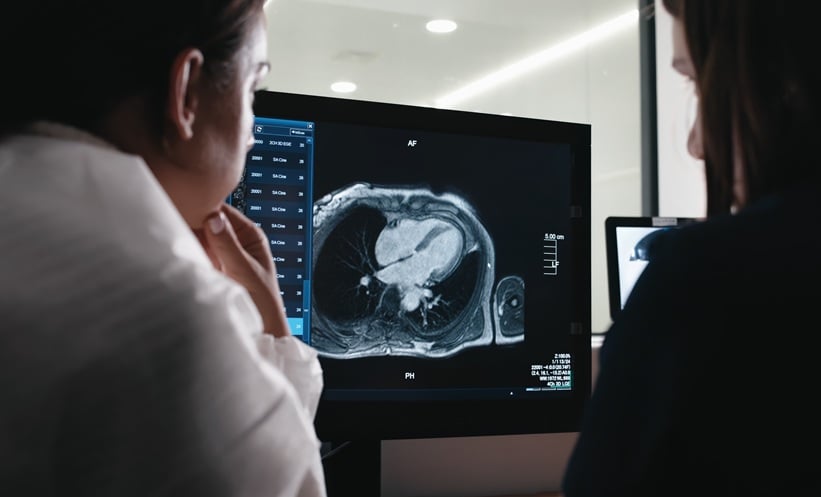
Placenta accreta spectrum (PAS) could be predicted more accurately using MRI radiomics enhanced by deep learning-based super-resolution reconstruction, according to a multicentre study.
Combining the reconstructed images with clinical features produced the strongest predictive performance, including when distinguishing invasive forms of the condition.
Improving MRI Radiomics for Placenta Accreta
The study included 245 patients who underwent placental MRI at three institutions. Researchers applied a generative adversarial network to produce super-resolution T2-weighted images (SRT2WI), then developed radiomics models using conventional T2-weighted images, reconstructed images, and reconstructed images combined with clinical features.
Models were evaluated using training, internal validation, and two external validation cohorts. Their performance was assessed against MRI diagnoses made independently by two radiologists.
Combined Models Show Strong Predictive Performance
For PAS prediction, the combined SRT2WI-clinical model achieved area under the curve (AUC) values of 0.953 in the training cohort, 0.887 in internal validation, and 0.793 and 0.788 in the two external validation cohorts. These values were higher than those achieved by the conventional T2-weighted image and SRT2WI models across all four cohorts.
Researchers also assessed the models’ ability to identify invasive PAS. The combined model achieved higher AUCs than the conventional T2-weighted image model in the training, internal validation, and first external validation cohorts. However, this difference was not statistically significant in the second external validation cohort.
Calibration curves showed good agreement between predicted and observed probabilities, while decision curve analysis favoured the combined model in terms of clinical net benefit. Researchers also used SHAP values to quantify the contributions of individual features to model predictions.
Further Validation Needed Before Clinical Use
The findings suggest that combining deep learning-based super-resolution with radiomics and clinical information could improve MRI-based prediction of PAS and its invasive forms. Researchers noted that the approach showed potential to support prenatal diagnosis and treatment planning.
However, the study had limitations. The number of cases in the external validation cohorts was relatively small, and some comparisons between models did not reach statistical significance.
Researchers highlighted the need for further evaluation before the approach can be established in clinical practice.
Reference:
Yang C et al. Deep learning super-resolution enhances MRI radiomics for predicting placenta accreta spectrum and invasiveness. Eur J Radiol. 2026; DOI: 10.1016/j.ejrad.2026.113268.