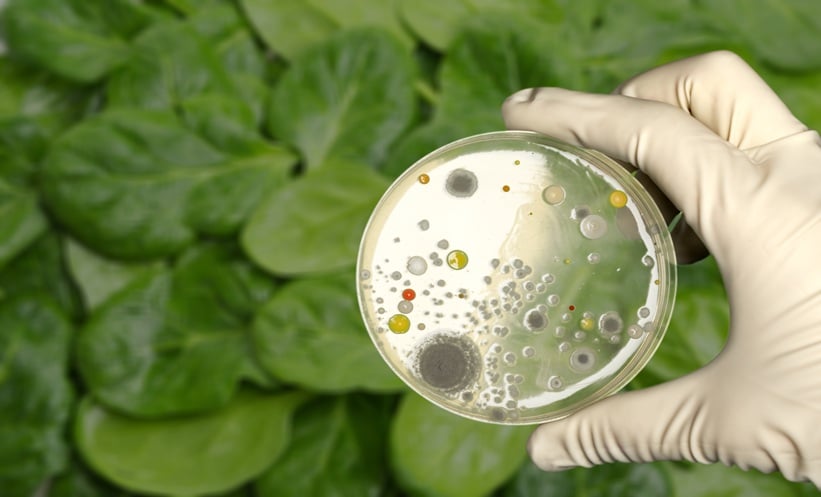
RECENT surveillance analyses and 2026 outbreak investigations highlight four everyday foods driving severe foodborne illness risks. While enteric infections are common across the U.S., specific raw and minimally processed items carry disproportionate morbidity for young children, older adults, pregnant individuals, and immunocompromised patients.
Melons and Precut Produce Drive Severe Foodborne Illness Risks
A 10-year federal surveillance analysis covering 2012 through 2021 identified 18 multistate and single-state outbreaks linked to melons, resulting in 821 illnesses, 251 hospitalizations, and 10 deaths. Cantaloupe accounted for 53% of the 17 nontyphoidal Salmonella outbreaks and 61% of total illnesses, largely because its netted rind traps bacteria and its low-acid flesh supports rapid microbial growth. Precut melons were implicated in 67% of outbreaks with known processing data, as slicing transfers surface pathogens into edible flesh. Adults aged 75 years and older represented 18% of patients, while children under five accounted for 13%, underscoring the vulnerability of extreme age groups to invasive salmonellosis and listeriosis caused by Listeria monocytogenes.
Raw Shellfish Remain Major Vectors for Norovirus and Vibrio
Filter-feeding bivalves concentrate coastal pathogens from surrounding estuarine waters. Quantitative risk modeling estimates that raw oysters cause approximately 60,255 U.S. cases of norovirus annually, with infection risk peaking during winter months when viral shedding in municipal wastewater rises and colder temperatures slow viral inactivation. Bacterial hazards compound these foodborne illness risks. Foundational Centers for Disease Control and Prevention modeling estimates roughly 52,000 domestically acquired foodborne Vibrio infections each year, predominantly from raw or undercooked shellfish. Although Vibrio parahaemolyticus accounts for most cases, Vibrio vulnificus carries a 91.3% hospitalization rate and a 34.8% mortality rate. Confirming ongoing risk, an active CDC investigation in October 2026 linked raw oysters to 28 Salmonella infections and five hospitalizations across 13 states.
Raw Sprouts Continue to Trigger Multistate Outbreaks in 2026
Warm, humid germination conditions make raw sprouts ideal incubators for enteric pathogens. In late 2026, CDC and regulatory partners closed two major multistate investigations traced via whole genome sequencing to contaminated seed lots. An alfalfa sprout outbreak sickened 77 people across 16 states with Shiga toxin-producing Escherichia coli and Salmonella Agona, while a separate broccoli sprout outbreak caused 34 Salmonella Bovismorbificans infections across six states. Clinicians should counsel high-risk patients to avoid raw sprouts, raw oysters, unheated deli meats, and precut melons to mitigate preventable foodborne illness risks.
Reference
Canning M et al. Outbreaks Linked to Melons, United States, 2012-2021. J Food Prot. 2025;88:100536.
Pouillot R et al. Risk Assessment of Norovirus Illness from Consumption of Raw Oysters in the United States and in Canada. Risk Anal. 2022;42(2):344-369.
Scallan E et al. Foodborne Illness Acquired in the United States—Major Pathogens. Emerg Infect Dis. 2011;17(1):7-15.