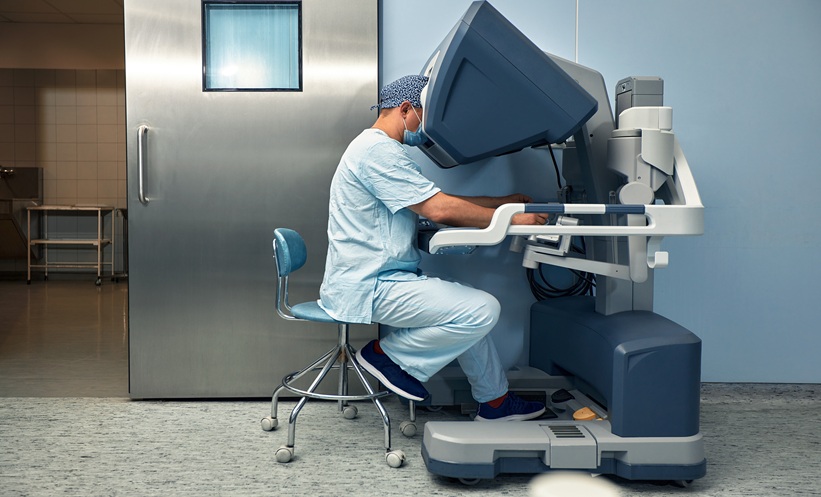
FUNCTIONAL recovery after prostatectomy remains a significant priority for patients, with 89% reporting postoperative erectile dysfunction and 39% experiencing urinary incontinence following robot-assisted radical prostatectomy, according to a cross-sectional survey of 214 patients.
The findings highlighted patient interest in corrective surgical interventions and the importance of incorporating individual preferences into postoperative rehabilitation strategies.
Functional Recovery After Prostatectomy Assessed
Researchers investigated patient perceptions of erectile and urinary function following robot-assisted radical prostatectomy, alongside willingness to undergo surgical rehabilitation.
Participants were identified from a single-centre prostate cancer database and completed questionnaires between April and September 2025.
The mean participant age was 65 years, and 67% had undergone nerve-sparing surgery.
At a mean follow-up of 21 months (range: 2–77 months), patients completed assessments of sexual and urinary recovery after receiving standardised information about penile prosthesis and artificial urinary sphincter implantation.
Erectile function was evaluated using the five-item International Index of Erectile Function, alongside questionnaires exploring recovery priorities and attitudes towards corrective surgery.
Erectile Dysfunction Remains a Major Patient Concern
Overall, 89% of surveyed patients reported postoperative erectile dysfunction, with a mean International Index of Erectile Function score of seven.
Questionnaire assessments indicated that 93% experienced mild-to-severe erectile dysfunction.
Patients rated the importance of erectile function recovery at an average of eight out of 10, highlighting its significance following prostate cancer surgery.
Among patients with erectile dysfunction, 15% expressed interest in penile prosthesis implantation.
Younger men were significantly more likely to consider this surgical intervention (p<0.001).
Interestingly, older men who expressed willingness to undergo implantation reported higher interest scores, reaching nine out of 10.
However, differences in interest scores across age groups were not statistically significant (p=0.33).
Urinary Continence and Individualised Surgical Rehabilitation
Patients rated their overall urinary continence at an average of seven out of 10, while 39% reported postoperative urinary incontinence.
Among those experiencing urinary incontinence, 19% expressed willingness to undergo artificial urinary sphincter implantation.
Unlike interest in penile prosthesis surgery, willingness to consider artificial urinary sphincter implantation did not differ significantly across age groups.
These findings highlighted the importance of discussing available surgical rehabilitation options with patients experiencing persistent functional difficulties following prostatectomy.
However, the single-centre, cross-sectional design limits generalisability, and expressed willingness does not necessarily translate into subsequent surgical uptake.
Overall, the study underscored the importance of individualised counselling and shared decision-making in postoperative care, particularly when addressing erectile dysfunction, urinary incontinence and patient expectations surrounding functional recovery.
Reference
Mastroianni R et al. Functional recovery after robot-assisted radical prostatectomy: a patient-centred perspective. J Robot Surg. 2026;20(1224).