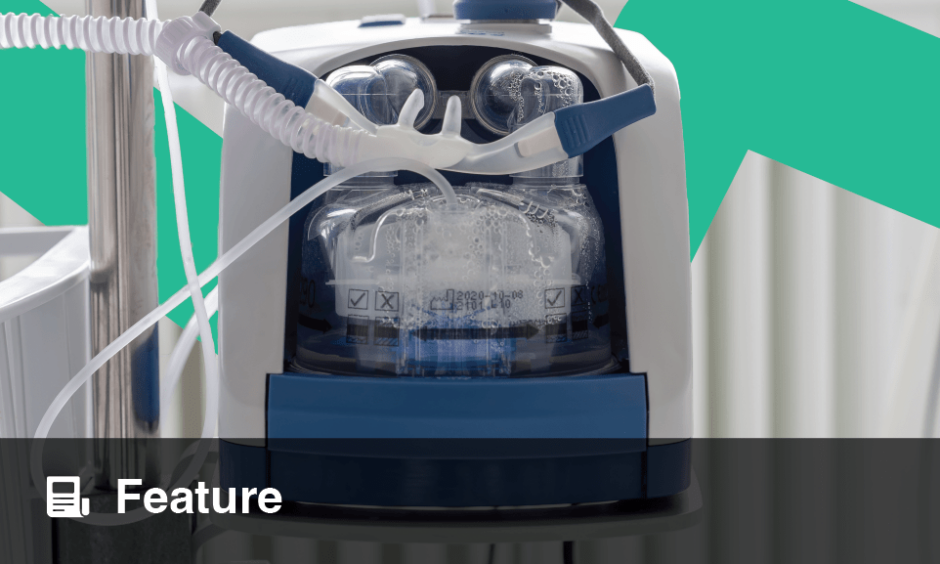
HIGH-FLOW nasal oxygen therapy (HFNOT) did not improve recovery outcomes in patients undergoing cardiac surgery, according to a large randomised clinical trial involving more than 1,200 adults.
HFNOT is widely used as a form of non-invasive respiratory support following surgery, particularly in patients considered at high risk of pulmonary complications. However, until now, robust evidence supporting its routine use has remained limited.
High-Flow Nasal Oxygen Therapy Fails to Improve Outcomes
In this multicentre, adaptive trial conducted across 17 cardiac surgery centres, researchers evaluated whether prophylactic HFNOT offered benefits over standard oxygen therapy (SOT) when initiated immediately after extubation. The study included 1,280 patients with established risk factors such as chronic obstructive pulmonary disease, asthma, obesity, or a history of smoking.
Patients were randomised to receive either HFNOT or SOT for at least 16 hours postoperatively. The primary outcome measured was days alive and at home within 90 days (DAH90), accounting for any need for increased respiratory support.
Results showed no meaningful difference between groups. Median DAH90 was 0 days in both cohorts (median difference: 0; 95% CI: 0–0; p=0.75), indicating that HFNOT did not improve recovery time or reduce the need for additional support. Secondary outcomes mirrored these findings, with no significant clinical advantages observed.
Implications for Clinical Practice and Future Research
These findings challenge the routine use of HFNOT after cardiac surgery, particularly given its resource implications. Despite theoretical benefits, such as improved oxygenation and reduced work of breathing, the study demonstrated no measurable impact on patient-centred outcomes.
Importantly, the trial was large, well-designed, and included blinded outcome assessment, strengthening confidence in the results. However, the authors noted that the study focused on prophylactic use in a specific high-risk population, and benefits in other clinical contexts cannot be excluded.
For clinicians, the results suggest that SOT remains an appropriate and effective option for postoperative care in most patients following cardiac surgery. Future research may explore whether targeted use of HFNOT in selected subgroups, rather than routine application, could yield benefits.
Overall, the study provides important clarity in an area of ongoing uncertainty, highlighting the need for evidence-based adoption of respiratory support strategies in surgical care.
Reference
Litton E et al. High-flow nasal oxygen therapy after cardiac surgery: a randomized clinical trial. JAMA Netw Open. 2026;DOI:10.1001/jamanetworkopen.2026.5447.
Featured image: Asier on Adobe Stock
- Author: