CARDIOVASCULAR disease (CVD) remains the leading cause of death worldwide, and identifying people at increased risk before symptoms appear is a major public health priority.
New research suggests that two simple measurements – a waist-to-height ratio (WHtR) and systolic blood pressure (SBP) – could provide an effective, low-cost way to predict future CVD in middle-aged and older adults.
Predicting Cardiovascular Disease Risk
The prospective cohort study analysed 6,770 adults aged 45 years and older from the China Health and Retirement Longitudinal Study (CHARLS) who had no history of CVD at baseline. Researchers followed participants for seven years to investigate whether combining WHtR and SBP measurements could improve CVD risk assessment.
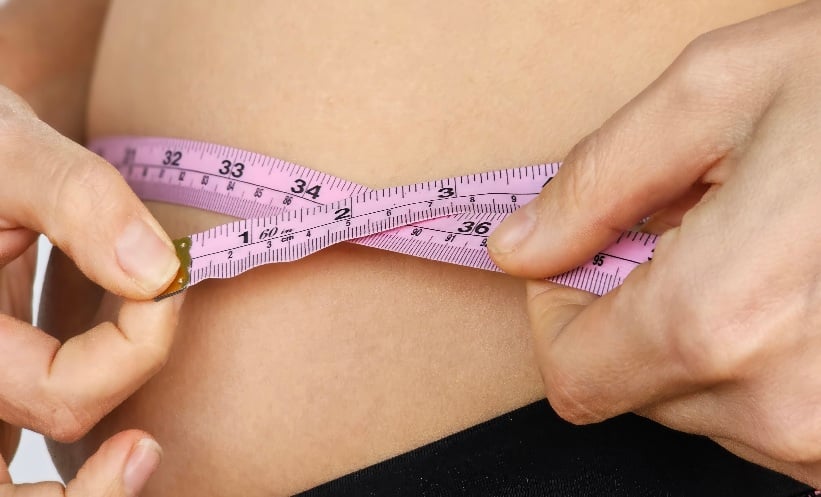
WHtR is calculated by dividing waist circumference by height and is increasingly recognised as a marker of central obesity. Unlike body mass index, it reflects the accumulation of abdominal fat, which has been closely linked to cardiovascular and metabolic disorders.
During follow-up, 1,384 participants experienced a cardiovascular event. Individuals with an elevated WHtR alone had a 27.1% higher risk of developing CVD compared with those with normal measurements (hazard ratio [HR]: 1.271; 95% confidence interval [CI]: 1.111–1.455). Elevated SBP alone was associated with a 39.2% increased risk (HR: 1.392; 95% CI: 1.240–1.564).
Combined Elevations Drove the Highest Risk
The greatest risk was observed among participants with both elevated WHtR and elevated SBP. This group experienced a 68.2% higher risk of incident CVD compared with individuals whose measurements remained below both thresholds (HR: 1.682; 95% CI: 1.417–1.996).
Importantly, the findings remained consistent after adjustment for a range of sociodemographic, lifestyle, and metabolic factors. The association also persisted across multiple subgroup and sensitivity analyses, suggesting the relationship was robust.
A Simple Tool for Community Screening
One of the study’s most notable findings is its potential applicability in community settings. Traditional cardiovascular risk assessments often rely on blood tests and specialised healthcare infrastructure, which may not be readily available in all regions.
In contrast, WHtR and SBP require only a tape measure and a blood pressure monitor. Researchers suggest that combining these measurements could offer a practical approach for identifying individuals at elevated CVD risk, particularly in resource-limited settings where laboratory testing is less accessible.
Implications for Prevention Efforts
The study highlights the growing importance of central obesity alongside hypertension in CVD prevention. The findings suggest that simple anthropometric and blood pressure measurements may help healthcare providers identify high-risk individuals earlier and target preventive interventions more effectively.
Further studies will be needed to determine whether this combined screening strategy improves cardiovascular outcomes in broader populations.
However, the findings indicate that two readily available measurements may provide valuable insight into future CVD risk without the complexity or cost of conventional testing.
Reference
Wang J, Liu X. Association of combined waist-to-height ratio and systolic blood pressure categories with incident cardiovascular disease in middle-aged and older adults. Sci Rep. 2026;DOI:10.1038/s41598-026-55572-z.
Featured image: Nadzeya on Adobe Stock
- Author: