NEW evidence suggests that rosacea oxidative stress may be closely linked to dietary antioxidant intake, raising clinically relevant questions about nutrition as an adjunct consideration in rosacea management.
Antioxidant Intake and Rosacea Oxidative Stress
In a prospective case–control study, researchers evaluated dietary total antioxidant capacity (DTAC) and systemic oxidative stress markers in patients with rosacea compared with healthy controls. The study included 51 adults with rosacea and 46 controls, assessing dietary intake alongside serum measures of oxidative balance.
Patients with rosacea had significantly lower DTAC values than controls, with mean values of 6.95 ± 1.98 compared with 11.55 ± 4.77 in controls (p < 0.001), indicating a reduced overall antioxidant intake from food. In parallel, systemic antioxidant defences were diminished, with lower serum total antioxidant capacity (TAC), while markers of oxidative burden, including total oxidant capacity (TOC) and the oxidative stress index (OSI), were markedly higher.
Disease Subtype Differences Matter
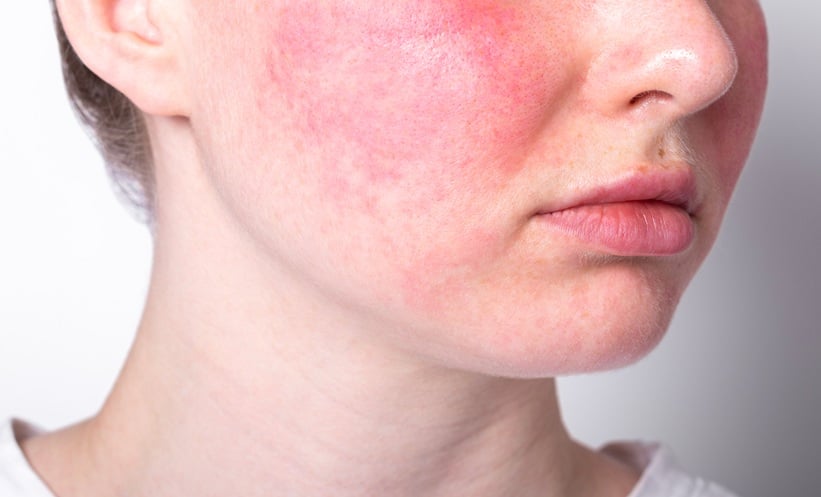
Importantly for clinicians, the study found variation in rosacea oxidative stress across subtypes. Patients with papulopustular rosacea exhibited significantly higher TOC and OSI levels than those with erythematotelangiectatic disease. This suggests oxidative stress may not only be involved in rosacea pathophysiology but could also relate to inflammatory burden and clinical phenotype.
While rosacea is recognised as a multifactorial condition involving vascular dysregulation, immune activation and environmental triggers, oxidative stress has increasingly been proposed as a contributing mechanism. Reactive oxygen species may amplify inflammation, impair barrier function and worsen cutaneous symptoms.
What Does This Mean for Clinical Practice?
The authors caution that the study’s cross-sectional design, modest sample size and short dietary recall period limit causal interpretation. However, the consistent association between lower dietary antioxidant capacity and higher systemic oxidative stress supports further exploration of nutritional factors in rosacea.
For clinicians, these findings do not justify recommending antioxidant supplements as a treatment. Instead, they reinforce the value of broader lifestyle discussions, particularly around diet quality. Encouraging patients to adopt a balanced, antioxidant-rich diet, emphasising fruits, vegetables, whole grains and plant-based foods, may complement established therapies without replacing evidence-based medical management.
Looking Ahead
Further longitudinal and interventional studies are needed to clarify whether modifying dietary antioxidant intake can meaningfully influence rosacea oxidative stress, symptom severity or treatment response. Until then, this study adds to a growing body of evidence linking systemic oxidative imbalance with inflammatory skin disease, offering a biologically plausible avenue for holistic patient counselling.
Reference
Aktaş E et al. Evaluation of dietary antioxidant capacity and systemic oxidative stress in patients with rosacea: a case-control study. Arch Dermatol Res. 2026;318:50.