THE US Food and Drug Administration has cleared for marketing the first over-the-counter continuous glucose monitor (CGM) for children.
The device is an integrated CGM for people two years of age and older who do not use insulin.
It was previously approved for people aged 18 years and older in March 2024.
Michelle Tarver, Director, Center for Devices and Radiological Health, Maryland, USA, said: “Children deserve access to the best tools available to manage their health.
“Today’s clearance reflects the FDA’s commitment to fostering innovation for paediatric patients and supporting the safe and effective use of medical devices where children live, learn, and play.”
Prediabetes in Children in the USA
Prediabetes is increasingly impacting children in the USA, putting millions at heightened risk for progressing to Type 2 diabetes.
Over-the-counter CGMs can play a key role in addressing this public health concern for paediatric users who do not use insulin.
In providing real-time glucose data, the device can help paediatric patients and their caregivers build greater glycaemic awareness, track patterns in response to meals and exercise, and make informed adjustments to support healthier long-term outcomes and quality of life.
The Device
The product is indicated for children, including those with diabetes, who receive oral medication to manage their condition and people who want to understand how diet, exercise, and other lifestyle changes affect their glucose levels.
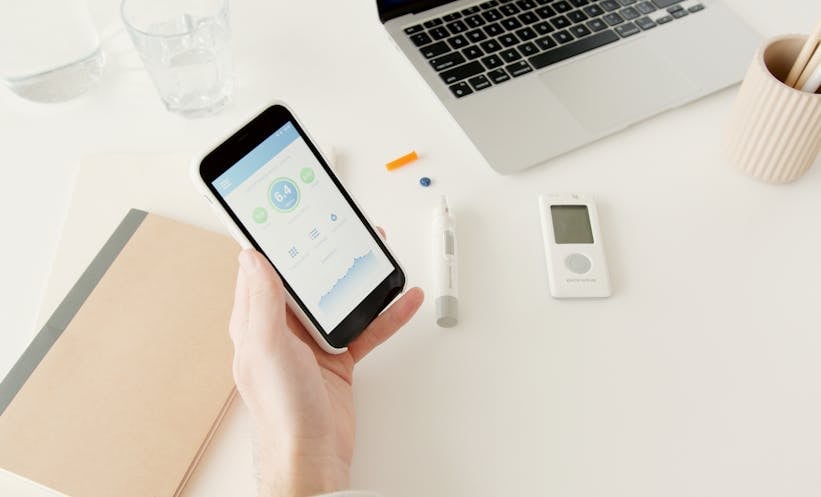
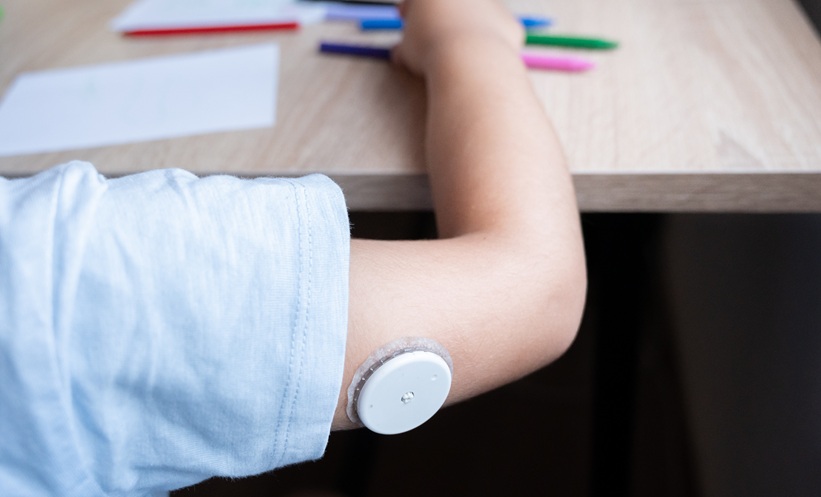
It uses a wearable sensor, paired with an application installed on a compatible smartphone, or other smart device, such as a parent’s or caregiver’s smartphone, to continuously measure, record, analyse and display glucose values.
Each sensor lasts for up to 15 days before it must be replaced, although sensor wear time may be shorter in paediatric users than in adults due to several interconnected physiological and behavioural factors.
The app displays glucose measurements and trends every 15 minutes.
Users and their caregivers should consult their health care provider before making any medication adjustments based on the device’s output, the FDA has reported.
Featured image: martenaba on Adobe Stock
- Author: