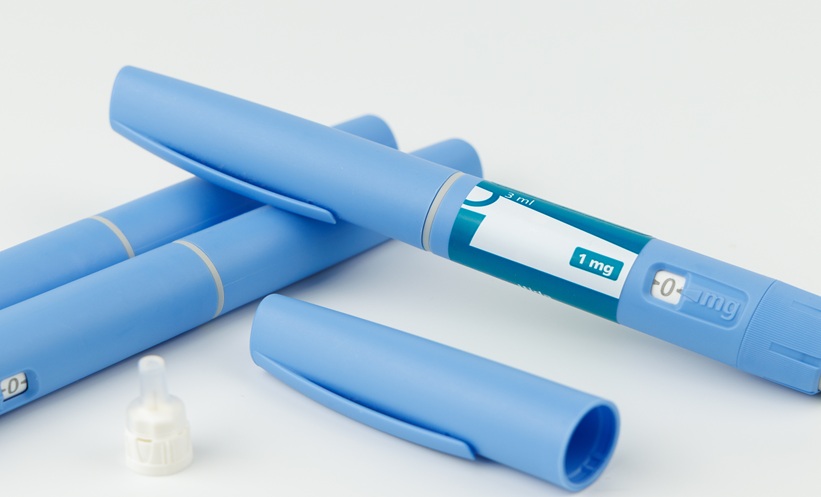
GLP-1 use after breast cancer diagnosis was associated with improved overall survival among patients with type 2 diabetes (T2D) in a retrospective cohort study examining post diagnosis exposure and mortality outcomes. The study investigated whether GLP-1 receptor agonists (GLP-1RA) influenced survival among women with T2D and breast cancer, with findings suggesting a lower risk of overall mortality among exposed patients.
GLP-1 Exposure and Survival Outcomes
Researchers conducted a single institution, propensity score matched, 2 year landmark retrospective study involving women with T2D who were diagnosed with breast cancer at City of Hope between 2009 and 2025. Patients were categorised according to whether they had post diagnosis exposure to GLP-1RA.
The analysis included 226 matched pairs. Patients were compared using statistical methods including t tests for continuous variables, chi square tests for categorical variables, multivariable Cox proportional hazards models for overall mortality risk, and Kaplan–Meier survival analysis.
Mortality Risk Findings
The data were associated with a lower risk of overall mortality among patients exposed to GLP-1RA. During follow up, there were 47 deaths, including 30 deaths among patients without exposure and 17 deaths among patients with exposure.
Multivariable analysis showed that GLP-1RA exposure was associated with a reduced overall mortality risk (hazard ratio: 0.51; 95% CI: 0.28–0.93; p=0.03). A sensitivity analysis limited to patients with stage I to III disease showed similar findings (hazard ratio: 0.45; 95% CI: 0.23–0.85; p=0.03).
Kaplan–Meier survival analysis also demonstrated an association between GLP-1RA exposure and increased overall survival (log-rank p=0.02).
Future Clinical Considerations
The findings suggested that GLP-1RA use after breast cancer diagnosis may be associated with improved overall survival among patients with T2D. However, the study assessed all cause mortality and did not distinguish between cancer-specific and non-cancer causes of death.
Further investigation will be needed to better understand the relationship between GLP-1RA exposure, breast cancer outcomes, and mortality patterns.
Reference
Nelson RA et al. GLP-1 receptor agonist use and overall survival among women with type 2 diabetes and breast cancer: a retrospective cohort study. Oncologist. 2026;oyag268.
Featured Image: Shutterly on Adobe Stock