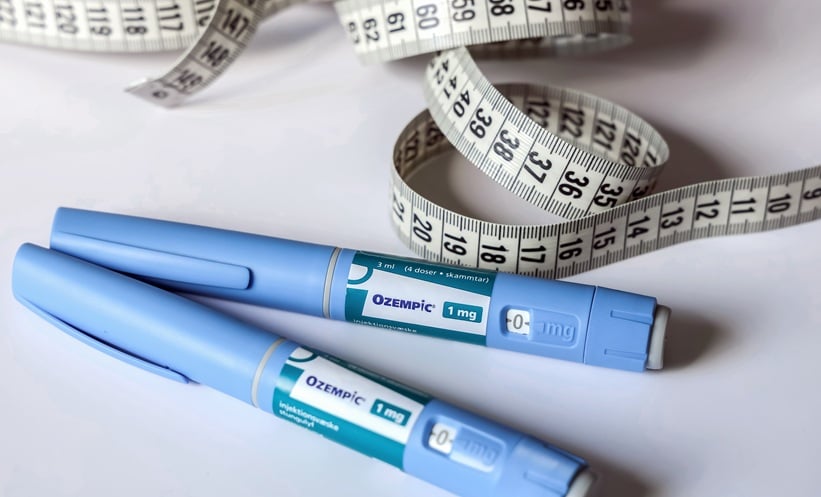
GLUCAGON-LIKE peptide-1 (GLP-1) receptor agonists use in patients with Type 2 diabetes is modestly associated with an increased rate of erectile dysfunction, a 2026 target trial emulation has found.
Inconsistent Evidence Around GLP-1s and Sexual Health Outcomes
The impact of GLP-1s on sexual health outcomes for men with Type 2 diabetes has reportedly been limited and inconsistent.
Erectile dysfunction has, however, been established as a prominent complication in the relevant demographic, affecting almost 50% of men with Type 2 diabetes across their lifetime.
The GLP-1 Cohort Versus the DPP4i Cohort
Researchers analysed electronic health records of men older than 18 with Type 2 diabetes in the USA, from January 2019 to September 2024.
Participants were starting treatment with either GLP-1s or dipeptidyl peptidase-4 inhibitors (DPP4i), with 4,910 and 5,524 people in the respective cohorts.
Men with a prior erectile dysfunction diagnosis or end-stage renal disease were excluded from the study population.
The mean age was 63-years-old, BMI was 32.8, 23% were Black, and 55% were White.
GLP-1 users were generally younger and had a higher prevalence of obesity compared to DPP4i users.
Higher Rate of Erectile Dysfunction in GLP-1 Users
Overall, the incidence of erectile dysfunction in the GLP-1 group was approximately 35 cases per 1,000 person-years.
This figure dropped to 28 per 1,000 person-years in the DPP4i cohort.
Hence, those in the GLP-1 cohort had around a 26% higher risk of developing erectile dysfunction over the 3-year follow-up period.
Results remained generally consistent across subgroups but, notably, the link was weaker and lost statistical significance after negative control outcome calibration.
Clinical Implications
Researchers said that the findings of the target trial emulation suggest that sexual health outcomes must be considered in men with Type 2 diabetes undergoing treatment with GLP-1s.
They also called for randomised trials with standardised erectile dysfunction assessments to further explore the association and investigate underlying biological pathways.
Furthermore, the authors warned that results should be interpreted cautiously: causation was not established and could be affected by biases.
References
Tang H et al. GLP-1 receptor agonist and risk of erectile dysfunction in men with Type 2 diabetes: a target trial emulation. EClinicalMedicine. 2026;DOI:10.1016/j.eclinm.2026.103857.
Parmar RS et al. Prevalence of erectile dysfunction in type 2 diabetes mellitus (T2DM) and its predictors among diabetic men. J Fam Med Prim Care. 2022;11:3875-3879.
Kouidrat Y et al. High prevalence of erectile dysfunction in diabetes: a systematic review and meta-analysis of 145 studies. Diabet Med. 2017;34:1185-1192.
Featured image: Nati on Adobe Stock
- Author: