THE FIRST meeting of the Emergency Committee regarding the epidemic of Ebola disease caused by Bundibugyo virus in the Democratic Republic of the Congo and Uganda, convened by the WHO Director-General under the International Health Regulations (IHR), will be held today at 17:30 CEST, during the 79th World Health Assembly.
This follows the Director-General, Dr Tedros Adhanom Ghebreyesus, announcing on 17th May that the outbreak constitutes a public health emergency of international concern (PHEIC) under the IHR.
500 Suspected Cases
The government of the DRC declared an outbreak of Ebola disease on 15th May, following confirmation of eight cases in the Ituri province.
As of today, Dr Anne Ancia, WHO Representative in the DRC, Bunia, DRC, reported that there have been more than 500 suspected cases, including 130 suspected deaths, notified by the Ministry of Health.
In the DRC, 30 cases have been confirmed.
Two imported cases have been confirmed in Uganda.
The US has reported that an American national has also been confirmed positive and subsequently transferred to Germany.
Dr Ancia said: “The situation is deeply concerning.
“This species of Ebola is one for which there is no licensed vaccine or treatment, though supportive care is lifesaving.
“It is occurring in a highly complex epidemiological, operational and humanitarian context—marked by insecurity, population displacement, and both densely populated and remote areas.
“There is significant uncertainty about the number of infections and how far the virus has spread.”
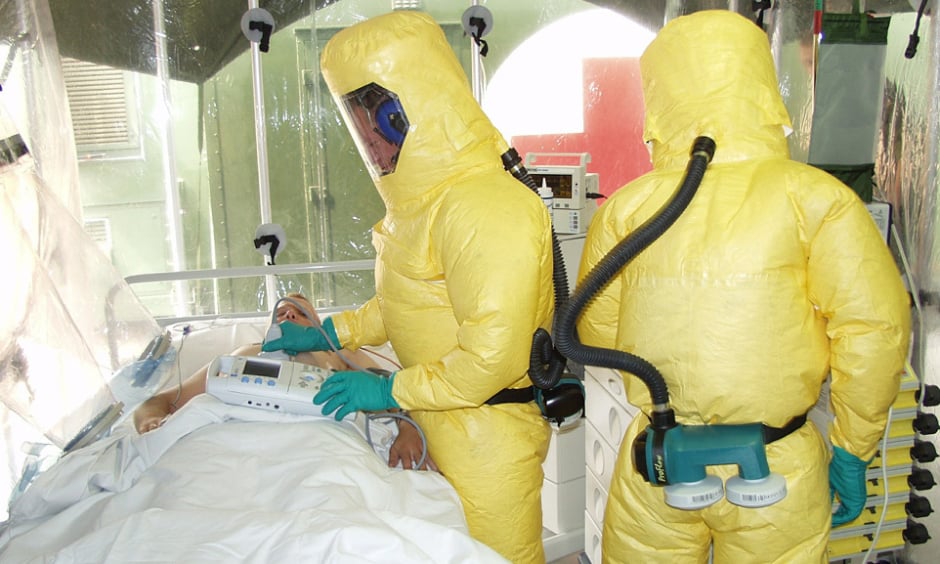
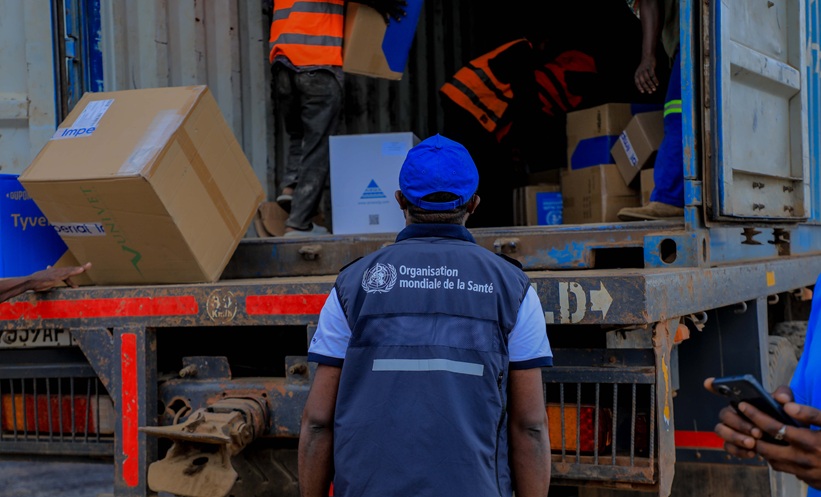
WHO have deployed experts, who are working in the field alongside national responders, and sent 12 tonnes of supplies, including PPE for frontline health workers.
The Red Cross Society of the Democratic Republic of Congo, supported by the International Federation of the Red Cross and Red Crescent Societies, was at the heart of the response.
Address to Member States at the World Health Assembly
Addressing the Member States at the summit in Geneva, Switzerland, the Director-General said: “This is the first time a Director-General has declared a PHEIC before convening an Emergency Committee.
“I did not do this lightly.”
Dr Ghebreyesus highlighted key factors driving concern for further infection and death.
Firstly, he pointed to the number of suspected cases, which will likely increase as surveillance and testing operations develop.
He also reported that urban areas have seen cases, including Kampala and the city of Goma, amid significant population movement due to conflict.
The Director-General said: “Over 100,000 people have been newly displaced, and in Ebola outbreaks, you know what displacement means.”
The third point of concern was that deaths have been reported among health workers, indicating healthcare-associated transmission.
Finally, Dr Ghebreyesus highlighted the issue of a lack of vaccines and therapeutics for Bundibugyo virus.
International experts have reported that vaccines for the previous strain of the virus cannot be used in the present response and two potential molecules were under investigation.
Dr Ancia concluded: “What I see here are people working together, while facing great uncertainty as to the scale and extent of this outbreak.”
The Emergency Committee will advise the Director-General on temporary recommendations to be issued to WHO and its Member States.
Featured image: World Health Organization
- Anna: