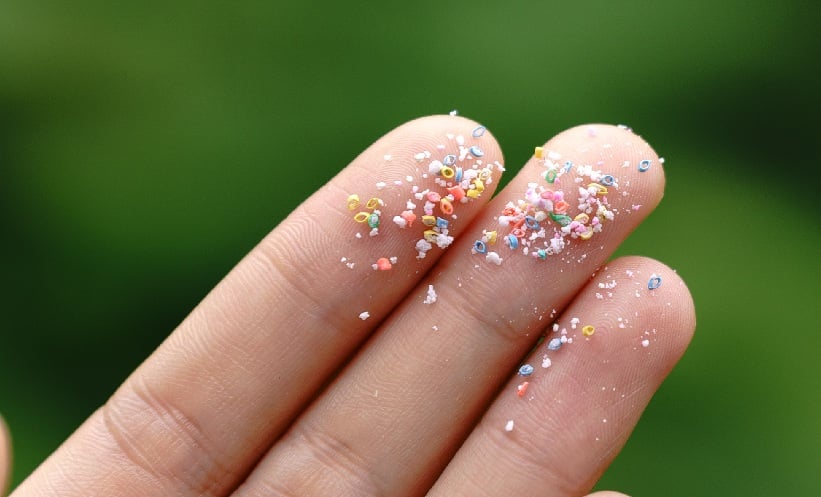
MICROPLASTICS were detected in 52 of 72 hepatocellular carcinoma (HCC) samples examined in a study investigating their potential impact on radiotherapy response.
HCC is the most common form of primary liver cancer, and radiotherapy is a standard-of-care treatment for patients with intermediate and advanced disease. However, treatment resistance remains common.
Researchers assessed whether different types of microplastics, which have been detected in various tumours and may affect immune responses, had a role in radiotherapy outcomes in HCC. Evidence on how microplastics affect radiotherapy had otherwise been previously limited.
PVC Microplastics in HCC Altered Tumour Immunity
The study found that multiple types of microplastics were present in HCC samples, but only polyvinyl chloride (PVC) affected the effectiveness of radiotherapy. The researchers reported that PVC altered cholesterol localisation within tumours and influenced CD8+ T cell differentiation.
These immune changes contributed to the maintenance of an immunologically cold tumour microenvironment, a state where immune activity against cancer cells is limited. The findings suggested that PVC infiltration could affect how tumours respond to radiotherapy.
Microplastics in HCC Linked to Cholesterol Metabolism Pathways
The researchers investigated the molecular mechanisms behind the findings and found that irradiation increased histone lactylation, which promoted production of HMG-CoA reductase in HCC cells. This process supported cholesterol synthesis and strengthened CD8+ T cell stemness.
A high-cholesterol diet restored CD8+ T cell stemness and improved the response to radiotherapy in PVC-infiltrated HCC models. The researchers suggested that targeting cholesterol metabolism could represent a potential combination approach to improve radiotherapy efficacy in PVC-infiltrated HCC.
Study Highlights Need for Further Investigation
The findings provided evidence that PVC microplastics may influence radiotherapy response in HCC, but the study did not establish that microplastics directly cause treatment resistance. Further research will be needed to clarify the clinical relevance of microplastic exposure and determine whether cholesterol metabolism-based strategies could support future therapeutic approaches.
The findings may also contribute to wider research into how environmental microplastic exposure could inform future public health discussions.
Reference
Zhang H et al. Polyvinyl chloride promotes radioresistance in hepatocellular carcinoma by inhibiting radiotherapy-induced CD8⁺ T cell differentiation. Nat Commun. 2026;DOI:10.1038/s41467-026-75415-9.
Featured image: Deemerwha studio on Adobe Stock