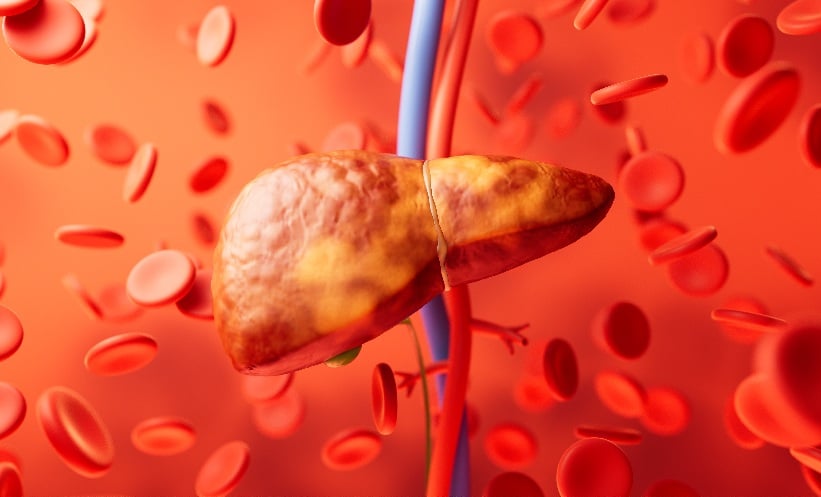
Steatotic Liver Disease Sits on a Spectrum
STEATOTIC liver disease (SLD) encompasses MASLD, metabolic and alcohol-related liver disease, and alcohol-related liver disease. Rather than representing discrete conditions, these subtypes frequently overlap, with alcohol exposure and cardiometabolic risk factors (CMRFs) jointly influencing disease progression.
Obesity, type 2 diabetes, hypertension and dyslipidaemia were highly prevalent across SLD subtypes, with most patients exhibiting multiple metabolic abnormalities. These factors could interact with alcohol exposure to accelerate fibrosis progression, cirrhosis and liver-related mortality, while also contributing to cardiovascular mortality.
Changing Risks Could Complicate SLD Classification
Alcohol consumption and metabolic risks could change throughout a person’s life, potentially moving patients between different parts of the SLD spectrum. Static diagnostic thresholds might therefore result in misclassification, delayed intervention and underestimation of disease burden.
Under-reporting of alcohol intake was highlighted as an additional challenge. A more robust assessment could combine structured alcohol-use reporting with standardised tools such as AUDIT-C and objective biomarkers, including phosphatidylethanol.
Non-invasive fibrosis assessment was also identified as an important component of risk stratification, alongside systematic evaluation of CMRFs and alcohol exposure. Together, these approaches could provide a more complete picture of an individual’s disease risk than subtype classification alone.
Multidisciplinary Care Could Better Reflect Real-World SLD
Management was described as requiring coordinated input from hepatology, endocrinology, addiction medicine, nutrition, primary care and cardiology. Care would need to address metabolic control, alcohol reduction, lifestyle change and fibrosis surveillance simultaneously.
The notes also identified a potential gap between emerging treatments and clinical practice. Pharmacotherapies targeting metabolic dysfunction-associated steatohepatitis have generally excluded people with concurrent alcohol use, meaning trial populations may not reflect the broader SLD spectrum.
Future research and clinical trials could therefore benefit from incorporating the overlapping nature of SLD and changing alcohol and metabolic risks. Repeated reassessment may offer a more practical framework for diagnosis, treatment and equitable access to effective therapies.
Reference
Younossi ZM et al. The dynamic spectrum of steatotic liver disease: the global perspective. Nat Rev Gastroenterol Hepatol. 2026;DOI:10.1038/s41575-026-01235-3.
Featured image: Vink Fan on Adobe Stock