Carbapenem-resistant Pseudomonas aeruginosa and Acinetobacter baumannii continue to pose a major threat to healthcare systems worldwide, with new research from Nepal highlighting the significant burden of multidrug resistance and the widespread presence of clinically important resistance genes among hospital isolates.
Published in BMC Microbiology, the study characterised the phenotypic and molecular mechanisms of carbapenem resistance in clinical isolates collected from a tertiary care hospital in central Nepal. Both pathogens are recognised by the World Health Organization as priority bacterial pathogens because of their role in healthcare-associated infections and their increasing resistance to multiple antibiotics.
High Levels of Multidrug Resistance Observed
Researchers analysed 59 bacterial isolates collected between April 2021 and December 2022, including 27 P. aeruginosa and 32 A. baumannii samples obtained from various clinical specimens.
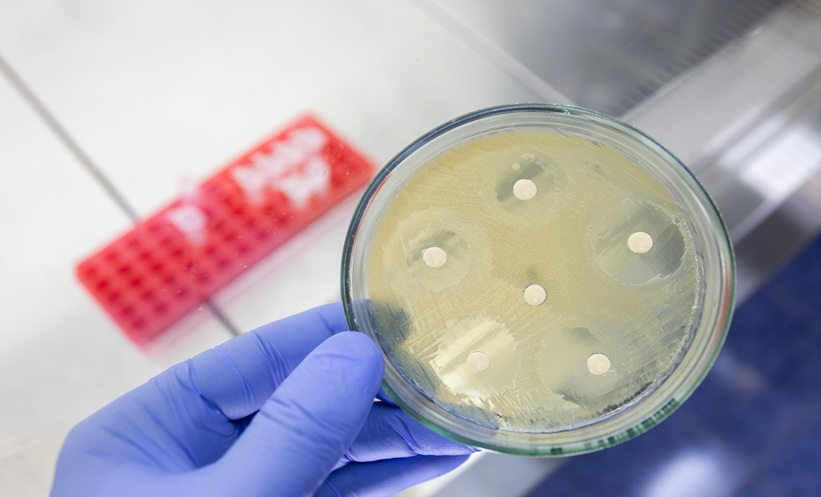
Antibiotic susceptibility testing revealed that 76.3% of isolates were multidrug resistant, while nearly two-thirds (63.0%) produced extended-spectrum beta-lactamases (ESBLs). Carbapenem resistance was identified in 62.7% of all isolates, underlining the considerable treatment challenges posed by these organisms.
Among the carbapenem-resistant isolates, more than three-quarters were found to produce metallo-beta-lactamases—enzymes that can inactivate carbapenem antibiotics—and over 70% carried at least one known carbapenem resistance gene.
Multiple Resistance Genes Identified
Molecular analysis identified several important resistance determinants in both bacterial species. The ESBL-associated gene blaCTX-M was the most frequently detected, occurring in 58.8% of P. aeruginosa isolates and 87.5% of A. baumannii isolates. The blaTEM gene was present in 29% of isolates from both species.
Among carbapenem-resistant P. aeruginosa, blaVIM-2 was the predominant resistance gene, detected in 58.3% of isolates. The researchers also identified blaNDM-1 and blaOXA-23, both of which are associated with resistance to last-line antimicrobial therapies.
Similarly, more than half of carbapenem-resistant A. baumannii isolates harboured blaOXA-23, while nearly one-third carried blaNDM-1. Several isolates contained combinations of resistance genes, including blaNDM-1, blaOXA-23, and blaOXA-58, potentially further limiting available treatment options.
Implications for Clinical Practice
The co-occurrence of multiple resistance mechanisms highlights the increasing complexity of treating infections caused by these pathogens. Carbapenem-resistant Gram-negative bacteria are associated with prolonged hospitalisation, increased healthcare costs, and poorer patient outcomes, particularly among critically ill patients.
The authors emphasise that routine antimicrobial resistance surveillance is essential for informing antibiotic stewardship programmes and guiding appropriate antimicrobial prescribing. Molecular characterisation of resistance genes may also help healthcare providers monitor the emergence and spread of particularly concerning resistance patterns within hospitals.
Supporting Ongoing Resistance Monitoring
While the study was conducted at a single tertiary care centre, the findings contribute to growing global evidence that carbapenem-resistant pathogens remain an urgent public health concern.
The researchers conclude that active surveillance of multidrug-resistant organisms and their resistance genes will be critical for improving infection control practices and supporting effective treatment strategies as antimicrobial resistance continues to evolve.
Reference
Syangtan, G., Khanal, L.K., Bista, S. et al. Phenotypic and molecular characterization of carbapenem resistance among clinical isolates of Pseudomonas aeruginosa and Acinetobacter baumannii. BMC Microbiol (2026). https://doi.org/10.1186/s12866-026-05377-x
- Author: