ACTIVE CDC Travel Health Notices highlight escalating Ebola risks in central Africa alongside global dengue, polio, and yellow fever. For U.S. clinicians conducting pre-travel consultations or evaluating febrile returning travelers, tracking these tiered risk advisories is essential for timely immunization, diagnostic triage, and hospital infection control.
Tiered Ebola Advisories in Central Africa
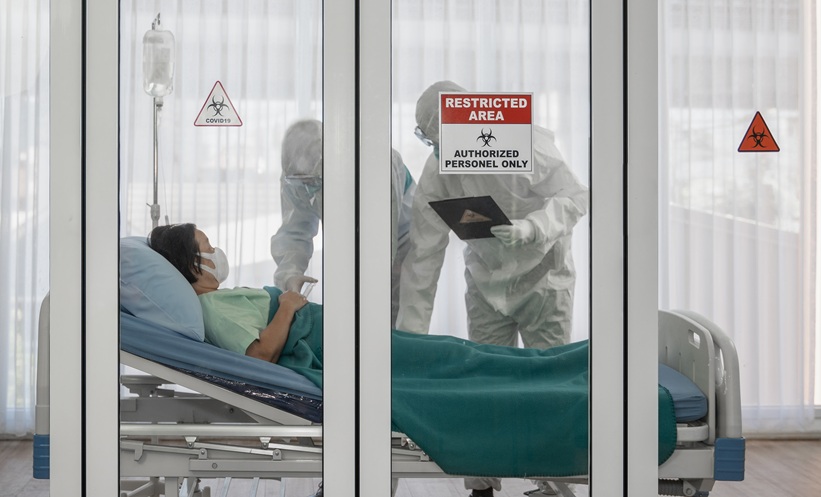
Escalating transmission of Bundibugyo virus disease in the Democratic Republic of the Congo (DRC) has prompted multi-tiered CDC Travel Health Notices across East and Central Africa. A Level 4 notice advises travelers to avoid all travel to the DRC provinces of Ituri and North Kivu, while a Level 3 notice urges travelers to reconsider nonessential travel to Haut-Uélé and Tshopo provinces. A Level 2 notice recommending enhanced precautions remains active across the remainder of the DRC and Uganda, alongside a Level 1 notice for usual precautions in Kenya. Because no licensed vaccine currently exists for the Bundibugyo Ebola species and its incubation period extends up to 21 days, asymptomatic travelers may clear port-of-entry screening before developing fever. Physicians must obtain detailed 21-day travel histories from febrile patients and immediately isolate suspected cases using strict viral hemorrhagic fever personal protective equipment.
Vector-Borne and Routine Vaccine-Preventable Alerts
Beyond filovirus surveillance, current CDC Travel Health Notices emphasize several vector-borne and vaccine-preventable threats requiring proactive pre-departure counseling. A Level 2 notice for yellow fever is active in Burkina Faso, Côte d’Ivoire, and Ghana, reinforcing the necessity of administering yellow fever vaccination at least 10 days before departure. Clinicians should also review routine immunization status for travelers heading to regions covered under the Level 2 global polio notice, as well as the Level 1 hepatitis A notice in Costa Rica. Mosquito bite prevention remains vital for patients visiting areas affected by the Level 2 chikungunya notice in Nicaragua and the Level 1 global dengue notice.
Integrating CDC Travel Health Notices into Practice
Evaluating patients four to six weeks prior to international departure allows U.S. healthcare providers to align immunization schedules and malaria prophylaxis with real-time epidemiological data. Integrating CDC Travel Health Notices into routine electronic health record triage workflows strengthens both individual patient protection and domestic clinical preparedness.
Reference
Centers for Disease Control and Prevention. Travel Health Notices. Centers for Disease Control and Prevention. 2026. Available at: https://wwwnc.cdc.gov/travel/notices. Last accessed: 13 November 2026.