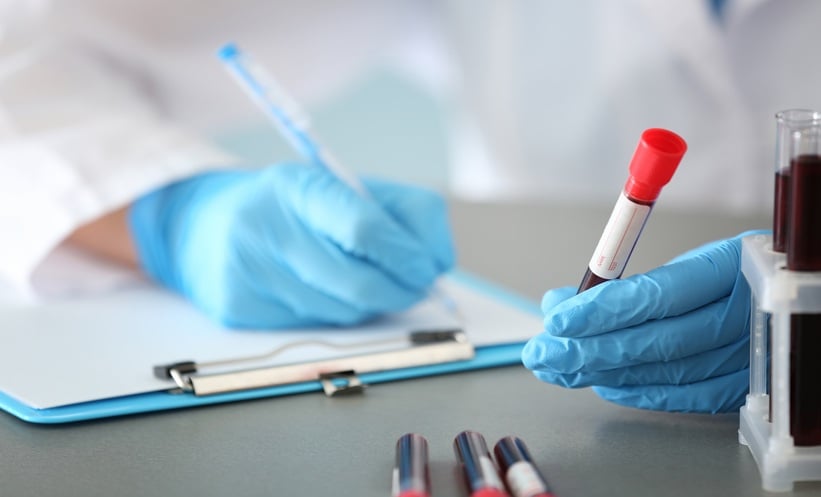
A SIMPLE blood test could soon help doctors detect heart and kidney disease far earlier than previously possible after researchers discovered that red blood cells carry a biological “fingerprint” of blood vessel damage.
Scientists Identify Early Marker of Vascular Damage
The breakthrough centred on the endothelial glycocalyx, a fragile sugar-and-protein coating lining the inside of blood vessels that plays a crucial role in vascular health.
Damage to this protective layer has been linked to cardiovascular disease, kidney injury, diabetes, and inflammatory disorders, but monitoring it directly has traditionally required invasive tissue biopsies and advanced imaging techniques.
Now, scientists have shown that the red blood cell glycocalyx closely mirrors changes occurring in the endothelial glycocalyx, raising the possibility of a minimally invasive liquid biopsy for vascular disease.
Endothelial Glycocalyx Damage Detected Through Blood Cells
In the study, researchers demonstrated that glycocalyx measurements taken from red blood cells accurately reflected endothelial glycocalyx injury in the heart and kidneys of male rats. The findings also correlated strongly with direct measures of endothelial barrier dysfunction, a key indicator of vascular damage.
The endothelial glycocalyx acts as a permeability barrier and helps regulate inflammation and immune cell migration within blood vessels. Because it is highly sensitive to early disease processes, researchers believe it may serve as one of the earliest detectable markers of vascular injury.
Until now, however, much of the body’s microscopic vascular network has remained inaccessible for routine clinical monitoring.
Scientists Reveal Continuous Glycocalyx Exchange
To understand why red blood cells reflected endothelial health so closely, the research team used advanced Azide-Alkyne cycloaddition “click” chemistry techniques to track glycocalyx movement between endothelial cells and erythrocytes.
They discovered that red blood cells and blood vessel walls continually exchange glycocalyx components as blood circulates through the body. This transfer effectively leaves a biochemical imprint on circulating red blood cells that mirrors the condition of the endothelial glycocalyx.
Liquid Biopsy Could Transform Vascular Monitoring
The findings could pave the way for routine blood tests capable of identifying endothelial dysfunction before irreversible organ damage develops. Earlier detection of endothelial glycocalyx injury may allow clinicians to intervene sooner in patients at risk of cardiovascular or renal disease.
The study also suggested that glycocalyx measurements may help monitor how effectively treatments restore vascular health in real time.
However, the research was conducted largely in animal models, meaning further studies in humans will be needed before endothelial glycocalyx testing becomes part of routine clinical care.
Even so, the discovery represents a major advance in vascular medicine and could significantly improve how clinicians detect and monitor diseases linked to blood vessel injury.
Reference
Butler MJ et al. Endothelial-erythrocyte glycocalyx exchange enables liquid biopsies of endothelial function. Nat Commun. 2026;DOI:10.1038/s41467-026-71848-4.
Featured image: Pixel-Shot on Adobe Stock
- Author: