Key Summary:
- A study examined tooth loss and kidney function using 20 years of NHANES data.
- Higher tooth loss was linked with CKD and lower eGFR among females.
- Oxidative stress and inflammation showed potential indirect roles in females.
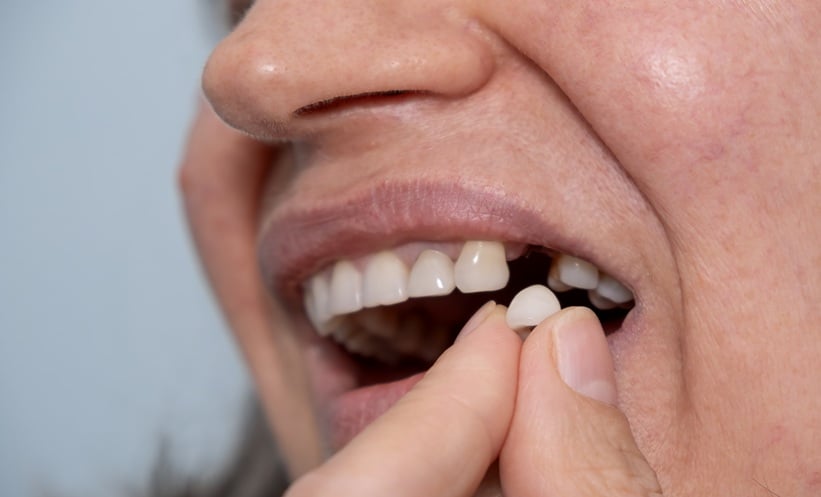
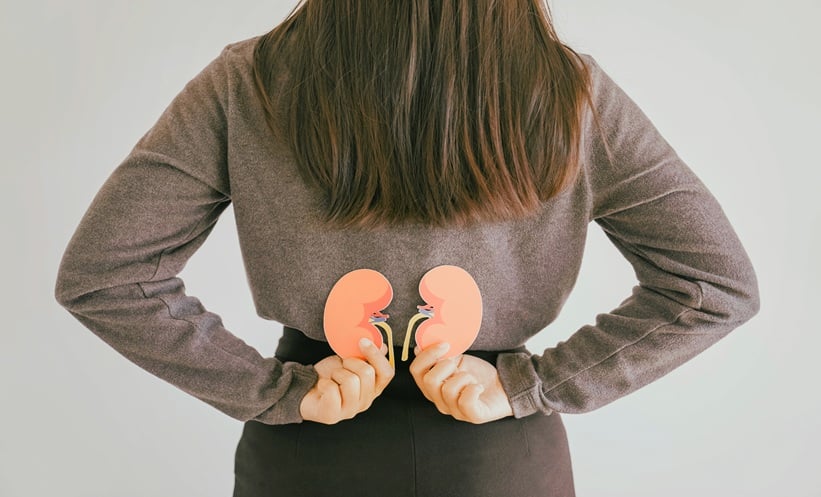
TOOTH loss and kidney function were associated in females in a cross-sectional analysis of 17,833 participants from the 2001–2020 National Health and Nutrition Examination Survey (NHANES), with systemic oxidative stress and inflammation showing potential indirect roles.
The study investigated the relationship between tooth loss and estimated glomerular filtration rate (eGFR)-related chronic kidney disease (CKD), while also examining potential biological pathways involving oxidative stress and systemic inflammation.
Researchers analysed data from 17,833 participants, including 1,837 participants with CKD, defined as an eGFR below 60 mL/min/1.73 m², and 15,996 participants without CKD. Regression models assessed associations between tooth loss, eGFR, the oxidative balance score (OBS), and the systemic immune-inflammation index (SII).
Bootstrap analyses were also used to estimate potential indirect associations of OBS and SII with the relationship between tooth loss and eGFR.
Among females, participants in the highest quartile of tooth loss had lower eGFR after adjustment for covariates: β=-1.291; 95% CI: -2.343–-0.238; P<0.05. Higher tooth loss was also associated with increased odds of CKD: odds ratio (OR): 1.379; 95% CI: 1.079–1.763; P<0.05.
The reported association between tooth loss and kidney function was not statistically significant among males.
Among females, greater tooth loss was associated with lower OBS and higher SII. Mediation analyses estimated potential indirect associations through these measures, accounting for 13.514% through OBS and 4.054% through SII of the association between tooth loss and eGFR.
The findings suggest that tooth loss and kidney function may be linked through systemic processes involving oxidative stress and inflammation, particularly among females. However, the cross-sectional study design limits conclusions about temporal relationships or causality.
The authors highlighted the potential relevance of systemic oxidative stress and inflammatory pathways in understanding the relationship between oral health and renal function. Further longitudinal research was identified as necessary to investigate these pathways and clarify how changes in oral health may relate to kidney function over time.
Reference
Gong L et al. Association between tooth loss and kidney function: indirect roles of oxidative stress and systemic inflammation in NHANES 2001–2020. Saudi Dent J. 2026;38:126.
Featured Image: leesle on Adobe Stock
Each article is made available under the terms of the Creative Commons Attribution-Non Commercial 4.0 License.