Author: Jess Nicholson, EMJ, London, UK
Citation: EMJ Neurol. 2026;14[1]:22-24. https://doi.org/10.33590/emjneurol/6114R8QK

PREDICTING FUNCTIONAL RECOVERY AFTER STROKE
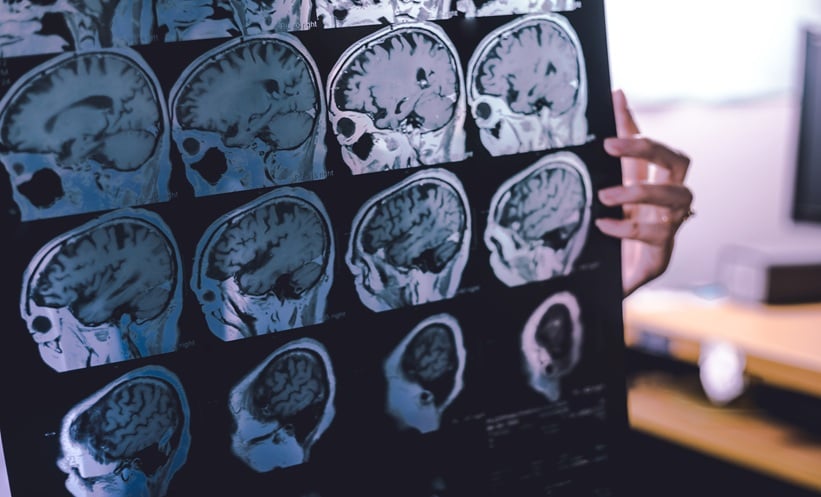
A central theme in the clinical uses of AI centres around whether it can meaningfully improve prognostic assessment following acute stroke. To explore this, Wegener presented a study comparing experienced stroke neurologists with convolutional neural network (CNN) models in predicting modified Rankin Scale (mRS) scores 3 months post-stroke.1 Experts were provided with clinical data, MRI imaging, or a combination of both. Using clinical information alone, neurologists achieved an accuracy of approximately 60%, with CNN models performing comparably. Adding MRI data improved prognostic accuracy for both clinicians and AI; however, the CNN model consistently outperformed expert neurologists overall, highlighting its potential to enhance, rather than replace, clinical decision-making.
The findings were validated using CT angiography data from the MR CLEAN trial,2 the imaging modality more commonly used in routine clinical practice. The study compared prognostic performance between neurologists, neurologists assisted by the MR PREDICT score, and AI foundation models trained on CT data. As in the previous study, neurologists achieved an accuracy of approximately 60–65%, whereas the AI models consistently demonstrated superior performance. Although the MR Predict score improved prognostic accuracy among less experienced neurologists, it offered little additional benefit for highly experienced clinicians (Herzog et al., unpublished data, 2026). Wegener noted that MR PREDICT scores rely on manual assessment of imaging variables, including the Alberta Stroke Program Early CT Score, collateral status, and occlusion location. Considerable variability exists among stroke specialists when assigning these measures, whereas AI models can automatically extract imaging features directly from CT scans, reducing subjectivity while improving the consistency of prognostic assessment.
A key finding from this study showed that neurologists predicted more favourable functional outcomes than patients ultimately achieved, whereas neither the AI model nor the MR Predict score did. Clinicians overestimated the benefits of reperfusion therapies, while factors such as older age and male sex were weighted too negatively. These findings highlight the influence of cognitive biases on prognostic assessment and reinforce the potential for AI to provide more objective decision support when integrated alongside clinical expertise.
BUILDING BETTER AI MODELS
Wegener argued that observed limitations in AI may reflect deficiencies in the outcome measures used to train current models. The mRS score provides a broad assessment of disability but does not distinguish stroke-related disability from unrelated events. Consequently, patients who die from unrelated stroke causes are still assigned the worst score. Developing more meaningful, objective endpoints, such as quantitative motor assessments, could enable AI models to better capture treatment effects and generate more clinically relevant predictions. As Wegener summarised, “it depends on what you feed in. What you get out is what you feed in,” underscoring that AI performance is fundamentally limited by the quality and relevance of the data used to train it.
Recognising that model performance depends on the quality of input data, Wegener highlighted variables frequently overlooked by current prediction models. In the prospective STOP-Stroke study, clinicians recorded their predicted prognosis and the factors influencing their decisions (STOP-Stroke, unpublished data, Westphal). Preliminary data from 50 patients showed that before imaging, prognosis was driven primarily by National Institutes of Health Stroke Scale (NIHSS) score, age, and onset-to-door time. Imaging contributed less than expected as clinicians’ assessments continued to rely on clinical data. Before discharge, frailty, cognitive decline, and previous stroke emerged as additional key predictors. Together, these findings show consideration of factors that influence clinical decisions are integral to developing sophisticated AI models.
EXPANDING AI BEYOND ACUTE CARE
Beyond acute stroke management, Wegener highlighted AI’s potential to strengthen secondary stroke prevention by identifying patients with previously undetected atrial fibrillation. As many patients have imaging features suggestive of cardioembolic stroke despite no documented arrhythmia, prolonged cardiac monitoring is often required before anticoagulation can be prescribed.
To address this challenge, Wegener discussed research using UK Biobank data, where machine learning models combined cardiac imaging with structural markers of atrial cardiomyopathy to identify individuals at risk of developing atrial fibrillation (Deseoe et al., in press, 2026). It was found that the ratio of left atrial to left ventricular volume outperformed atrial size alone, with these findings subsequently validated in stroke cohorts. Comparable predictive performance was achieved using foundation models trained on routine ECGs obtained during normal sinus rhythm, outperforming blood biomarkers and conventional clinical risk scores across multiple validation cohorts, including UK Biobank, Brazilian primary care, stroke cohorts, and Holter ECG datasets.
Although prospective clinical trials are still required to establish whether these approaches improve patient outcomes, the findings suggest that AI can detect subtle signs of future atrial fibrillation using tests that are already routinely performed, enabling earlier identification of high-risk patients and more timely secondary stroke prevention.
FUTURE DIRECTIONS
Looking ahead, the successful integration of AI into routine stroke care will depend on more than advances in algorithm performance. Developing clinically meaningful outcome measures, incorporating overlooked prognostic variables, and validating models across diverse populations will be essential. Supporting this effort, Wegener highlighted the European MAGIC Consortium, a multicentre initiative that brings together anonymised clinical and stroke imaging datasets from across Europe.3 By creating large, diverse datasets for AI development and validation, the consortium aims to improve model robustness and accelerate applications ranging from prognostic prediction to treatment selection and secondary stroke prevention. Prospective clinical trials will then be required to determine whether these technologies improve clinical decision-making and patient outcomes.