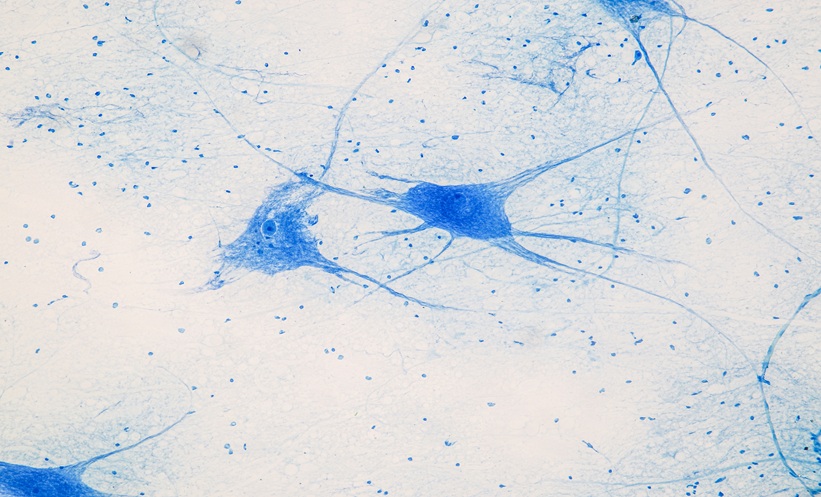
MULTIOMIC profiling reveals how hippocampal epigenetic reprogramming alters cellular lineage and 3D genome architecture during aging. Analyzing postmortem human hippocampal tissue across the adult lifespan, investigators mapped single-nucleus transcriptomes, chromatin accessibility, DNA methylation, and higher-order chromatin structure. The study demonstrates that normal aging does not merely alter steady-state gene expression; rather, it fundamentally restructures cellular composition, epigenetic memory, and structural genome topology within the memory center of the brain. A critical inflection point occurs around age 50, marking nonlinear shifts in neuroinflammation and metabolic maintenance.
Microglial Lineage Shifts via Hippocampal Epigenetic Reprogramming
A central finding is the progressive replacement of resident brain immune cells. Between ages 50 and 75, embryonically derived yolk sac microglia are depleted and replaced by a distinct population exhibiting epigenetic features of peripheral blood monocytes. Although transcriptomic profiles alone fail to resolve this shift, DNA methylation signatures reveal a clear lineage replacement. These monocyte-derived microglial cells harbor proinflammatory epigenomic and structural genomic features, including elevated interleukin-15 expression and major histocompatibility complex class II activation, establishing a mechanistic driver for age-related chronic neuroinflammation.
Astrocyte Loss and Structural Genome Decay
Concurrently, the aging hippocampus experiences a marked proportional decline in astrocytes, particularly those specialized in regulating synaptic transmission. Epigenomic profiling identified the down-regulation of more than 50 mitochondrial ATP synthesis genes driven by diminished nuclear respiratory factor 1 promoter accessibility and increased local DNA methylation. This metabolic impairment coincides with heightened lysosomal microautophagy, suggesting energetic failure as a primary mechanism of astrocyte attrition. At the structural level, hippocampal epigenetic reprogramming accompanies a global erosion of three-dimensional genome architecture across multiple cell types. Chromatin domain boundaries weaken alongside a systemic reduction in CCCTC-binding factor binding, leading to diminished intra-domain contacts and increased trans-chromosomal interactions. Together, these findings offer a comprehensive cellular and molecular framework for understanding cognitive vulnerability and synaptic dysfunction in the aging human brain.
Reference
Zemke NR et al. Epigenetic and 3D genome reprogramming during the aging of the human hippocampus. Science. 2026;393(6809):eadt8307.
Featured Image: sinhyu on Adobe Stock.