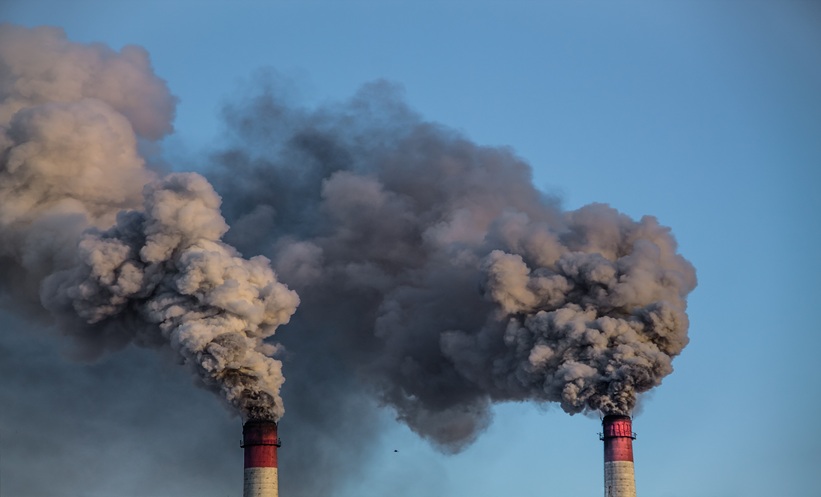
ENVIRONMENTAL stroke risk escalates through continuous exposure to ambient air pollution, wildfire smoke, and severe thermal stress. Recent scientific evidence demonstrates that broader environmental determinants significantly shape cerebrovascular vulnerability beyond traditional clinical risk factors alone.
Key Drivers of Environmental Stroke Risk
Ambient air pollution remains a paramount environmental hazard, with fine particulate matter penetrating deep into the respiratory tract to trigger systemic oxidative stress and vascular damage. Wildfire smoke represents a distinct, growing threat characterized by repeated multi-day surges across large geographic regions. National cohort data show that each increase in long-term wildfire smoke exposure raises incident stroke risk by 1.3%, exerting a stronger impact per unit than background urban pollution.
Thermal stress serves as another potent acute trigger for cerebrovascular events. High ambient temperatures, elevated relative humidity, and extreme heat index values impair evaporative cooling, promoting dehydration, hemoconcentration, autonomic imbalance, endothelial dysfunction, and blood pressure lability. Although cold temperatures currently account for most temperature-attributable stroke deaths worldwide, the global stroke burden from extreme heat is expanding rapidly.
Biologic Pathways and Societal Inequities
Environmental hazards rarely act in isolation within patient communities. Chronic exposure to road-traffic noise, nighttime artificial light, rotating shift work, and long working hours exceeding 55 hours per week contribute to environmental stroke risk through circadian misalignment, neuroendocrine stress, and systemic inflammation. Personal sensor studies show that individuals exposed to the highest levels of artificial light at night face a 28% higher risk of incident stroke compared with those sleeping in dark settings.
Furthermore, these environmental hazards cluster heavily within structurally disadvantaged neighborhoods characterized by low greenness, poor walkability, and persistent social isolation. Structural inequities limit access to air conditioning, clean air filtration, and emergency medical services, amplifying baseline clinical vulnerability. Toxicants such as lead and microplastics identified within carotid atheromatous plaques further compound long-term vascular injury.
Clinicians should evaluate cumulative environmental risk profiles alongside traditional cardiovascular risk factors, supporting health system adaptation, targeted patient guidance, and equitable protective policies.
Reference
Ali M et al. Environmental Exposures and Stroke Risk: Converging Pathways, Unequal Burdens, and Prevention Opportunities. Curr Neurol Neurosci Rep. 2026;26:35.
Featured Image: kapichka on Adobe Stock.
- Author: