TRANSCRANIAL photobiomodulation protects collegiate football players from brain inflammation and axonal damage caused by repetitive head impacts.
Intercepting Neurotrauma on the Field
Collegiate American football players routinely face repetitive head acceleration events during intense training sessions and high-stakes matches. While traditional sports medicine focuses heavily on post-injury care, this study introduces a proactive defensive game plan to shield the brain before permanent damage occurs. Researchers evaluated twenty-six Division I athletes over a rigorous sixteen-week season to see if near-infrared light could block the cumulative neurological damage associated with contact sports. By introducing this protective measure before clinical symptoms appear, the research addresses the hidden, everyday toll that collision sports exact on young athletes.
A Masterclass Defense: Transcranial Photobiomodulation
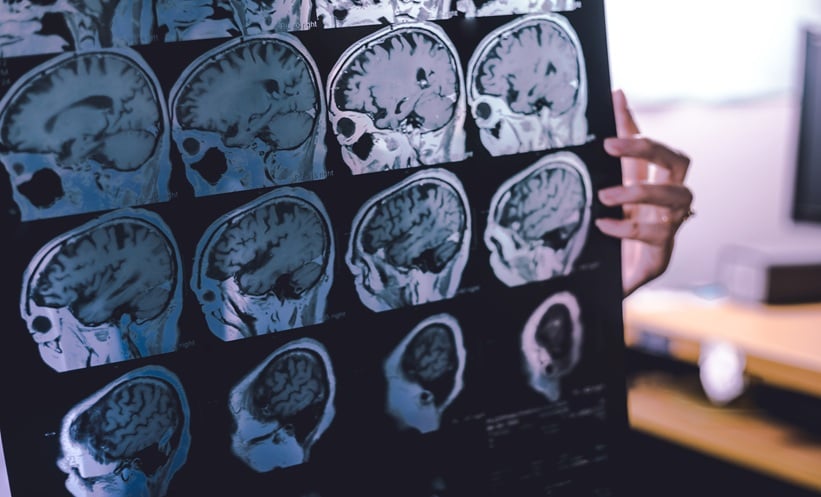
The trial randomized participants into two squads: thirteen athletes received active treatment, while thirteen served as the sham control group. The active team utilized a specialized transcranial photobiomodulation helmet and intranasal device for three days each week under strict athletic training room supervision. Advanced neuroimaging tracked the microstructural shifts in the brain, evaluating markers for cellular inflammation and nerve fiber remodeling across the season.
The sham group suffered widespread increases in neuroinflammatory markers, showing clear structural strain from seasonal head impacts. Conversely, the squad utilizing active transcranial photobiomodulation delivered a flawless defensive save, maintaining remarkable neurological stability. The light therapy effectively mitigated ongoing neuroinflammation and accelerated tissue recovery, demonstrating that transcranial photobiomodulation can act as a powerful neuroprotective shield for athletes facing repetitive head impacts. This proactive regimen establishes a crucial mechanism of prevention as opposed to the solely recovery-oriented treatment that remains standard on the field. By shielding neural architecture during active play, this intervention shifts the clinical paradigm from reactive symptom management to true preventative care. Team physicians can now look toward tools that actively defend cellular integrity during the competitive season rather than waiting for an athlete to sustain a definitive injury.
Reference
Lindsey HM et al. Transcranial Photobiomodulation Promotes Neurological Resilience in Current Collegiate American Football Players Exposed to Repetitive Head Acceleration Events. J Neurotrauma. 2026. https://doi.org/10.1177/08977151251403554
Featured Image: Don Mroczkowski on Adobe Stock.
- Author: