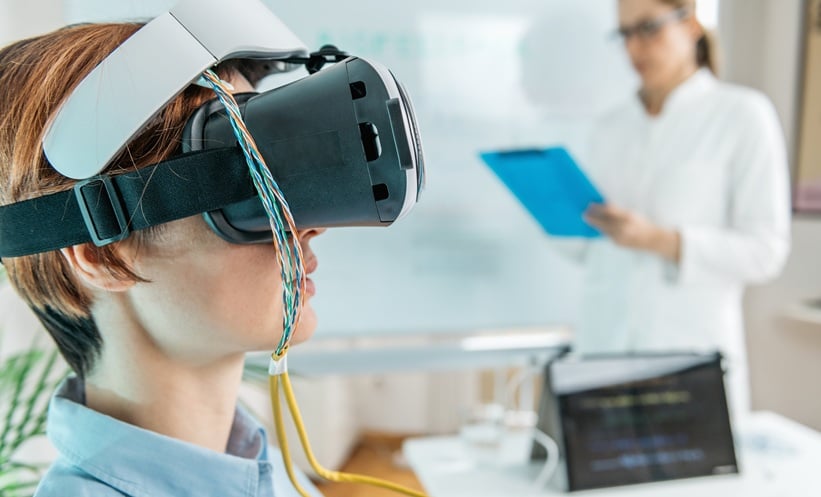
THETA burst stimulation may strengthen placebo-driven antidepressant effects, with researchers showing that targeted brain stimulation enhanced default mode network activity and improved expectancy-related mood responses in adults experiencing depressive symptoms.
Why Theta Burst Stimulation Was Investigated
Placebo effects contribute substantially to antidepressant response, yet the underlying brain mechanisms remain incompletely understood. Previous research implicated the default mode network in expectancy and treatment response processes. Investigators therefore examined whether theta burst stimulation directed at the dorsomedial prefrontal cortex could alter network activity and amplify placebo-related mood improvement.
Randomized Trial Testing Theta Burst Stimulation Effects
This randomized clinical trial, conducted between October 2020 and March 2025 at the University of Pittsburgh Medical Center, used a within-person counterbalanced design. Adults aged 18 to 53 years with depressive symptoms who were not taking psychotropic medication were enrolled. Participants received three stimulation conditions one week apart: intermittent theta burst stimulation, continuous theta burst stimulation, and sham stimulation delivered over the dorsomedial prefrontal cortex at electroencephalogram coordinate F2 using 80% resting motor threshold intensity. One hour after stimulation, participants completed an antidepressant placebo functional MRI task incorporating expectancy cues and sham neurofeedback. Primary outcomes included default mode network activation and expectancy-driven mood ratings. Secondary outcomes included expectancy ratings during placebo cue exposure. Of 103 enrolled participants, 67 completed at least one session and 50 formed the final analytic sample, with mean age 28.3±9.5 years and 26 males (52.0%).
Default Mode Network Activation Increased After Stimulation
Voxelwise analyses demonstrated that intermittent theta burst stimulation increased dorsomedial prefrontal cortex activity relative to continuous stimulation within the default mode network using threshold-free cluster enhancement correction (P=.98). Cluster-based analyses showed a significant monotonic pattern across conditions favouring intermittent stimulation over sham and continuous stimulation (F2,144=4.55; P=.01; η2=0.06). Greater default mode network activation predicted stronger expectancy-related mood responses under intermittent theta burst stimulation compared with sham stimulation (β=0.30; 95% credible interval 0.07 to 0.52). Greater activation also predicted higher expectancy ratings in response to treatment cues (β=0.38; 95% credible interval 0.22 to 0.55), although coupling was strongest under continuous stimulation (β=−0.22; 95% credible interval −0.44 to 0).
Implications for Depression Treatment Strategies
The findings suggest theta burst stimulation may enhance antidepressant expectancy effects through targeted modulation of default mode network activity. Researchers propose this circuit-based mechanism could help augment treatment response in depression. Future studies should investigate durability, clinical efficacy in diagnosed depressive disorders, and whether combining neuromodulation with psychotherapy or pharmacotherapy improves long-term outcomes.
Reference
Snyder I et al. Intermittent theta burst stimulation of the dorsomedial PFC and expectancy-driven placebo mood effects: a randomized clinical trial. JAMA Psychiatry. 2026;10.1001/jamapsychiatry.2026.0647.
Featured image: Microgen on Adobe Stock
- Author: