Meeting Summary
Chronic inflammatory demyelinating polyneuropathy (CIDP) is a rare and severe immune-mediated disease that affects sensory function and muscle strength. In the global, pivotal ADHERE trial, efgartigimod, reduced relapse risk and improved disability scores versus placebo in patients with CIDP. This article summarises Phase IV trial data and new real-world evidence on efgartigimod for the treatment of CIDP presented at the American Academy of Neurology (AAN) and the Peripheral Nerve Society (PNS) Annual Congresses in April and June 2026, highlighting important practical considerations to inform its use in routine clinical practice.
Arjun Seth from Northwestern Medicine in Chicago, Illinois, USA, presented top-line results from a completed Phase IV study that support clinical stability after transition from intravenous IgG (IVIg) therapy to efgartigimod and add structured evidence to inform the timing of treatment transition.
Findings from several real-world studies, conducted in parallel with this Phase IV trial to support and contextualise results, were also presented. A physician insight study, first authored by Mario Vukic from Hackensack University Medical Center in Hackensack, New Jersey, USA, highlighted the importance of patient selection, switching timing, and ongoing clinical assessment in facilitating a successful switch from IVIg to efgartigimod. Swapna Karkare and Nadia Zaveri from argenx in Boston, Massachusetts, USA, also described early treatment patterns and characteristics of patients with CIDP initiating efgartigimod in two real-world studies.
Across all these studies, approximately 80% of patients who started on efgartigimod remained on treatment at 3 months, providing early indications of real-world treatment persistence.
Background
CIDP is a serious and progressive autoimmune neuropathic disease associated with potentially irreversible nerve damage and disability. Symptoms of CIDP include limb weakness, sensory disturbances, fatigue, and pain, which negatively impact patients’ quality of life (QoL).1-3
Efgartigimod is a human IgG antibody Fc fragment engineered to have increased affinity for FcRn, enabling it to outcompete endogenous IgG for neonatal Fc receptor (FcRn) binding. By blocking FcRn-mediated IgG recycling, efgartigimod selectively reduces circulating levels of IgG autoantibodies without affecting antibody production or altering albumin.4-7
Efgartigimod has received approval for the treatment of CIDP in several countries worldwide, including the USA (in June 2024) and Europe (in June 2025).8,9 In Europe, efgartigimod is indicated as monotherapy for the treatment of adult patients with progressive or relapsing active CIDP after prior treatment with corticosteroids or Igs.9
The approval of efgartigimod to treat CIDP was supported by the evidence from the pivotal double-blind, placebo-controlled ADHERE study, the largest randomised trial conducted in CIDP to date.10 In the ADHERE trial, efgartigimod reduced the risk of relapse in patients with CIDP and led to clinically meaningful improvements in functional ability, daily activity, grip strength, and QoL versus placebo, regardless of prior CIDP therapy.10
Given the relative recency of global regulatory approvals for efgartigimod, real-world data on its use to treat CIDP remain limited.11-14 Gathering further evidence is therefore important to reinforce findings from clinical trials of efgartigimod and to inform its implementation in routine neurology practice. In particular, there is a clinical interest in understanding more about target patient profiles for efgartigimod treatment and how to transition patients to efgartigimod from other CIDP therapies such as IVIg.11-14
Findings from the Phase IV Efgartigimod Switch Study
Although ADHERE demonstrated clinical efficacy in a broad population of patients with CIDP with a variety of treatment backgrounds, including IVIg, the required run-in period meant that the study did not provide clear guidance on how to transition patients from prior therapy to efgartigimod.10 All patients in the ADHERE trial who were on prior therapies underwent a run-in period which entailed discontinuation of IVIg, subcutaneous Ig, and corticosteroids, as well as demonstration of evidence of clinically meaningful deterioration, showing active disease, before the initiation of efgartigimod.10 However, these steps are not a requirement for efgartigimod initiation outside of the clinical trial setting and are not realistic for real-world usage.8,9 It is therefore important to understand the safety and efficacy of transitioning patients from IVIg to efgartigimod within a short timeframe after discontinuing IVIg treatment, reflecting real-world practice.
To investigate the feasibility and safety profile of switching to efgartigimod, a Phase IV, open-label, multicentre study (NCT06637072) was conducted.11 In this prospective study, patients were transitioned from a stable dose of IVIg to efgartigimod after 1 week after their last IVIg dose. The primary endpoint was the proportion of participants who began efgartigimod treatment in this timeframe and were still receiving it at the end of the 12-week treatment period. Secondary endpoints were patient-reported outcomes, safety, and tolerability.11
The 23 patients enrolled in this study were ≥18 years of age, and treated with stable IVIg therapy (0.5–2.0 g/kg once every 3–6 weeks for ≥3 doses). Oral corticosteroids were permitted at a stable dosage of ≤20 mg/day (or ≤40 mg every other day) for ≥1 month, and nonsteroidal immunosuppressive therapy at a stable dose for ≥3 months, before screening.11
In terms of baseline characteristics, 73.9% of patients were receiving IVIg every-3-week dosing and 91.3% had a last IVIg dose of ≥1 g/kg. Mean treatment duration of IVIg was 75.3 days, and adherence was high (mean treatment compliance: 102.5%).11
Overall, 20/23 patients (87.0%) completed a 12-week treatment period on efgartigimod, demonstrating a successful switch 1 week after the last IVIg dose. Of the three patients who discontinued before 12 weeks, two were due to adverse events of CIDP (worsening), one of which was severe. Both cases happened within 15 days and recovered to baseline after return to their prior treatment, suggesting that if patients do not respond to efgartigimod, this occurs early and with limited long-term effects. One withdrawal was related to injection-site reactions.11
CIDP disease severity, measured by Patient Global Impression of Severity (PGI-S), remained stable across the study, with 56.5% of patients reporting improvement on the Patient Global Impression of Change (PGI-C) scale at the last assessment. The remaining patients largely reported no change in their condition, indicating maintenance of disease status without worsening (Figure 1).
Efgartigimod was well tolerated. No new safety signals were reported with efgartigimod following transition from IVIg. Treatment-emergent adverse events were in line with the established safety profile observed in patients with CIDP in the ADHERE and ADHERE+ trials and in studies of efgartigimod in other disease indications.15-17
Key Takeaways
This Phase IV study showed that the transition to efgartigimod after 1 week of IVIg discontinuation was feasible in patients with CIDP previously maintained on high-dose, frequent IVIg regimens. Overall, 87% of patients remained on efgartigimod over the 12-week treatment period, and patient-reported disease severity, global clinical status, QoL, and treatment satisfaction were stable following the transition. Importantly, the safety profile of efgartigimod following transition from IVIg was consistent with the known safety profile, supporting its use without a washout period in the real-world clinical practice setting.11
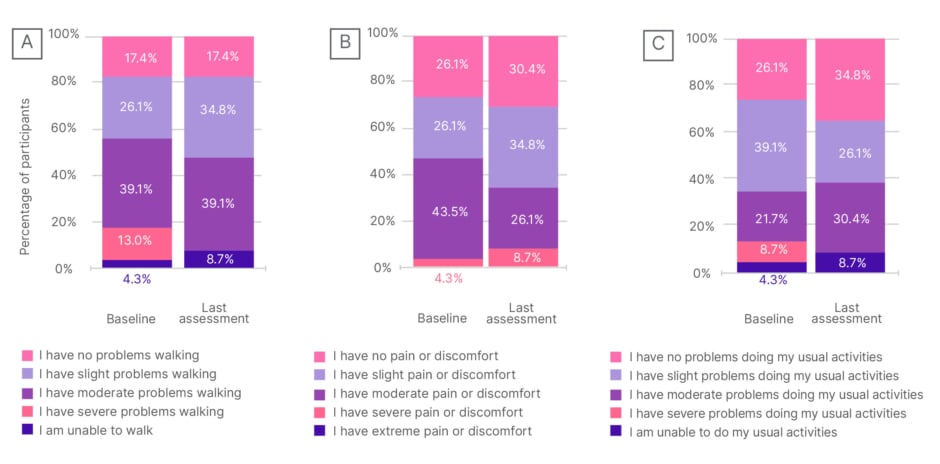
Figure 1: EQ-5D-5L at baseline and last assessment for mobility, pain/discomfort, and usual activities.a,11
aData are reported on all enrolled patients (N=23). As this includes three patients who discontinued the study early, some last-visit data are derived from visits prior to the 12-week endpoint.
EQ-5D-5L at baseline and last assessment for A) mobility, B) pain/discomfort, and C) usual activities.
Physician Insights on Switching from IVIg to Efgartigimod
Positive results from the efgartigimod Phase IV switch trial were supported by findings from physician insights evaluating patients with active CIDP who transitioned from IVIg to efgartigimod in clinical practice. These insights were derived from two virtual, interview-style group discussions held in April 2025 with five US-based CIDP experts.12 Topics discussed included appropriate patient types, approaches to transitioning, monitoring strategies and outcome measures, and management of efgartigimod non-responders.12
Physicians reported their experiences with 225 patients with CIDP under their care, of whom ~40% switched to efgartigimod, with the timing ranging from 1–4 weeks after the last IVIg dose. Of these 91 patients, over 80% successfully transitioned to efgartigimod, while ~14% attempted the switch but subsequently discontinued treatment. Transitions were considered successful if patients demonstrated tolerability and clinical stability or improvement of disease 3–6 months after switching to efgartigimod.12
Experts identified the following criteria to help determine patients’ suitability for transitioning from IVIg to efgartigimod:12
- Experiencing IVIg treatment dissatisfaction or lack of efficacy
- IVIg safety/tolerability concerns
- Adherence challenges
- Patient preference
- Poor venous access
Best practices for guiding the transition to efgartigimod were also outlined by the experts (Figure 2). They recommended that post-switch assessments should include gait evaluations, full neurological examination, Inflammatory Neuropathy Cause and Treatment (INCAT), Inflammatory Rasch‐Built Overall Disability Scale ([I-RODS] time permitting), grip-strength assessment (which can be assessed through general motor exam if dynamometer tests available), and patient-specific measures (e.g., button- or zip-up clothing).12
Experts advised that the ongoing management plan post-switch to efgartigimod should be based on patients’ response to therapy and/or individual factors (e.g., perceived changes, underlying illness, infection, etc.). Patients with a positive experience of treatment efficacy and safety and who are clinically stable can remain on efgartigimod with continued monitoring. For patients with worsening symptoms or tolerability issues on efgartigimod, alternative treatment approaches should be considered, including transition back to their
prior treatment.12
Key Takeaways
These real-world healthcare professional experiences of switching from IVIg to efgartigimod highlight the importance of appropriate determination of patient suitability, switch timing, and ongoing clinical assessment.12 The majority of patients (85.7%) in this study successfully transitioned from IVIg to efgartigimod. To avoid symptom worsening while switching treatments, efgartigimod should be initiated before the clinical effect of prior therapies starts to decrease. The definition of treatment response may vary depending on a patient’s baseline status, ranging from clinical improvement for some to disease stability with improved QoL or tolerability for others.12
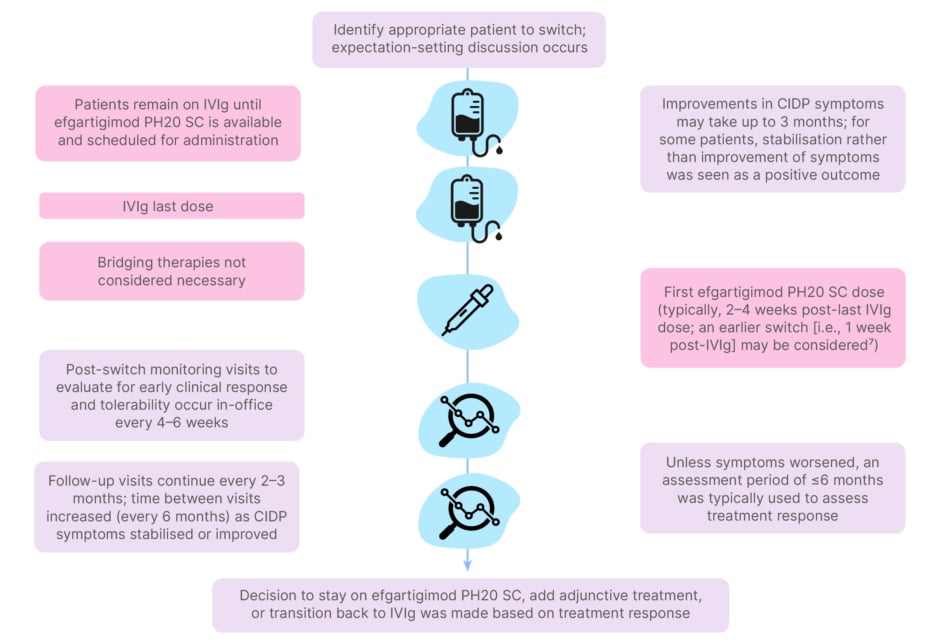
Figure 2: Summary of the IVIg to efgartigimod transition process.12
CIDP: chronic inflammatory demyelinating polyneuropathy; IVIg: intravenous Ig; PH20: recombinant human hyaluronidase PH20 (rHuPH20); SC: subcutaneous.
Characteristics and Treatment Patterns of Real-World Efgartigimod Initiators
Medical and Pharmacy Claims Data from the USA
This real-world study presented by Zaveri aimed to characterise early efgartigimod initiators, and assess the proportion continuing use for at least 3 months, across key patient profiles. Adults with a diagnosis of CIDP who initiated efgartigimod between 21st June 2024–30th April 2025 were identified from a USA medical and pharmacy claims database. Patient demographics and clinical characteristics, as well as baseline CIDP treatment utilisation, were assessed during the 1 year before efgartigimod initiation. Monthly efgartigimod utilisation was also evaluated for 3 months after initiation.13
A total of 758 patients with CIDP met the eligibility criteria and were included in this analysis. Mean patient age was 64 years, and 61% were males. Neuropathic pain was documented in 91% of patients. The mean Charlson Comorbidity Index (CCI) was 1.38, with the most prevalent medical comorbidities being hypertension (48%), hypercholesterolaemia (33%), and diabetes without chronic complication (25%).13
In the year prior to efgartigimod initiation, 26% of patients had not received any CIDP treatment. The most common recent therapy was Ig (41%), followed by corticosteroids (25%), non-steroidal immunosuppressive therapy (6%), plasma exchange (1%), and biologics (1%). Around a third of patients (31%) had a CIDP treatment claim for ≥10 months in the 1 year prior to efgartigimod initiation, indicating a high treatment dependency. Among the 41% of patients who had received Ig as their most recent CIDP therapy, approximately half (52%) had a gap of less than 30 days between the final day of their Ig supply and efgartigimod initiation.13
In the overall cohort of 758 patients who initiated efgartigimod, 79% were still receiving it at Month 3. There were no significant differences in the baseline characteristics (age, sex, USA region, payer channel, and CCI) between patients who remained on efgartigimod at 3 months and those who did not.13
Exploratory analyses were also conducted to evaluate efgartigimod persistence at Month 3 based on CIDP treatment patterns in the 1 year before initiation: untreated, treated for ≥10 months, and Ig as last treatment. Across all three archetypes, the proportions of patients receiving efgartigimod at Month 3 after initiation were consistent with that observed in the overall cohort (Figure 3).13
Key Takeaways
In this real-world study of early efgartigimod initiators, the majority had received treatment with Ig and/or corticosteroids in the prior year.13 Around a quarter of patients did not receive any CIDP treatment in the year before starting efgartigimod. This suggests that efgartigimod may have been initiated after a relapse from temporal remission or after a period of treatment lapse, potentially driven by suboptimal efficacy, low tolerability, or other unmet needs with available treatments at that time.13
79% of efgartigimod initiators had evidence of utilisation at Month 3, providing an early proxy for treatment response. This proportion was consistent regardless of CIDP treatment patterns in the prior year, indicating that patients experienced successful transition to efgartigimod from prior therapies, including Igs, in real-world clinical practice.13
Potential limitations of this study include the reliance on claims data, data incompleteness, and limited follow-up time. Future studies should therefore evaluate patient characteristics that drive efgartigimod initiation and persistence over a longer follow-up period, to better inform clinical decision-making.13
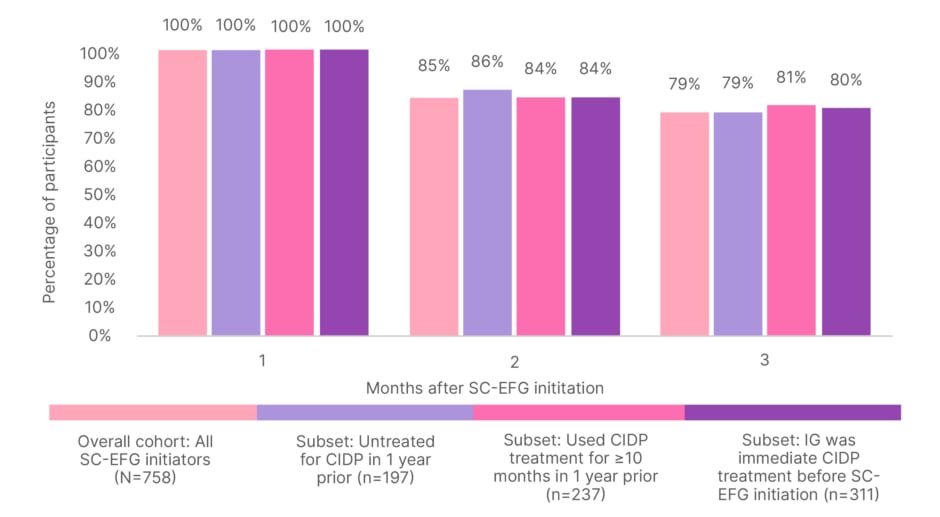
Figure 3: Proportion of patients with efgartigimod claim present in Month 1, 2, and 3 after initiation by key patient archetypes (N=758).13
CIDP: chronic inflammatory demyelinating polyneuropathy; SC-EFG: subcutaneous efgartigimod.
Insights from a Patient-Support Programme
Karkare presented results from a real-world study evaluating early utilisation patterns of efgartigimod in a large cohort of patients from the USA.14 This study involved retrospective analysis of de-identified data from the USA-based efgartigimod patient support program (PSP) database, sponsored by argenx.18 Within the PSP, nurse care managers (NCM) provide patient education and support and document the relevant data.
The primary objective of this study was to describe the baseline characteristics of patients with CIDP who initiated efgartigimod in the USA by 5th March 2026. Reported measures included baseline characteristics, as well as self-reported prior CIDP treatments and I-RODS centile score before efgartigimod initiation. The exploratory objective was to evaluate the proportion of patients receiving efgartigimod treatment for ≥90 days after initiation. Overall, 3,512 patients with CIDP (aged ≥18 years) who were enrolled in the PSP as of 5th March 2026, initiated efgartigimod after 21st June 2024, and consented to share their data were included in the study.14
In terms of baseline demographics and clinical characteristics, mean patient age was 64 years, with 52% of the cohort (n=1,815) aged ≥65 years. Overall, 62% of patients (n=2,188) were males, and 52% (n=1,817) resided in the southern USA. The majority of patients (70%; n=2,452) were covered under government-sponsored payer channels.14 The mean I-RODS centile score prior to initiating efgartigimod was 51.0, comparable with the mean I-RODS run-in baseline score (48.2) reported in the ADHERE clinical trial programme.10,14
CIDP treatment utilisation prior to efgartigimod initiation was reported by 83% of patients (n=2,900), while 4% (n=158) were CIDP treatment-naïve and 13% (n=454) had blank data. The most common CIDP treatment received any time prior to efgartigimod initiation was Ig, either IVIg (75%; n=2,631) or subcutaneous Ig (38%; n=1,349). More than half of the CIDP regimens received at any time prior to efgartigimod initiation involved multiple treatment classes, most of which involved IVIg.14
For the exploratory endpoint, a total of 2,693 patients with CIDP who had initiated efgartigimod were eligible for 90-day persistence analysis. Of these, 86% (n=2,311) continued efgartigimod treatment for 90 days or more post-initiation.14
The limitations of this study are that treatment status was self-reported by patients (not validated by physicians) and documented by NCMs when contact was established. Reported dates may therefore not correspond to the actual timing of changes. Although monthly NCM-patient contact is the default, patients may elect for less frequent outreach or may be unavailable, leading to intermittent data capture.14
Key Findings
This study describes the real-world characteristics of patients with CIDP initiating efgartigimod and reflects its prescription across a broad population of patients with CIDP. Among 3,512 patients with CIDP enrolled in the PSP who initiated efgartigimod in the USA up to 5th March 2026, mean I-RODS centile score prior to efgartigimod initiation was comparable with the mean I-RODS run-in baseline score reported in ADHERE.10 Most patients (75%) had exposure to IVIg at any time prior to efgartigimod initiation. During the first 90 days after efgartigimod initiation, the discontinuation rate was 14%, which was lower than the 31% non-responder rate reported in the ADHERE trial, providing early indications of treatment persistence in real-world practice.10,14
Conclusion
Collectively, these studies presented at leading neurology congresses in 2026 provide a clearer view of how efgartigimod is being integrated into real-world CIDP management, bridging clinical trial evidence with emerging clinical practice experience. Across these datasets, most patients were able to transition to efgartigimod and achieve clinical stability or improvement, with approximately 80% reported as successfully switching, although definitions of success and patient populations varied. Taken together, these findings provide practical guidance for clinical decision-making, including identifying appropriate patients, informing switching approaches from therapies such as IVIg, and setting expectations for early response and follow-up. While further prospective data are needed to refine patient selection and standardise response criteria, current evidence supports efgartigimod as a feasible and clinically meaningful treatment option within the evolving CIDP landscape, with multiple switching strategies.
| Adverse events should be reported. Reporting forms and information can be found at www.mhra.gov.uk/yellowcard. Adverse events should also be reported to argenx on [email protected] or by using the local medical information telephone number. You will find these in the package leaflet of the SmPC. Adverse event reporting details can also be found here. |