Interview Summary
Historically, patients with hepatocellular carcinoma (HCC) who have poor prognosis features have been excluded from clinical trials. In this interview, Farshid Dayyani, medical oncologist at the UCI Health Chao Family Comprehensive Cancer Center, Orange, California, USA, specializing in gastrointestinal cancers, discussed safety data from the HIMALAYA trial, a Phase III study of first-line tremelimumab-actl plus durvalumab versus sorafenib in 1,171 patients with unresectable HCC (uHCC) who had Child-Pugh Class A liver function, Eastern Cooperative Oncology Group Performance Status (ECOG PS) of 0 or 1, and no main trunk portal vein thrombosis. In the HIMALAYA tremelimumab-actl plus durvalumab arm, any-grade treatment-related adverse events (TRAE) occurred in 75.8% (294/388) of patients, Grade 3/4 TRAEs in 25.8% (100/388), and Grade 3/4 immune-mediated adverse events (imAEs) in 12.6% (49/388). The ongoing Phase IIIb, open-label, single-arm SIERRA study aims to address the evidence gap in patients with poor prognosis features by prospectively evaluating the safety and efficacy of the single-tremelimumab-actl and regular interval durvalumab regimen in three cohorts of patients with uHCC who have poor prognosis features (decompensated liver function, reduced performance status, and main portal vein thrombosis). In the SIERRA early safety analysis (n=98; median follow-up 5.2 months), any‑grade adverse events possibly related to study treatment (PRAE) occurred in 65.3% (64/98) of patients, Grade 3/4 PRAEs in 19.4% (19/98), and imAEs in 25.5% (25/98). The overall safety profile in this interim analysis was generally consistent with that observed in the HIMALAYA tremelimumab-actl plus durvalumab arm. The duration of follow-up for the initial SIERRA data analysis was short (median follow-up of 5.2 months [0.1–13.4]); adverse event (AE) rates are likely to increase with longer follow-up. SIERRA safety results are not intended to be compared with clinical trials and should be interpreted with caution in the context of the totality of evidence. Dayyani also emphasized the importance of multidisciplinary care for patients with uHCC, involving hepatology and nurse coordination.
Please see Important Safety Information at the end of this article and full Prescribing Information, including Medication Guide, for IMFINZI and IMJUDO.
INTRODUCTION
Liver cancer is the sixth most common cancer and the third leading cause of cancer-related deaths globally.1 Consistent with prior literature, Dayyani noted that most patients with HCC require systemic therapy because they present with advanced, unresectable disease (Barcelona Clinic Liver Cancer [BCLC] Stage B–D) at diagnosis.2,3 Impaired liver function (Child-Pugh B or C), main portal vein thrombosis (Vp4 disease), and reduced functional status (ECOG PS ≥2) are independently associated with poor outcomes in patients with uHCC.4-6
Dayyani emphasized that many patients with a new diagnosis of uHCC have at least one of these poor prognostic features. This would exclude them from many uHCC clinical trials, which typically include those with Child-Pugh A, ECOG PS 0 or 1, and adequate organ function.7-11 According to a retrospective study of patients with uHCC treated with first-line systemic therapy (2010–2017), 36% of patients with uHCC at diagnosis have Child-Pugh Class B.12 Portal vein thrombosis at diagnosis is present in 10–29% of patients, and ECOG PS 1 or higher occurs in 9–59% of patients.3
Dayyani noted that treatment guidelines for HCC, including the National Comprehensive Cancer Network® (NCCN®) and the American Society of Clinical Oncology (ASCO) guidelines in the USA, as well as the European Society For Medical Oncology (ESMO) guidelines in Europe, stratify patients by tumor extent, liver function, and performance status.13-15 These guidelines provide systemic therapy recommendations for the treatment of patients based on evidence from clinical trials that typically include patients with Child-Pugh A liver function and an ECOG PS of 0 or 1, and those without advanced portal vein thrombosis.13-15
He added that while some single-arm data exist for patients with uHCC and poor prognosis features treated with single-agent immune checkpoint inhibitors, prospective studies evaluating frontline immune checkpoint inhibitor combinations are lacking in this population, and safety data remain limited.13 This evidence gap leaves open questions about how to manage the many patients who present with Child-Pugh B or C liver function, ECOG PS ≥2, or main trunk portal vein thrombosis (Vp4 disease), populations for whom systemic therapy recommendations are not well supported.13-15 “Additional prospective data here would be extremely helpful,” Dayyani said.
Please see Important Safety Information at the end of this article and full Prescribing Information, including Medication Guide, for IMFINZI and IMJUDO.
SAFETY OF TREMELIMUMAB-ACTL PLUS DURVALUMAB IN PATIENTS WITH uHCC IN THE HIMALAYA TRIAL
Study Design
The Phase III HIMALAYA trial was a global, open-label, randomized study evaluating intravenous tremelimumab-actl plus durvalumab versus oral sorafenib as first-line treatment in patients with uHCC who had not received prior systemic therapy.8 Eligible patients were required to have histologically confirmed uHCC, BCLC Stage B (not eligible for locoregional therapy) or Stage C,16 Child-Pugh Class A liver function, and an ECOG PS of 0 or 1, with at least one measurable lesion per Response Evaluation Criteria In Solid Tumors v 1.1 (RECIST v 1.1).8 Key exclusion criteria included clinically meaningful ascites requiring non-pharmacologic intervention, main portal vein thrombosis, and coinfection with hepatitis B and C viruses.8
The primary endpoint was overall survival for tremelimumab-actl plus durvalumab versus sorafenib. Secondary endpoints included progression-free survival, objective response rate (ORR), disease control rate, duration of response, patient-reported outcomes, and safety.8 The median follow-up in the tremelimumab-actl plus durvalumab arm at the primary analysis data cutoff was 33.2 months.8
IMPORTANT PRODUCT INFORMATION
Durvalumab, in combination with tremelimumab-actl, is indicated for the treatment of adult patients with uHCC.
Immune-mediated adverse reactions, which may be severe or fatal, can occur in any organ system or tissue, including the following: immune-mediated pneumonitis, immune-mediated colitis, immune-mediated hepatitis, immune-mediated endocrinopathies, immune-mediated nephritis with renal dysfunction, immune-mediated dermatologic reactions, immune-mediated pancreatitis, and solid organ transplant rejection. Durvalumab and tremelimumab-actl can cause severe or life-threatening infusion-related reactions. Fatal and other serious complications can occur in patients who receive allogeneic hematopoietic stem cell transplantation (HSCT) before or after being treated with a PD-1/PD-L1 blocking antibody.
Safety and Tolerability in the Tremelimumab-actl Plus Durvalumab Arm
In the HIMALAYA safety analysis population (n=388 for tremelimumab-actl plus durvalumab), serious adverse reactions occurred in 41% of patients. Serious adverse reactions in >1% of patients included hemorrhage (6%), diarrhea (4%), sepsis (2.1%), pneumonia (2.1%), rash (1.5%), vomiting (1.3%), acute kidney injury (1.3%), and anemia (1.3%). Fatal adverse reactions occurred in 8% of patients, including death (1%), hemorrhage intracranial (0.5%), cardiac arrest (0.5%), pneumonitis (0.5%), hepatic failure (0.5%), and immune-mediated hepatitis (0.5%). Permanent discontinuation of treatment regimen due to an adverse reaction occurred in 14% of patients; the most common adverse reactions leading to treatment discontinuation (≥1%) were hemorrhage (1.8%), diarrhea (1.5%), aspartate aminotransferase (AST) increased (1%), and hepatitis (1%). Dosage interruptions or delays due to an adverse reaction occurred in 35% of patients. The most common adverse reactions (occurring in ≥20% of patients) were rash (32%), diarrhea (27%), fatigue (26%), pruritus (23%), musculoskeletal pain (22%), and abdominal pain (20%).17
An analysis of imAEs in HIMALAYA showed that any-grade imAEs occurred in 35.8% (139/388) of patients in the tremelimumab-actl plus durvalumab arm, and Grade 3/4 imAEs were reported in 12.6% (49/388) of patients.18 ImAEs requiring treatment with high-dose glucocorticoids (≥40 mg prednisone equivalent) were observed in 20.1% (78/388) of patients.8 ImAEs leading to treatment discontinuation occurred in 5.7% (22/388) of patients, and treatment-related imAEs leading to death were reported in 1.5% (6/388) of patients.8,18 The most common immune-mediated events were hepatic events (all Grades, 7.5%; Grades 3/4, 4.1%), diarrhea/colitis (all Grades, 5.9%; Grades 3/4, 3.6%), and dermatitis/rash (all Grades, 4.9%; Grades 3/4, 1.8%).8
Grade 3/4 treatment-related hemorrhagic events were reported in 0.5% of patients in the tremelimumab-actl plus durvalumab arm.8
Please see Important Safety Information at the end of this article and full Prescribing Information, including Medication Guide, for IMFINZI and IMJUDO.
SIERRA STUDY OF TREMELIMUMAB-ACTL PLUS DURVALUMAB IN uHCC WITH POOR PROGNOSIS
Study Design and Interim Safety Analysis
The Phase IIIb, open-label, single-arm, multicenter SIERRA study enrolled treatment-naive patients with histologically confirmed uHCC who had one of three poor prognosis features: Child-Pugh B7/B8 liver function, ECOG PS 2, or Vp4. Patients with active or recent gastrointestinal bleeding were excluded.19 All patients received treatment with the intravenous tremelimumab-actl plus durvalumab regimen, which was comprised of a single priming dose of tremelimumab-actl 300 mg plus durvalumab 1,500 mg, followed by durvalumab 1,500 mg every 4 weeks. The two co-primary endpoints are Grade 3/4 PRAEs within 6 months of treatment initiation, and investigator-assessed ORR per RECIST criteria version 1.1.19 Secondary endpoints include overall survival, progression-free survival, duration of response, safety, and health-related quality of life.19
The interim safety analysis included 98 patients, categorized into three cohorts, each defined by a single poor prognostic factor: Child-Pugh B7/B8 with ECOG PS 0 or 1 and no main trunk portal vein thrombosis (Child-Pugh B7/B8 cohort; n=35); Child-Pugh A with ECOG PS 2 and no main trunk portal vein thrombosis (ECOG PS 2 cohort; n=44); and Child-Pugh A with ECOG PS 0 or 1 but with confirmed chronic main trunk portal vein thrombosis (Vp4 cohort; n=19).19 Dayyani explained that this patient categorization into three cohorts allowed the study to describe safety in the overall population and in each subgroup defined by a distinct poor prognostic factor.
The recently published interim safety analysis was conducted once approximately 60 patients had been followed for at least 6 months (data cutoff: September 27, 2024) and reported on the safety co-primary endpoint.19 The median age was 70 years, and the median safety follow-up was 5.2 months overall.19
Limitations
Dayyani emphasized that interim safety data from SIERRA are not intended to be compared with randomized clinical trials and should be interpreted with caution in the context of the totality of evidence. He reiterated that the median follow-up in the interim analysis of SIERRA data was short (5.2 months in the overall cohort), compared with 33.2 months in the tremelimumab-actl plus durvalumab arm of the HIMALAYA study, and noted that AE rates will likely increase with longer follow-up.8,19 He also pointed out that SIERRA is a single-arm, open-label study without a comparator arm, the cohort sizes are small (particularly for the Vp4 cohort), and the follow-up in the Child-Pugh B7/B8 cohort (2.4 months) is short.19 The sample size (N=98) limited the statistical power and precision of subgroup estimates.19 Additionally, SIERRA and HIMALAYA had different inclusion and exclusion criteria.8,19 In HIMALAYA, enrolled patients had Child-Pugh A disease, BCLC Stage B (not eligible for locoregional therapy) or C disease with ECOG PS 0 or 1, and no main trunk portal vein thrombosis.16 In SIERRA, patients had BCLC Stage B or C disease and included patients with Child-Pugh B7/B8 and ECOG PS 0 or 1 with no main trunk portal vein thrombosis; Child-Pugh A disease and ECOG PS 2 with no main trunk portal vein thrombosis; or Child-Pugh A disease and ECOG PS 0 or 1 with chronic main trunk portal vein thrombosis.19 Patients with a recent history of gastrointestinal bleeding were excluded from both HIMALAYA and SIERRA, although the exclusion window differed between studies: within 12 months in HIMALAYA and within 6 months in SIERRA.8,16,19
Interim Safety in the Overall SIERRA Population
Dayyani noted that in this interim safety analysis, the safety profile of tremelimumab-actl plus durvalumab in the overall SIERRA cohort was generally consistent with the HIMALAYA trial.8,19 He acknowledged, however, that in this interim analysis of SIERRA, the median follow-up of 5.2 months in the overall SIERRA cohort was shorter than the median follow-up of 33.2 months in the tremelimumab-actl plus durvalumab arm of the HIMALAYA trial, and the AE rates will likely increase after longer follow-up.8,19
In this interim safety analysis, PRAEs of any grade occurred in 65.3% (64/98) of SIERRA patients overall (Table 1).19 Serious AEs were reported in 32.7% (32/98) of patients, and Grade 3/4 AEs were reported in 39.8% (39/98) of patients.19 Grade 3/4 PRAEs within 6 months (which was the co-primary safety endpoint) were reported in 19.4% (19/98) of patients in the overall SIERRA cohort.19 The most common any-grade PRAEs (≥10% of patients in the safety analysis set) in the overall SIERRA cohort were pruritus (20.4% [20/98]) and diarrhea (12.2% [12/98]).19 PRAEs leading to death occurred in 2.0% (2/98) of patients overall, both in the ECOG PS 2 cohort (drug-induced liver injury and blood bilirubin increase, one case each).19
ImAEs occurred in 25.5% (25/98) of SIERRA patients overall, and imAEs requiring high-dose glucocorticoids (≥40 mg prednisone equivalent) were observed in 13.3% (13/98; Table 1).19 Any-grade hemorrhagic AEs occurred in 11.2% (11/98) of SIERRA patients (Table 1).19
Safety Across the Three SIERRA Cohorts
Dayyani discussed the safety data across the three SIERRA cohorts, noting that the rates of Grade 3/4 PRAEs within 6 months were 17.1% in the Child-Pugh B7/B8 cohort, 18.2% in the ECOG PS 2 cohort, and 26.3% in the Vp4 cohort (Table 1).19 However, he acknowledged the presence of confounding factors, including the differences in the median follow-up in the three cohorts (2.4 months in the Child-Pugh B7/B8 cohort, 6.9 months in the ECOG PS 2 cohort, and 5.0 months in the Vp4 cohort), which should be taken into account when reviewing the safety data in the three cohorts.19
Dayyani emphasized that the rate of PRAEs was similar in the three cohorts.19 In the Vp4 cohort, serious AEs occurred in 57.9% (11/19) of patients and AEs leading to treatment discontinuation in 21.1% (4/19).19 Dayyani acknowledged, however, the small cohort sizes and the single-arm, open-label design of the study, which limit the conclusions that can be drawn from subgroups. He also reiterated that the interim safety data from SIERRA are not intended to be directly compared with results from clinical trials such as HIMALAYA, which enrolled previously untreated patients with uHCC, BCLC Stage B not eligible for locoregional therapy or Stage C disease, ECOG PS 0 or 1, Child-Pugh A liver function, and no main trunk portal vein thrombosis (Vp4) and had longer follow-up (33.2 months in the tremelimumab-actl plus durvalumab arm compared to 5.2 months in the overall SIERRA cohort).8,16,19
Please see Important Safety Information at the end of this article and full Prescribing Information, including Medication Guide, for IMFINZI and IMJUDO.
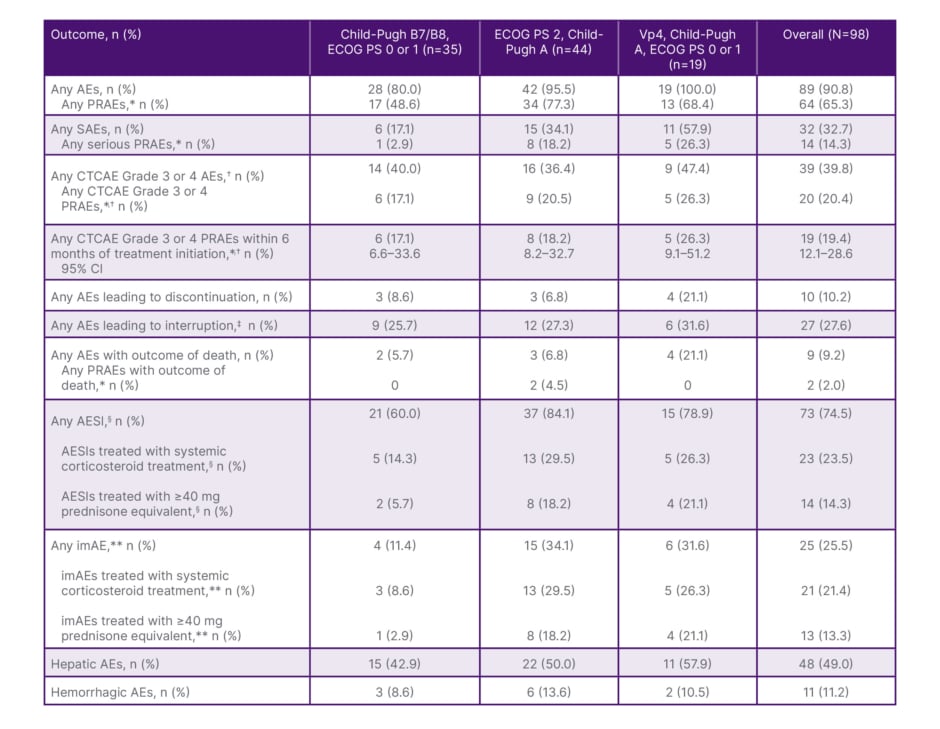
Table 1: Safety outcomes across SIERRA cohorts (interim safety analysis set).19
*As assessed by the investigator. Missing responses are counted as related.
✝Grade 3: severe; Grade 4: life-threatening.
‡AEs on the AE case report form with action taken = drug interrupted.
§Includes AESIs and AEs of possible interest. AESIs for tremelimumab-actl and durvalumab include, but are not limited to, events with a potential inflammatory or immune-mediated mechanism and which may require more frequent monitoring and/or interventions such as steroids, immunosuppressants, and/or hormone replacement therapy.
**Immune-mediated AEs are identified from AESIs and AEs of possible interest using a programmatic approach.
AE: adverse event; AESI: adverse event of special interest; CTCAE: Common Terminology Criteria for Adverse Events; ECOG PS: Eastern Cooperative Oncology Group Performance Status; imAE: immune-mediated adverse event; PRAE: possibly related adverse event; SAE: serious adverse event; Vp4: main portal vein invasion.
Please see Important Safety Information at the end of this article and full Prescribing Information, including Medication Guide, for IMFINZI and IMJUDO.
MULTIDISCIPLINARY CARE FOR HIGH-RISK PATIENTS
Dayyani highlighted the importance of multidisciplinary care for patients with uHCC, which is recommended by the NCCN, ASCO, and ESMO guidelines.13-15 The multidisciplinary care team should include oncologists, hepatologists, and pathologists with uHCC expertise.13-15
“Patients with advanced HCC require a dedicated hepatologist to help optimize their underlying liver function and manage possible deterioration,” Dayyani said. He acknowledged, however, that clinics in community settings may not have dedicated tumor boards or all services available, and advocated for patient referral to experienced centers with multidisciplinary teams and the necessary infrastructure.
FUTURE WORK
Dayyani stated that the co-primary efficacy endpoint (i.e., ORR per RECIST v 1.1) was immature at the time of this analysis and will be reported at the primary analysis.19 “We are eagerly awaiting additional data,” he stated. Dayyani added that a longer follow-up of the SIERRA cohort will be needed to characterize additional endpoints, including progression-free survival, overall survival, duration of response, and liver function over time in each cohort.
CONCLUSIONS
The interim safety analysis from SIERRA provides the first prospective safety data with the tremelimumab-actl plus durvalumab regimen in patients with uHCC who have poor prognosis features (Child-Pugh B7/B8 liver function, ECOG PS 2, or main trunk portal vein thrombosis [Vp4]).19 Across the overall study population, Grade 3/4 PRAEs within 6 months occurred in 19.4% of patients.19 ImAEs occurred in 25.5% of SIERRA patients overall, with imAEs requiring high-dose glucocorticoids in 13.3%.19 The safety profile of tremelimumab-actl plus durvalumab in this interim safety analysis of SIERRA was generally consistent with that in the HIMALAYA tremelimumab-actl plus durvalumab arm.8,19
Indication:
IMFINZI in combination with IMJUDO is indicated for the treatment of adult patients with unresectable hepatocellular carcinoma (uHCC).
IMPORTANT SAFETY INFORMATION
There are no contraindications for IMFINZI® (durvalumab) or IMJUDO® (tremelimumab-actl).
Severe and Fatal Immune-Mediated Adverse Reactions
Important immune-mediated adverse reactions listed under Warnings and Precautions may not include all possible severe and fatal immune-mediated reactions. Immune-mediated adverse reactions, which may be severe or fatal, can occur in any organ system or tissue. Immune-mediated adverse reactions can occur at any time after starting treatment or after discontinuation. Monitor patients closely for symptoms and signs that may be clinical manifestations of underlying immune-mediated adverse reactions. Evaluate clinical chemistries including liver enzymes, creatinine, adrenocorticotropic hormone (ACTH) level, and thyroid function at baseline and before each dose. In cases of suspected immune-mediated adverse reactions, initiate appropriate workup to exclude alternative etiologies, including infection. Institute medical management promptly, including specialty consultation as appropriate. Withhold or permanently discontinue IMFINZI and IMJUDO depending on severity. See USPI Dosing and Administration for specific details. In general, if combination of IMFINZI and IMJUDO requires interruption or discontinuation, administer systemic corticosteroid therapy (1 mg to 2 mg/kg/day prednisone or equivalent) until improvement to Grade 1 or less. Upon improvement to Grade 1 or less, initiate corticosteroid taper and continue to taper over at least 1 month. Consider administration of other systemic immunosuppressants in patients whose immune-mediated adverse reactions are not controlled with corticosteroid therapy.
Immune-Mediated Pneumonitis
IMFINZI in combination with IMJUDO can cause immune-mediated pneumonitis, which may be fatal. Immune-mediated pneumonitis occurred in 1.3% (5/388) of patients receiving IMFINZI and IMJUDO, including fatal (0.3%) and Grade 3 (0.2%) adverse reactions.
Immune-Mediated Colitis
IMFINZI in combination with IMJUDO can cause immune-mediated colitis that is frequently associated with diarrhea. Cytomegalovirus (CMV) infection/reactivation has been reported in patients with corticosteroid-refractory immune-mediated colitis. In cases of corticosteroid-refractory colitis, consider repeating infectious workup to exclude alternative etiologies. Immune-mediated colitis or diarrhea occurred in 6% (23/388) of patients receiving IMFINZI and IMJUDO, including Grade 3 (3.6%) adverse reactions. Intestinal perforation has been observed in other studies of IMFINZI and IMJUDO.
Immune-Mediated Hepatitis
IMFINZI in combination with IMJUDO can cause immune-mediated hepatitis, which may be fatal. Immune-mediated hepatitis occurred in 7.5% (29/388) of patients receiving IMFINZI and IMJUDO, including fatal (0.8%), Grade 4 (0.3%) and Grade 3 (4.1%) adverse reactions.
Immune-Mediated Endocrinopathies
- Adrenal Insufficiency: IMFINZI in combination with IMJUDO can cause primary or secondary adrenal insufficiency. For Grade 2 or higher adrenal insufficiency, initiate symptomatic treatment, including hormone replacement as clinically indicated. Immune-mediated adrenal insufficiency occurred in 1.5% (6/388) of patients receiving IMFINZI and IMJUDO, including Grade 3 (0.3%) adverse reactions.
- Hypophysitis: IMFINZI in combination with IMJUDO can cause immune-mediated hypophysitis. Hypophysitis can present with acute symptoms associated with mass effect such as headache, photophobia, or visual field cuts. Hypophysitis can cause hypopituitarism. Initiate symptomatic treatment including hormone replacement as clinically indicated. Immune-mediated hypophysitis/hypopituitarism occurred in 1% (4/388) of patients receiving IMFINZI and IMJUDO.
- Thyroid Disorders (Thyroiditis, Hyperthyroidism, and Hypothyroidism): IMFINZI in combination with IMJUDO can cause immune-mediated thyroid disorders. Thyroiditis can present with or without endocrinopathy. Hypothyroidism can follow hyperthyroidism. Initiate hormone replacement therapy for hypothyroidism or institute medical management of hyperthyroidism as clinically indicated.
- Immune-mediated thyroiditis occurred in 1.5% (6/388) of patients receiving IMFINZI and IMJUDO.
- Immune-mediated hyperthyroidism occurred in 4.6% (18/388) of patients receiving IMFINZI and IMJUDO, including Grade 3 (0.3%) adverse reactions.
- Immune-mediated hypothyroidism occurred in 11% (42/388) of patients receiving IMFINZI and IMJUDO.
- Type 1 Diabetes Mellitus, which can present with diabetic ketoacidosis: Monitor patients for hyperglycemia or other signs and symptoms of diabetes. Initiate treatment with insulin as clinically indicated. Two patients 0.5% (2/388) had events of hyperglycemia requiring insulin therapy that had not resolved at last follow-up.
Immune-Mediated Nephritis with Renal Dysfunction
IMFINZI in combination with IMJUDO can cause immune-mediated nephritis. Immune-mediated nephritis occurred in 1% (4/388) of patients receiving IMFINZI and IMJUDO, including Grade 3 (0.5%) adverse reactions.
Immune-Mediated Dermatology Reactions
IMFINZI in combination with IMJUDO can cause immune-mediated rash or dermatitis. Exfoliative dermatitis, including Stevens-Johnson Syndrome (SJS), drug rash with eosinophilia and systemic symptoms (DRESS), and toxic epidermal necrolysis (TEN), has occurred with PD-1/L-1 and CTLA-4 blocking antibodies. Topical emollients and/or topical corticosteroids may be adequate to treat mild to moderate non-exfoliative rashes. Immune-mediated rash or dermatitis occurred in 4.9% (19/388) of patients receiving IMFINZI and IMJUDO, including Grade 4 (0.3%) and Grade 3 (1.5%) adverse reactions.
Immune-Mediated Pancreatitis
IMFINZI in combination with IMJUDO can cause immune-mediated pancreatitis. Immune-mediated pancreatitis occurred in 2.3% (9/388) of patients receiving IMFINZI and IMJUDO, including Grade 4 (0.3%) and Grade 3 (1.5%) adverse reactions.
Other Immune-Mediated Adverse Reactions
The following clinically significant, immune-mediated adverse reactions occurred at an incidence of less than 1% each in patients who received IMFINZI in combination with IMJUDO or were reported with the use of other immune checkpoint inhibitors.
- Cardiac/vascular: Myocarditis, pericarditis, vasculitis.
- Nervous system: Meningitis, encephalitis, myelitis and demyelination, myasthenic syndrome/myasthenia gravis (including exacerbation), Guillain-Barré syndrome, nerve paresis, autoimmune neuropathy.
- Ocular: Uveitis, iritis, and other ocular inflammatory toxicities can occur. Some cases can be associated with retinal detachment. Various grades of visual impairment to include blindness can occur. If uveitis occurs in combination with other immune-mediated adverse reactions, consider a Vogt-Koyanagi-Harada-like syndrome, as this may require treatment with systemic steroids to reduce the risk of permanent vision loss.
- Gastrointestinal: Gastritis, duodenitis.
- Musculoskeletal and connective tissue disorders: Myositis/polymyositis, rhabdomyolysis and associated sequelae including renal failure, arthritis, polymyalgia rheumatic.
- Endocrine: Hypoparathyroidism.
- Other (hematologic/immune): Hemolytic anemia, aplastic anemia, hemophagocytic lymphohistiocytosis, systemic inflammatory response syndrome, histiocytic necrotizing lymphadenitis (Kikuchi lymphadenitis), sarcoidosis, immune thrombocytopenia, solid organ transplant rejection, other transplant (including corneal graft) rejection.
Infusion-Related Reactions
IMFINZI and IMJUDO can cause severe or life-threatening infusion-related reactions. Monitor for signs and symptoms of infusion-related reactions. Interrupt, slow the rate of, or permanently discontinue IMFINZI and IMJUDO based on the severity. See USPI Dosing and Administration for specific details. For Grade 1 or 2 infusion-related reactions, consider using pre-medications with subsequent doses. Infusion-related reactions occurred in 2.6% (10/388) of patients receiving IMFINZI and IMJUDO.
Complications of Allogeneic HSCT after IMFINZI
Fatal and other serious complications can occur in patients who receive allogeneic hematopoietic stem cell transplantation (HSCT) before or after being treated with a PD-1/L-1 blocking antibody. Transplant-related complications include hyperacute graft-versus-host disease (GVHD), acute GVHD, chronic GVHD, hepatic veno-occlusive disease (VOD) after reduced intensity conditioning, and steroid-requiring febrile syndrome (without an identified infectious cause). These complications may occur despite intervening therapy between PD-1/L-1 blockade and allogeneic HSCT. Follow patients closely for evidence of transplant-related complications and intervene promptly. Consider the benefit versus risks of treatment with a PD-1/L-1 blocking antibody prior to or after an allogeneic HSCT.
Embryo-Fetal Toxicity
Based on its mechanism of action and data from animal studies, IMFINZI and IMJUDO can cause fetal harm when administered to a pregnant woman. Advise pregnant women of the potential risk to a fetus. In females of reproductive potential, verify pregnancy status prior to initiating IMFINZI and IMJUDO and advise them to use effective contraception during treatment with IMFINZI and IMJUDO and for 3 months after the last dose of IMFINZI and IMJUDO.
Lactation
There is no information regarding the presence of either IMFINZI or IMJUDO in human milk; however, because of the potential for serious adverse reactions in breastfed infants from IMFINZI and IMJUDO, advise women not to breastfeed during treatment and for 3 months after the last dose.
Adverse Reactions
- In patients with unresectable HCC in the HIMALAYA study receiving IMFINZI and IMJUDO (n=388), the most common adverse reactions (occurring in ≥20% of patients) were rash (32%), diarrhea (27%), fatigue (26%), pruritus (23%), musculoskeletal pain (22%), and abdominal pain (20%).
- In patients with unresectable HCC in the HIMALAYA study receiving IMFINZI and IMJUDO (n=388), serious adverse reactions occurred in 41% of patients. Serious adverse reactions in >1% of patients included hemorrhage (6%), diarrhea (4%), sepsis (2.1%), pneumonia (2.1%), rash (1.5%), vomiting (1.3%), acute kidney injury (1.3%), and anemia (1.3%). Fatal adverse reactions occurred in 8% of patients who received IMFINZI and IMJUDO, including death (1%), hemorrhage intracranial (0.5%), cardiac arrest (0.5%), pneumonitis (0.5%), hepatic failure (0.5%), and immune-mediated hepatitis (0.5%). Permanent discontinuation of treatment regimen due to an adverse reaction occurred in 14% of patients.
The safety and effectiveness of IMFINZI and IMJUDO have not been established in pediatric patients.
Please see Full Prescribing Information including Medication Guide for IMFINZI and IMJUDO.
©2026 AstraZeneca. All rights reserved. US-111165 Last Updated 6/26
References
1. Bray F et al. Global cancer statistics 2022: GLOBOCAN estimates of incidence and mortality worldwide for 36 cancers in 185 countries. CA Cancer J Clin. 2024;74(3):229-63.
2. Liu W et al. First-line systemic treatment strategies for unresectable hepatocellular carcinoma: a systematic review and network meta-analysis of randomized clinical trials. Front Oncol. 2021;11:771045.
3. Park JW et al. Global patterns of hepatocellular carcinoma management from diagnosis to death: the BRIDGE Study. Liver Int. 2015;35(9):2155-66.
4. Tandon P, Garcia‐Tsao G. Prognostic indicators in hepatocellular carcinoma: a systematic review of 72 studies. Liver Int. 2009;29(4):502-10.
5. Xie E et al. Immune checkpoint inhibitors for Child-Pugh Class B advanced hepatocellular carcinoma: a systematic review and meta-analysis. JAMA Oncol. 2023;9(10):1423-31.
6. Carr BI et al. Tumor and liver determinants of prognosis in unresectable hepatocellular carcinoma: a large case cohort study. Hepatol Int. 2010;4(1):396-405.
7. Singal AG et al. AASLD Practice Guidance on prevention, diagnosis, and treatment of hepatocellular carcinoma. Hepatology. 2023;78(6):1922-65.
8. Abou-Alfa GK et al. Tremelimumab plus durvalumab in unresectable hepatocellular carcinoma. NEJM Evid. 2022;1(8);EVIDoa2100070.
9. Yau T et al. Nivolumab plus ipilimumab versus lenvatinib or sorafenib as first-line treatment for unresectable hepatocellular carcinoma (CheckMate 9DW): an open-label, randomised, phase 3 trial. Lancet. 2025;405(10492):1851-64.
10. Cheng AL et al. Updated efficacy and safety data from IMbrave150: atezolizumab plus bevacizumab vs. sorafenib for unresectable hepatocellular carcinoma. J Hepatol. 2022;76(4):862-73.
11. Qin S et al. Camrelizumab plus rivoceranib versus sorafenib as first-line therapy for unresectable hepatocellular carcinoma (CARES-310): a randomised, open-label, international phase 3 study. Lancet. 2023;402(10408):1133-46.
12. Aly A et al. Clinical outcomes by Child-Pugh class in patients with advanced hepatocellular carcinoma in a community oncology setting. Hepat Oncol. 2023;10(1):HEP47.
13. Vogel A et al. Hepatocellular carcinoma: ESMO Clinical Practice Guideline for diagnosis, treatment and follow-up. Annal Oncol. 2025;36(5):491-506.
14.* National Comprehensive Cancer Network® (NCCN®). NCCN Clinical Practice Guidelines in Oncology (NCCN Guidelines®): hepatocellular carcinoma. Version 1. 2026. Available at: nccn.org. Last accessed: April 10, 2026.
15.Gordan JD et al. Systemic therapy for advanced hepatocellular carcinoma: ASCO guideline update. J Clin Oncol. 2024;42(15):1830-50.
16.AstraZeneca. Study of durvalumab and tremelimumab as first-line treatment in patients with advanced hepatocellular carcinoma (HIMALAYA). NCT03298451. http://clinicaltrials.gov/show/NCT03298451.
17. IMFINZI®(durvalumab) [Prescribing Information]. Wilmington, DE: AstraZeneca Pharmaceuticals LP. 2025. Available at: https://drd9vrdh9yh09.cloudfront.net/50fd68b9-106b-4550-b5d0-12b045f8b184/9496217c-08b3-432b-ab4f-538d795820bd/9496217c-08b3-432b-ab4f-538d795820bd_viewable_rendition__v.pdf. Last accessed: March 13 2026.
18. Lau G et al. Immune-mediated adverse events and overall survival with tremelimumab plus durvalumab and durvalumab monotherapy in unresectable HCC: HIMALAYA phase III randomized clinical trial. Hepatology. 2026;83(3):484-96.
19. Chan SL et al. Early safety results from the phase 3b SIERRA study of durvalumab and tremelimumab as first-line treatment for participants with unresectable hepatocellular carcinoma and a poor prognosis. Liver Cancer. 2025;DOI:10.1159/000549955.
*Referenced with permission from the NCCN Clinical Practice Guidelines in Oncology (NCCN Guidelines®) for Hepatocellular Carcinoma. Version 1.2026. ©️ National Comprehensive Cancer Network, Inc. 2026. All rights reserved. Accessed April 10, 2026. To view the most recent and complete version of the guideline, go online to NCCN.org. NCCN makes no warranties of any kind whatsoever regarding their content, use or application and disclaims any responsibility for their application or use in any way.