Christoph Benedikt Westphalen | Comprehensive Cancer Centre Munich, Department of Medicine III, University Hospital LMU Munich, Germany
Citation:EMJ Oncol. 2026. https://doi.org/10.33590/emjoncol/B9I44PUB

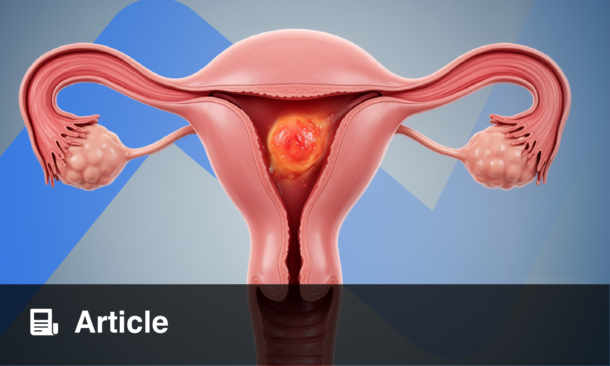
Having worked on pancreatic cancer from both a research and clinical perspective, where do you think we still have the biggest gaps in our understanding of the disease?
Pancreatic cancer is a disease that is well understood in terms of its molecular biology and why it is so deadly, but where we are still lacking is identifying patients that are at higher risk for pancreatic cancer beyond known risk factors such as smoking or a family history of pancreatic cancer. We need to do far better than we do now at detecting pancreatic cancer earlier, before it has spread. This is where our efforts should go in the next decade.
With Pancreatic Cancer Awareness Month coming up, what do you think the public most needs to understand about the disease, particularly when it comes to early diagnosis?
This is a difficult question because, as I outlined, there’s no established screening procedure for individuals in the general public. However, and this is true for other diseases, not just pancreatic cancer, if you experience weight loss, pain (especially in the back), or new onset diabetes, you should see your primary care physician to get a checkup. With the Awareness Month that is coming up, we are showcasing that pancreatic cancer is still one of the deadliest cancers we have.
With the European Society for Medical Oncology (ESMO) Congress approaching, what are you most looking forward to seeing presented in pancreatic cancer, and are there any developments you think could have a meaningful impact on the field?
2026 has been a big year for patients with pancreatic cancer, because, for the first time in 25 years, we’ve made significant progress in treating patients with this condition. This is because we’re seeing the first drugs that target the omnipresent mutation in RAS/KRAS that 95% of patients with pancreatic cancer carry as a therapeutic target. So, there are now drugs that target KRAS and attack pancreatic cancer at its core.
At this year’s ESMO Congress, we’ve seen data presented multiple RAS-inhibitors alone or in combinations. Multiple compounds are in later stage clinical development, and I’m really looking forward to seeing all of these data being presented in the future.
Having led the Molecular Tumour Board in Munich, Germany, what have you learned about the challenges of turning complex genomic results into meaningful treatment options for individual patients?
When we started the Molecular Tumour Board in Munich almost a decade ago, the idea was to use comprehensive genomic profiling to find molecular alterations that could serve as therapeutic targets in patients who had exceeded, or almost exceeded, the standard therapeutic options.
The idea back then was that there should be a variety of targets that are clinically meaningful for our patients, and we might have overestimated the actual number of targets there are. To give a ballpark figure, roughly 40% of patients present with potentially actionable genomic alterations. I’d say half of them, so 20% overall, are therapeutically meaningful.
Even in those patients, because they often have such an advanced disease stage, it is difficult to get them treated, because most of these treatments are experimental. You have to enrol onto a clinical trial or file for coverage with the insurance company, because we’re talking off-label use. It’s very complex. It’s not just having a good department of pathology and doing the tumour testing, it’s actually identifying what is truly clinically meaningful and then being able to treat accordingly, and that remains challenging. We’ve underestimated these challenges quite significantly.
You have helped build the Precision Oncology Program and now lead the Centre for Personalised Medicine at the University of Munich, Germany. What have you learned about what it takes to make personalised cancer treatment work in everyday clinical practice?
Building on what I just said, it is not just about a department of pathology being proficient in doing molecular diagnostics. It’s not just having a couple of medical oncologists or physicians that are interested in experimental molecular treatments. It’s really about building an ecosystem where you choose the right testing and the right point during a patient’s treatment journey to initiate the testing, then enrolling onto a clinical trial to treat experimentally, but also collecting all the data you generate along the way to ask what is working or not. Where do we have to be a little bit more efficient? Where does comprehensive genomic profiling have the biggest impact? And where do we see almost no impact of comprehensive genomic profiling?
This is all with the aim of treating the patient, so the learning from a decade of building a Precision Oncology Program is that it should be patient-centred, interdisciplinary, and always checking itself to see whether it’s still aligned with these goals.
What did your work with the EU Mission Board for Cancer teach you about the biggest challenges facing cancer research and care across Europe?
Working with the EU Mission Board for Cancer to support European research and develop policy has been extremely rewarding as a European.
I would say a challenge is that it has become increasingly complicated to run clinical trials in Europe. We have 27 member states. While regulation is harmonised across the EU, member states still interpret it differently, and this is leading to a lot of bureaucratical hurdles when you want to run multinational clinical trials, which makes them very expensive and hard to conduct. That leads to a decline of the clinical trial landscape in Europe, which is problematic, because it means patients with cancer do not have access to innovative treatments in time. I believe the biggest challenge is making Europe the powerhouse of clinical research. I believe we also need to teach our young colleagues how to be in a clinical trial team.
There are multiple challenges, but luckily the EU is trying to solve a lot of these issues so that we have a viable and thriving clinical trial landscape in Europe.