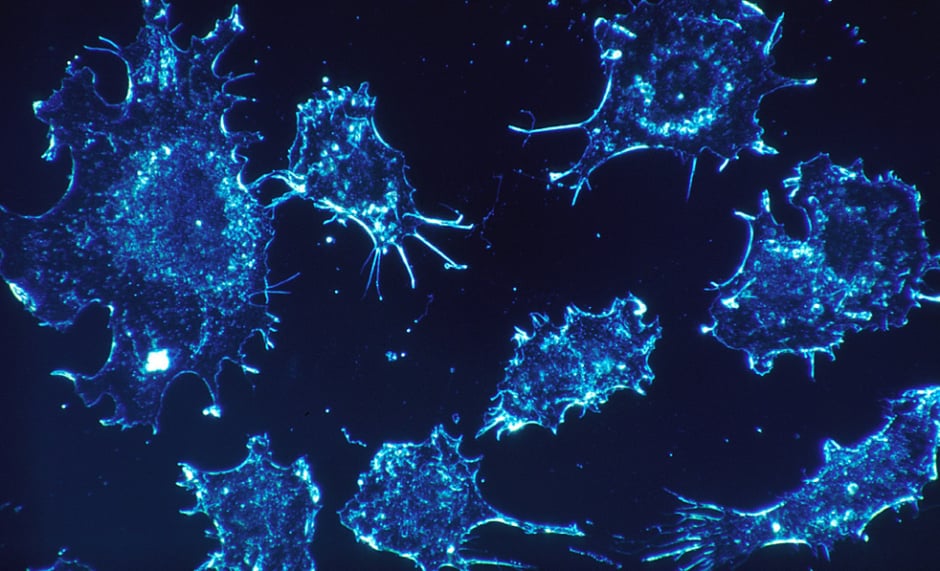
BREAKTHROUGH treatment achieved striking tumour regression in a model for Glioblastoma (GBM), an aggressive type of brain cancer. Researchers used a model that closely replicated how GBM grows and behaves in the human brain to show complete tumour elimination in the majority of cases with no toxicity or recurrence reported.
Novel Brain Cancer Treatment Eliminates Tumours in Preclinical Model
The study used Synthetic Super-Enhances (SSEs) that were designed to harness the GBMs stem cells own gene control system to selectively target tumour cells. Following a single administration, the treatment resulted in tumour elimination in 83% of cases, with no recurrence or toxicity observed over 11 months.
In addition, no tumour formation was detected after re-challenge, suggesting the development of a sustained protective effect. These findings indicated that the therapy may not only eliminate existing tumours but also help prevent their return.
Treatment Combined Tumour Killing and Immune Activation
The research team used a dual mechanism gene therapy strategy where they were able to target tumour cells with both a cytotoxic agent and immune-stimulating factors. This allowed for simultaneous cell destruction and activation of the immune system.
This combined mechanism may function similarly to an in-situ vaccine that educates the immune system to not only detect cancer cells but to generate immunological memory that can prevent cancer recurrence. Researchers noted that by targeting the biological processes that drive tumour growth, the therapy can aim to achieve both immediate and durable effects.
Selective Targeting Confirmed in Patient-Derived Tissue
To support the relevance of their findings, researchers validated the SSEs using fresh tissue samples from GBM patients. They saw that healthy normal brain cells were spared and the mechanism was successfully only expressed in tumour cells.
Researchers underscored the importance of minimising damage to surrounding healthy tissue in GBM cancer therapy, a key step before advancing to patient trials. They are optimistic that this can provide a new approach in tackling tumours, and are expecting to enter early-phase clinical trials to evaluate its safety and efficacy in humans.
Reference
Koeber U et al. Synthetic super-enhancers enable precision viral immunotherapy. Nature. 2026;DOI:10.1038/s41586-026-10329-6.
Featured image: Valeriia on Adobe Stock
- Author: