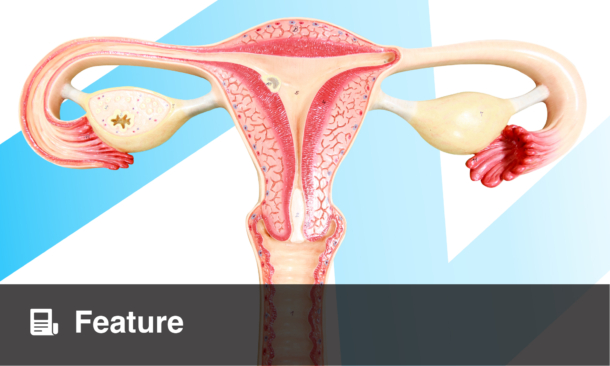
GROUP antenatal care could improve maternal health literacy, confidence, and family planning intentions among pregnant adolescents, according to new research involving 501 young women in Ghana.
The findings suggest that delivering antenatal care through group-based sessions may help address gaps in maternal healthcare among younger populations. However, while participants demonstrated improvements in health-related knowledge and self-efficacy, these benefits did not translate into significantly greater family planning uptake.
Addressing Maternal Health Inequalities Among Adolescents
Adolescent pregnancy remains a significant global public health challenge, particularly in sub-Saharan Africa, where younger mothers may face substantial barriers to accessing maternal healthcare.
These barriers can include limited health literacy, reduced decision-making autonomy, and socioeconomic disadvantages, potentially affecting pregnancy outcomes and access to reproductive healthcare.
Group antenatal care (G-ANC) has emerged as an alternative to conventional individual appointments, offering opportunities for shared learning, peer interaction, and increased engagement with healthcare providers.
Although previous research has suggested benefits associated with group-based antenatal services, evidence specifically examining younger pregnant populations remains limited.
To address this gap, researchers conducted a secondary analysis of data from a five-year cluster-randomised controlled trial involving 14 matched and randomised healthcare facilities in the Eastern Region of Ghana.
The analysis included 501 pregnant adolescents and young women aged 15–24 years, of whom 235 received group antenatal care and 266 received routine individualised antenatal care.
Participants were assessed at five time points, from baseline through 11–14 months postpartum.
Group Care Significantly Improves Health Literacy
The researchers evaluated whether group antenatal care influenced maternal health literacy, self-efficacy, and family planning behaviours.
Health literacy was assessed using longitudinal statistical models, with propensity score weighting applied to account for baseline differences between participants.
Group antenatal care was independently associated with significantly higher maternal health literacy scores compared with individualised care (β=0.40; 95% CI 0.14–0.65; p=0.002).
Health literacy also improved significantly over time, with a particularly pronounced increase at the second assessment compared with baseline (β=1.68; p<0.001).
These findings suggest that group-based antenatal services may provide an effective setting for improving maternal health knowledge among younger pregnant populations.
By combining clinical care with opportunities for shared learning, the approach may help participants better understand pregnancy-related health information and available healthcare services.
Self-Efficacy and Family Planning Intentions Increase
Beyond health literacy, the researchers identified significant improvements in self-efficacy, reflecting participants’ confidence in their ability to manage health-related decisions and behaviours.
Group antenatal care demonstrated a moderate but statistically significant positive association with self-efficacy (β=0.101; p=0.023).
Time was also a strong predictor of improvement (β=0.564; p<0.001).
Importantly, a significant interaction between intervention and time (β=0.198; p=0.006) indicated that self-efficacy improved more substantially among participants receiving group care.
The statistical model explained 52.8% of the variance in self-efficacy.
Researchers also examined whether improvements in knowledge and confidence translated into family planning behaviours.
Participants receiving group antenatal care had significantly higher odds of intending to use family planning services compared with those receiving individualised care (adjusted odds ratio [AOR] 1.43; p=0.045).
However, the intervention group demonstrated lower family planning decision-making ability (β=−0.32; p=0.014).
Furthermore, there was no statistically significant difference in actual family planning uptake between the groups (AOR 1.08; p=0.621).
These findings highlight a potential gap between increased reproductive health intentions and the ability to translate those intentions into action.
Implications for Adolescent-Friendly Maternal Healthcare
The findings suggest that group antenatal care may offer meaningful benefits for pregnant adolescents and young women, particularly in improving health literacy and confidence in managing maternal health.
However, the absence of a significant improvement in family planning uptake indicates that education and empowerment alone may be insufficient to change reproductive health behaviours.
The observed reduction in family planning decision-making ability also warrants further investigation, particularly in relation to the social and interpersonal factors influencing reproductive choices.
Although the analysis drew on a cluster-randomised trial, it was conducted as secondary research, and the findings may not be directly generalisable beyond the study population and healthcare setting.
The research, presented in a 2026 doctoral dissertation, highlights the potential value of adapting group antenatal care to meet the specific needs of younger pregnant populations.
Further research is needed to determine how group-based services can be implemented sustainably and whether additional support could help translate improvements in health literacy and self-efficacy into greater reproductive healthcare uptake.
Reference
Lanyo T. Evaluating the impact of group antenatal care on pregnant adolescent health behaviors [dissertation]. Ann Arbor (MI): University of Michigan; 2026. Available from: https://deepblue.lib.umich.edu/items/4d0c6a3e-b868-4cf7-9b3d-d9c788fa9362
Adobe Stock
- Author: