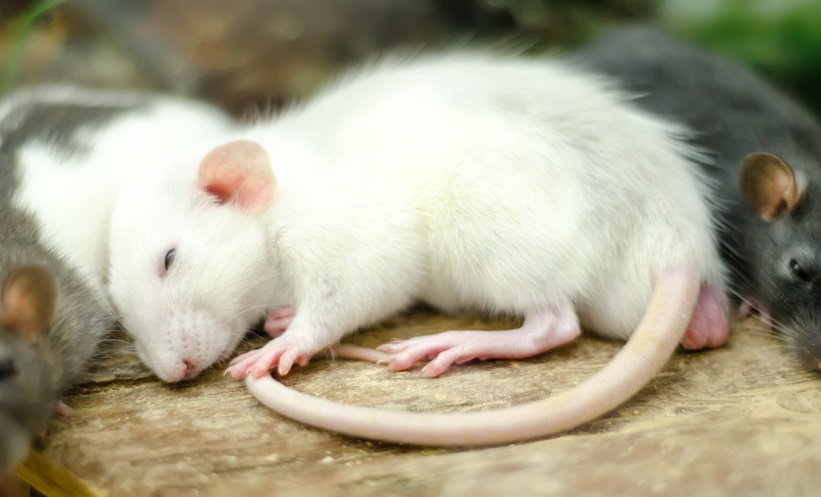
A NEW mouse study suggests that severe sleep deprivation during early pregnancy could have lasting effects on daughters’ fertility by depleting their ovarian germ cell reserve through ferroptosis, an iron-dependent form of cell death.
Researchers subjected pregnant mice to 18 hours of sleep deprivation daily from embryonic day 6.5 to 13.5, a critical window for fetal germ cell development. Sleep-deprived dams gained less weight and had altered hormone profiles (lower oestrogen, progesterone and LH, higher FSH). In female offspring, germ cell numbers were similar to controls at E16.5 but fell sharply by late gestation and early postnatal stages (E18.5, PD0, PD3), accompanied by reduced expression of the germ cell marker MVH.
Ferroptosis Emerges as a Key Driver of Early Ovarian Damage
Microscopy and molecular analyses showed disrupted meiotic progression, fewer primordial follicles and lower levels of key follicle-formation regulators LHX8 and SOHLH1. RNA sequencing of neonatal ovaries highlighted enrichment of genes involved in “response to iron ion,” and biochemical assays confirmed hallmarks of ferroptosis: elevated Fe²⁺ and malondialdehyde, mitochondrial damage, increased ROS, reduced GPX4 and altered expression of other ferroptosis-related proteins.
Blocking Ferroptosis Preserves Follicles and Oocyte Quality
When the ferroptosis inhibitor ferrostatin-1 was applied to neonatal ovaries in culture—or given intraperitoneally to pregnant, sleep-deprived mice—germ cell numbers, primordial follicle counts and follicle markers substantially recovered. By postnatal day 21, treated offspring had more follicles and better oocyte maturation rates than untreated sleep-deprived counterparts, although not fully normal.
The authors caution that these findings are from mice, but argue that maternal sleep quality may be an under-recognised determinant of daughters’ ovarian reserve and future risk of premature ovarian insufficiency. They propose ferroptosis as a mechanistic link between maternal sleep disruption and impaired female reproductive lifespan.
Reference
Liu Q et al. Maternal sleep deprivation during pregnancy induced offspring germ cells loss through ferroptosis. Cell Death Discov. 2025;11:544.