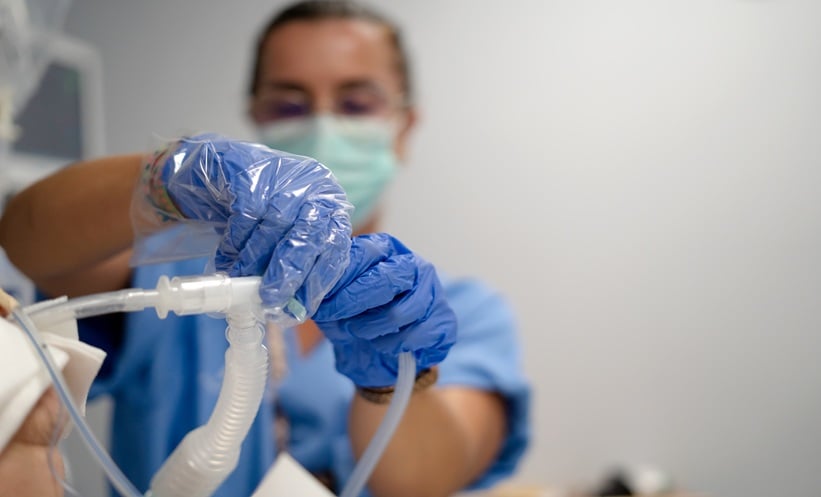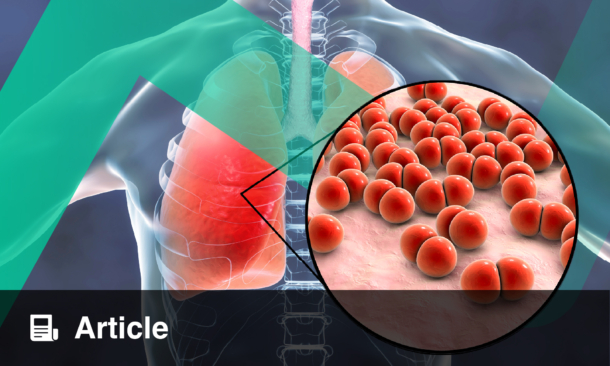
Prone positioning did not significantly reduce the need for escalated respiratory support in infants with moderate to severe bronchiolitis receiving high-flow nasal cannula (HFNC) therapy, according to findings from the PROPOSITIS randomized clinical trial.
Although prone positioning has been shown to improve oxygenation and respiratory mechanics in other respiratory conditions, its effectiveness in infants with acute viral bronchiolitis has remained uncertain.
Evaluating a Common Supportive Strategy
Researchers conducted a multicentre, open-label randomized trial across 15 paediatric intermediate and intensive care units in France. The study enrolled infants aged 6 months or younger who had been admitted with moderate to severe bronchiolitis requiring HFNC support.
A total of 451 infants were randomized to either prone positioning or standard supine positioning. Infants assigned to the intervention group were placed in the prone position for at least 24 hours during the first 48 hours of treatment, while all participants received standardized HFNC therapy at 2 L/kg/min.
The primary outcome was the need to escalate respiratory support to non-invasive or invasive ventilation within 72 hours.
No Significant Reduction in Escalation of Care
Among the 446 infants included in the primary analysis, escalation of care occurred in 17.9% overall.
Although fewer infants in the prone positioning group required escalation compared with those managed in the supine position (15.0% versus 20.8%), the difference did not reach statistical significance. The adjusted odds ratio was 0.66 (95% CI 0.40–1.07; P=0.09).
Researchers noted that the confidence interval remained wide, meaning the study could not definitively exclude a clinically meaningful benefit.
Secondary Outcomes Similar Between Groups
No significant differences were observed between the two groups for any secondary outcomes, including treatment failure, duration of respiratory support, length of hospital stay, infant comfort, or tolerance of the intervention.
The findings suggest that routine prone positioning does not provide measurable improvements in short-term clinical outcomes for infants receiving HFNC therapy for bronchiolitis.
Safety Profile Remained Reassuring
Serious adverse events were uncommon in both treatment groups. Two infants (1.1%) in the prone positioning group and two infants (0.8%) in the supine group experienced serious adverse events, indicating that prone positioning was generally well tolerated under closely monitored hospital conditions.
Further Research Needed
The investigators concluded that prone positioning did not significantly reduce the need for respiratory support escalation in infants with moderate to severe bronchiolitis. However, they cautioned that the study was not definitive, as the confidence intervals did not rule out a potential clinical benefit.
The authors suggest that additional studies may help clarify whether specific patient subgroups could benefit from prone positioning or whether alternative respiratory support strategies should be explored for infants with severe bronchiolitis.
Reference
Baudin F et al. Prone Positioning in Infants With Acute Bronchiolitis: The PROPOSITIS Randomized Clinical Trial. JAMA. 2026; DOI:10.1001/jama.2026.11078
- Author: