ACUTE respiratory distress syndrome subtypes can now be rapidly identified at the bedside, with new prospective data confirming that distinct inflammatory profiles are linked to significantly different survival outcomes.
Acute respiratory distress syndrome is a severe and often fatal condition in intensive care, with no effective pharmacological treatments currently available. Efforts to improve outcomes have increasingly focused on understanding its biological heterogeneity and identifying patient subgroups that may respond differently to therapy.
Acute Respiratory Distress Syndrome Subtypes Identified Rapidly
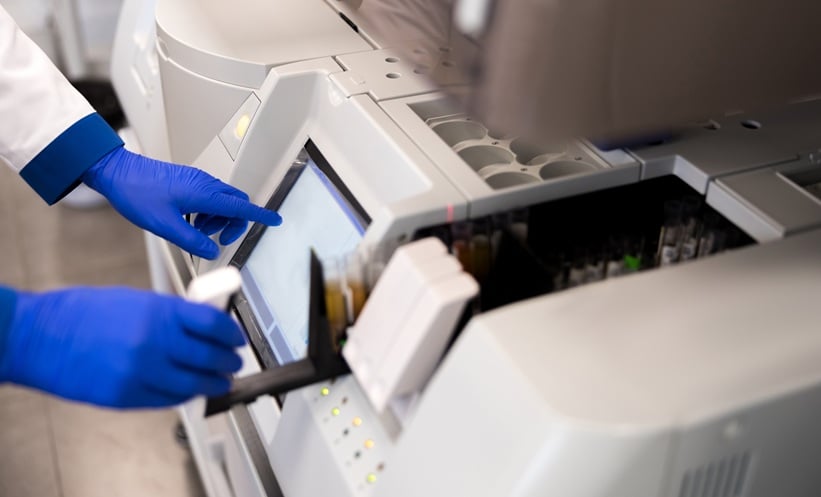
In this large multicentre study, researchers prospectively enrolled patients with acute respiratory distress syndrome or acute hypoxaemic respiratory failure in intensive care units. Using a near-patient immunoassay, they measured key inflammatory biomarkers, including IL-6 and TNF receptor-1, alongside blood bicarbonate levels.
These measurements enabled classification into two acute respiratory distress syndrome subtypes, hyperinflammatory and hypoinflammatory, within approximately one hour, demonstrating feasibility for real-time clinical use.
Higher Mortality in Hyperinflammatory Subtype
Among patients successfully subphenotyped, 18% were classified as hyperinflammatory. This group experienced markedly worse outcomes, with a 60-day mortality rate of 51%, compared with 28% in the hypoinflammatory group.
Even after adjustment for confounding factors, the hyperinflammatory subtype remained strongly associated with increased mortality risk, reinforcing the clinical significance of these biological differences.
From Retrospective Evidence to Real-Time Practice
Previous research had consistently identified acute respiratory distress syndrome subtypes and linked them to prognosis and treatment response. However, these findings were based on retrospective analyses, limiting their immediate clinical applicability.
This study provides the first prospective evidence that subphenotypes can be reliably identified in real time at the bedside. The use of a near-patient testing platform across multiple centres also demonstrates the practicality of implementing this approach in routine care.
Toward Precision Medicine in Acute Respiratory Distress Syndrome
The findings support a shift toward precision medicine in managing acute respiratory distress syndrome subtypes. Real-time identification opens the door to more targeted treatment strategies and improved patient stratification in clinical trials.
Taken together with previous evidence, the results confirm that inflammatory subphenotypes are clinically meaningful and actionable. They also provide a foundation for future trials designed to test therapies tailored to specific biological profiles, moving beyond the traditional one-size-fits-all approach in critical care.
Further research will be essential to translate these insights into effective, subtype-specific treatments that can improve survival in this high-risk population.
Reference
Reddy K et al; PHIND Investigators. Bedside identification of subphenotypes in acute respiratory failure (PHIND): a multicentre, observational cohort study. Lancet Respir Med. 2026; DOI:10.1016/S2213-2600(26)00040-8.
Featured image: Yakobchuk Olena on Adobe Stock